




Gothic Style Dining Chairs
Gothic style dining chairs bring architectural drama and centuries of craftsmanship to the table, offering robust seating shaped by pointed arches and rich carving.
Gothic Style Dining Chairs
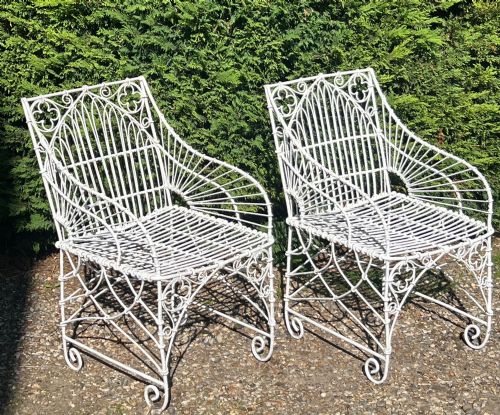
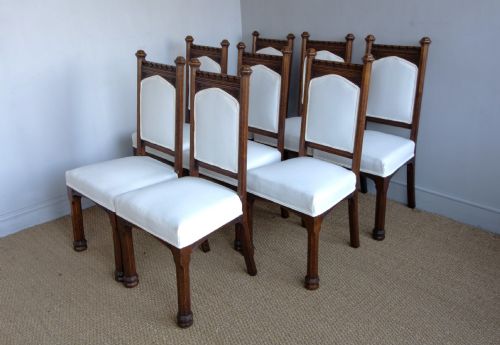
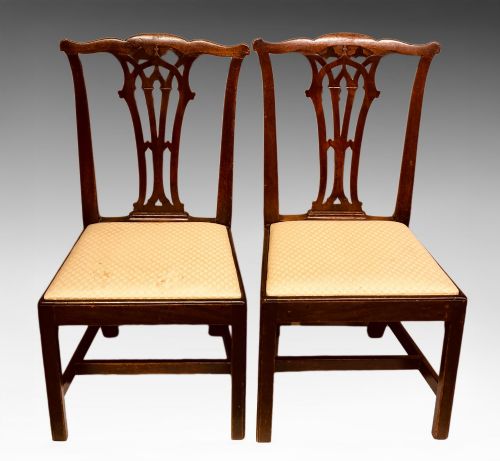
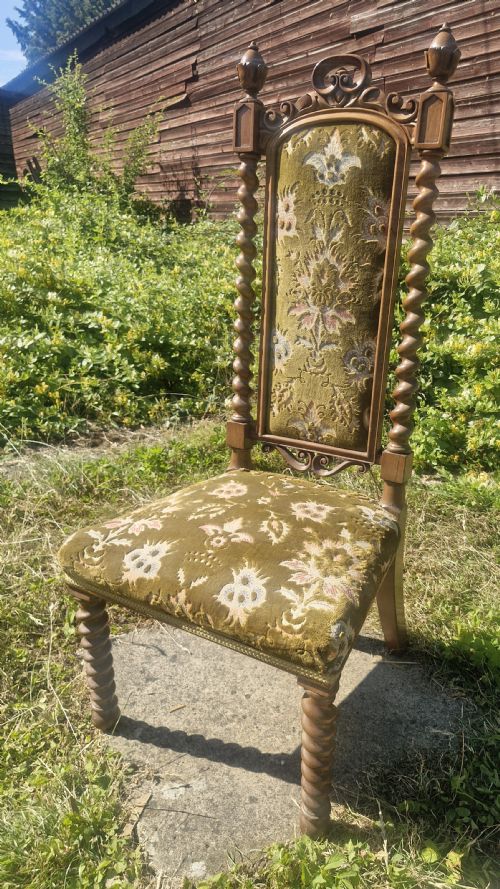
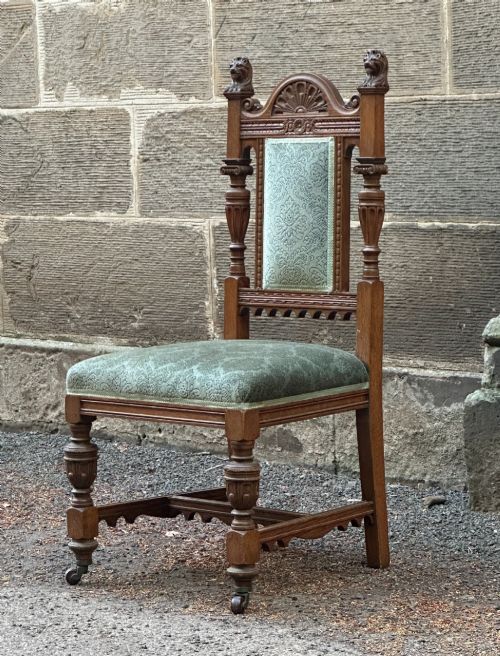
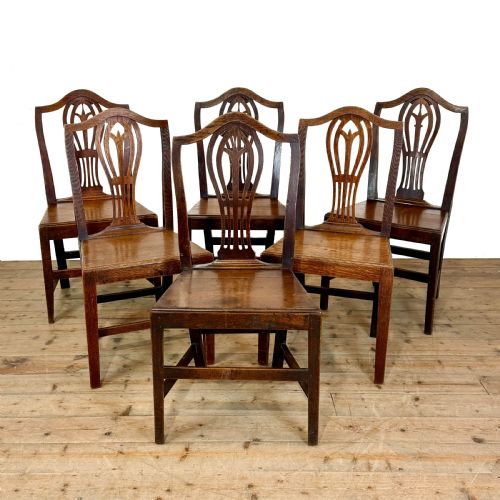
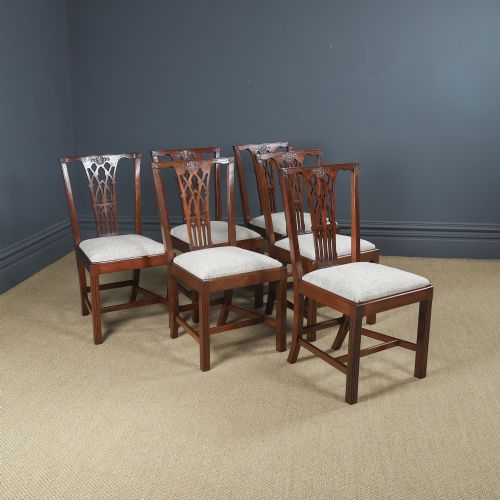
When you search for gothic style dining chairs, you encounter seating heavily influenced by medieval architecture, featuring distinctive pointed arches and geometric tracery. These pieces draw from the 18th century onwards, with the Victorian era producing the most substantial examples in oak and mahogany.
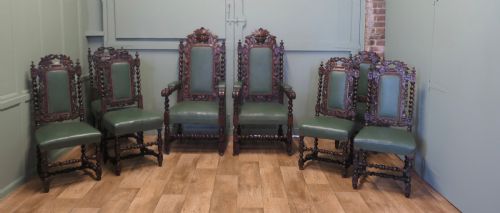
The selections span larger sets intended for formal dining rooms alongside smaller pairings of side chairs and hall chairs. Many forms incorporate high backs with pierced splats or panelled construction, echoing ecclesiastical woodwork and secular revival movements.
Makers adapted these medieval motifs across various decades, resulting in dining chairs that pair pointed arch panels with turned legs or heavy cross-frames. Oak and pitch pine dominate the vernacular and revival pieces, while mahogany frequently appears in more refined interpretations.
Materials and Construction Methods
The physical build relies heavily on solid oak, mahogany, and rosewood, joined through traditional mortise and tenon construction to withstand daily use. Carvers worked directly into the dense timbers, executing deep relief panels, blind fretwork, and crocketed finials by hand.
Upholstery materials such as leather, velvet, and woven fabrics are secured with brass tacking or traditional webbing to support the high backrests. Secondary timbers like pitch pine appear in regional pieces, whilst ebonised finishes occasionally alter the natural grain appearance.
Listings feature oak, mahogany, rosewood, and pitch pine across pieces spanning the eighteenth to early twentieth centuries.
Distinctions in Quality
The level of craftsmanship reveals itself in the crispness of the hand carving and the integrity of the joinery within the frame. Superior examples display deeply undercut tracery and well-balanced proportions that maintain structural stability across large sets.
Greater execution is evident when timber selection shows careful matching of grain across the backs and seat rails. Lesser pieces often rely on shallow machine stamping or lack the rigorous bracing required for heavy dining use.
Bruce Talbert·Goodall, Lamb & Heighway·Gillows
The Gothic Style Dining Chairs Glossary
- Tracery
- Openwork pattern in stone or wood, commonly derived from Gothic church windows. This decorative element fills the upper sections of chair backs.
- Crocket
- A hook-shaped decoration placed along the sloping sides of spires or gables. In chair design, it adorns the uprights and terminals of high backs.
- Splat
- The central vertical strip of wood in the back of a chair. Gothic examples frequently shape this element into pointed arches or quatrefoil openings.
- Carolean Style
- British furniture style of the mid to late 17th century, known for rich carving and turned legs. Revival versions incorporate these flourishes into Victorian seating.
- Cross-Frame
- An X-shaped support structure beneath the seat or connecting the legs. This form provides substantial rigidity to heavy dining and armchairs.
Gothic Style Dining Chairs: Frequently Asked Questions
What periods do these chairs come from?
The available selection spans from the eighteenth century through the Victorian revival periods up to the early twentieth century. Most examples date from the nineteenth century when Gothic design enjoyed a widespread resurgence in domestic interiors.
Craftsmen during these later eras intentionally echoed earlier medieval forms, producing robust seating in oak and mahogany that complements both traditional and modern dining spaces.
How do I care for antique leather upholstery?
Antique leather requires gentle cleaning using specialised saddle soap or mild conditioners to prevent the material from drying and cracking over time. Avoid placing these chairs in direct sunlight or near heat sources.
Regular dusting with a soft, dry cloth preserves the surface patina, while professional conservation ensures structural repairs are handled without disrupting original tacks.
Are these chairs comfortable for daily dining?
High-backed variants offer firm upright support, though the absence of deep cushioning reflects historical seating preferences. Many incorporate upholstered seats in leather or fabric to provide adequate comfort for meals.
Generous seat widths on revival armchairs and side chairs ensure they function well as practical dining furniture rather than purely decorative objects.
How do I distinguish Gothic revival from Jacobean style?
Gothic revival pieces feature architectural motifs like pointed arches, quatrefoils, and ecclesiastical tracery derived from medieval stone structures. Jacobean style leans towards geometric paneling, heavily turned legs, and strapwork ornamentation.
Many nineteenth-century pieces blend both aesthetics, pairing structural oak frames with pointed arch backrests and traditional seventeenth-century turnings.