



Gothic Style Carved Table
A gothic style carved table brings architectural weight and deep ornamentation into a room, offering substantial timber work rooted in historical revival design.
Gothic Style Carved Table
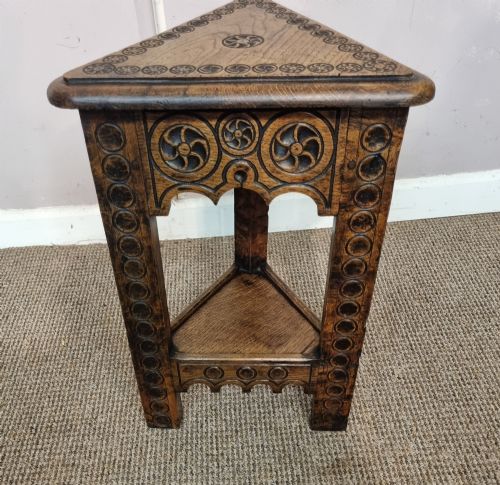
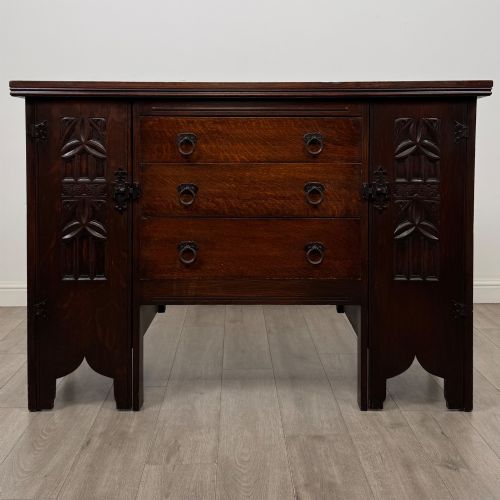
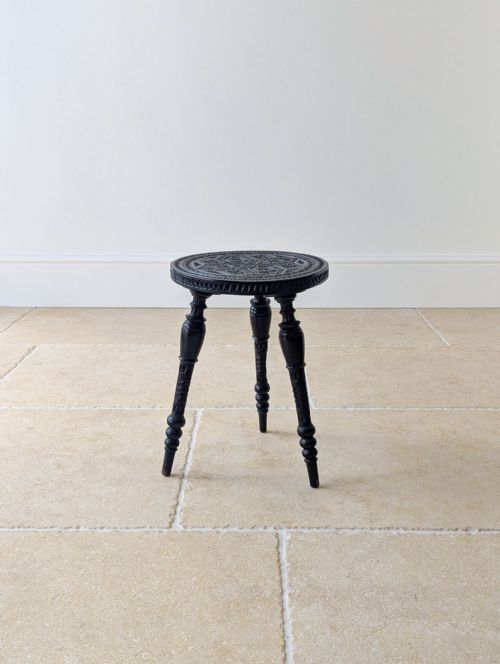
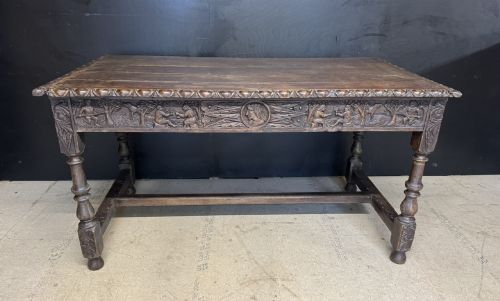
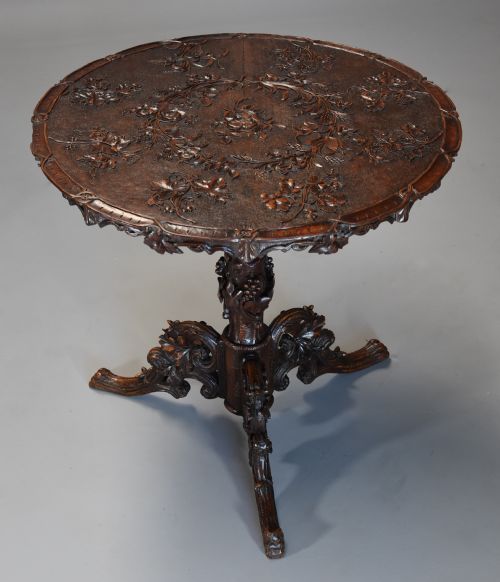
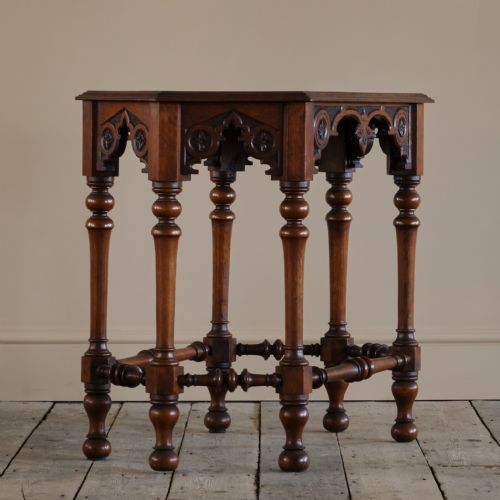
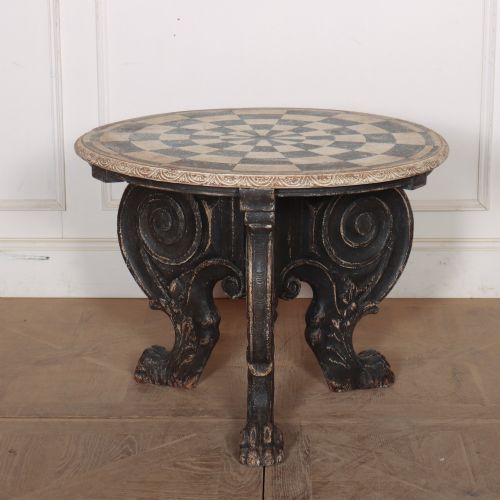
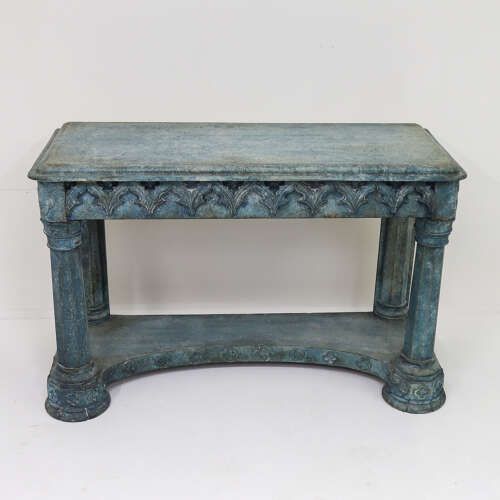
A gothic style carved table encompasses a variety of domestic forms ranging from side tables and occasional pieces to large refectory and dining tables. Buyers searching this phrase most commonly encounter pieces fashioned from sturdy timber, reflecting revival movements spanning the nineteenth and early twentieth centuries.
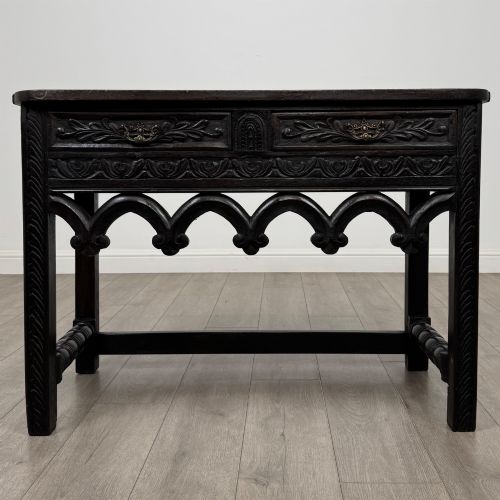
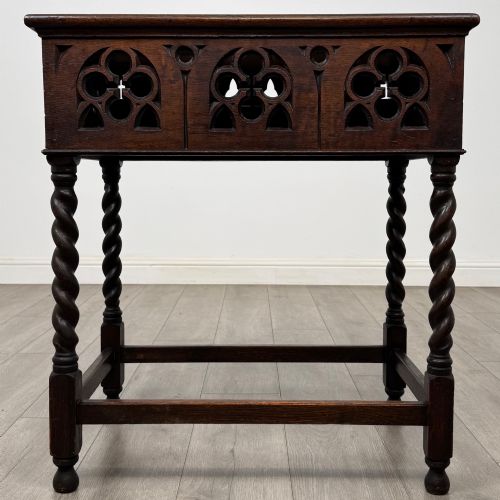
The material record shows a strong presence of oak alongside pine, mahogany, and ebonised hardwoods, often linked to Victorian, Jacobean, and Arts and Crafts design idioms. These tables frequently incorporate architectural elements such as tracery, pointed arches, and heavy turned supports derived from medieval precedents.
Materials and Technique
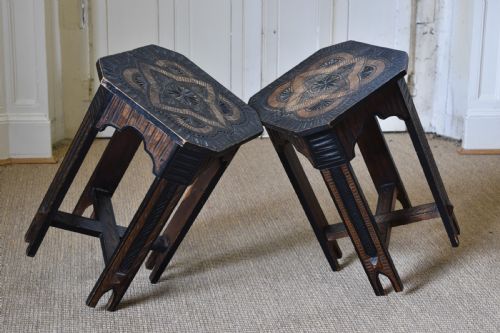
Construction relies heavily on solid oak and pine, frequently shaped through hand-working techniques including chip carving and deep relief work. Artisans utilised traditional joinery methods to build robust frames capable of supporting elaborate surface decoration and heavy timber tops.
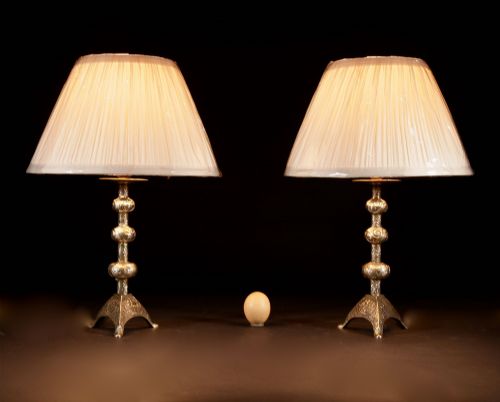
Surface treatments vary from natural waxed finishes highlighting the grain to ebonising, blackening, and painting. Metal components such as brass and iron appear occasionally on associated lamps and structural fittings to complement the dark wood tones.
Listings feature oak as the predominant timber, accompanied by pine, mahogany, and ebonised hardwood across various revival periods.
Evaluating Craftsmanship
Quality in a gothic style carved table rests upon the depth, crispness, and artistic ambition of the woodwork. Profuse, highly detailed hand-carving distinguishes superior examples from simpler, mechanically produced items.
The selection of timber and the integrity of the joinery dictate the longevity and presence of the piece. Superior specimens demonstrate thoughtful proportion, heavy stock timbers, and harmonious integration of revival motifs.
AW Pugin·Charles Bevan·Sir Robert Lorimer
The Gothic Style Carved Table Glossary
- Gothic Revival
- An architectural and decorative movement reviving medieval Gothic forms. It heavily influences the pointed arches and tracery found on these tables.
- Refectory Table
- A long, narrow dining table traditionally used in monastic refectories. Surviving examples in this category are typically built from heavy oak.
- Chip Carving
- A style of carving where small chips are removed from a flat surface with knives or chisels. This technique creates geometric patterns on side tables.
- Tracery
- Architectural stone ornamentation adapted for woodwork. It appears as ornamental intersecting ribwork in panels and friezes.
- Credence Table
- A small side table used historically for holding church elements before consecration. Domestic revivals appropriate this form for secular halls.
Gothic Style Carved Table: Frequently Asked Questions
How were these tables used originally?
Depending on their form, these tables functioned as dining surfaces in large halls, writing desks in studies, or small side tables in parlours. Refectory and trestle variants accommodated communal dining, while smaller occasional tables held lamps and decorative objects.
In ecclesiastical or domestic revival settings, specific forms like altar tables and credence tables echoed medieval furnishings used for display and ritual preparation.
How do I live with a gothic table?
Living with a heavy timber table involves balancing its dark presence and imposing architectural carving with lighter surrounding decor. Placing the piece in a hallway, dining room, or living space allows the carved details and rich wood grain to act as a focal point.
Maintenance requires regular waxing to nourish the timber and protection from excessive heat and moisture to preserve the antique finish.
How do I tell periods apart?
Distinguishing periods relies on identifying the specific revival movement and manufacturing techniques evident in the timber. Mid-nineteenth-century pieces often display strict Gothic Revival adherence inspired by architects like Pugin, featuring precise hand-carved tracery and heavy proportions.
Later Victorian and Edwardian examples may blend Gothic elements with Jacobean or Arts and Crafts styles, showing softer patination and varied joinery methods.