


Gothic Style Bench
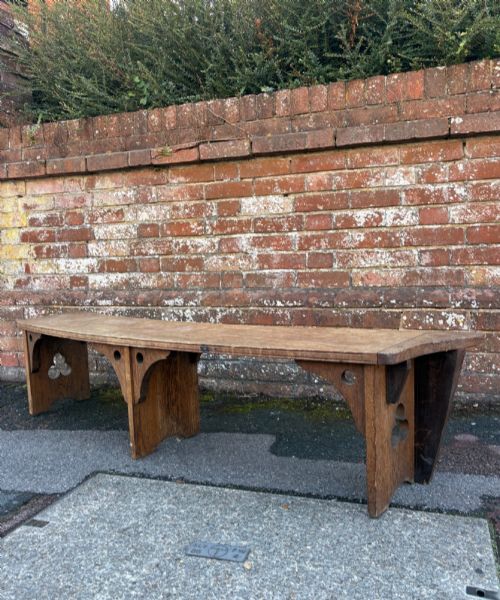
These gothic style bench examples bring medieval architectural mass into interiors and gardens through pointed arches, trefoils, and heavy timber.
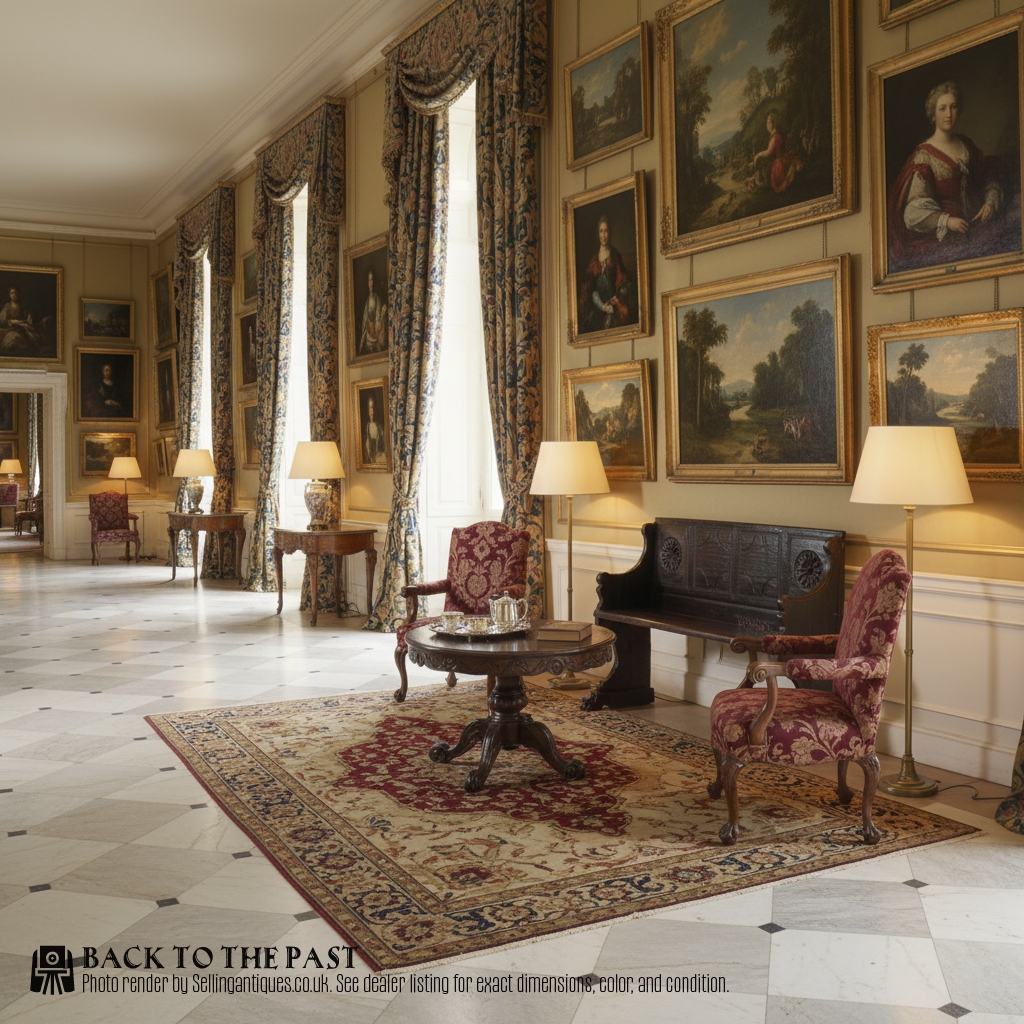
Gothic Style Bench
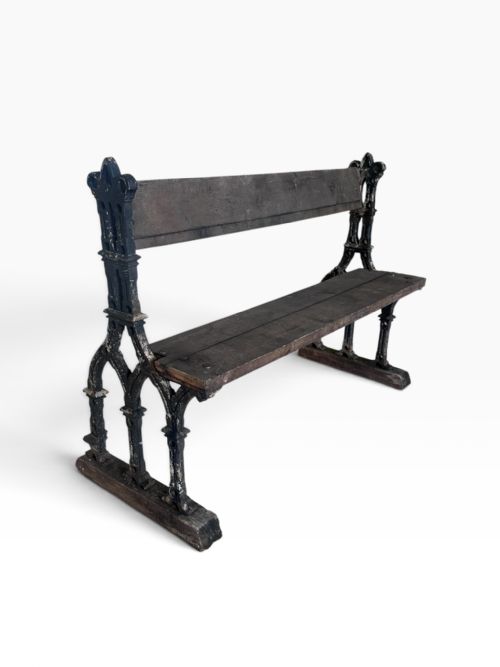
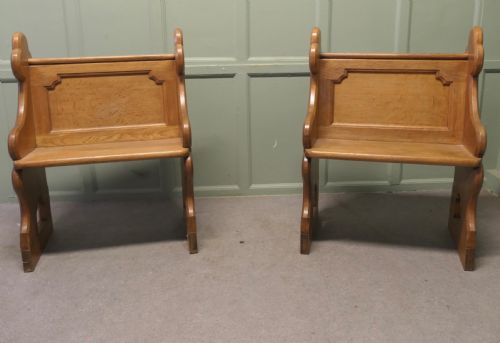
A gothic style bench draws upon medieval architecture and ecclesiastical furnishings, translating stone motifs into timber and iron seating. These pieces range from substantial oak hall seats and monks benches with carved panels to cast iron garden seats and window seats produced across the nineteenth and twentieth centuries.
Buyers meeting these pieces on this page are most likely to encounter late nineteenth-century oak examples showing Arts and Crafts or Gothic Revival influences. Forms span from boarded stools on trestle supports to high-backed settles, window seats, and curved garden benches.
The architectural vocabulary relies heavily on pointed arches, trefoil carved supports, strapwork, and solid panel construction. Earlier manifestations reach back to seventeenth-century joined work and mid-eighteenth-century walnut pieces, while later iterations include twentieth-century interpretations.
How they were made
Construction relies heavily on solid oak and walnut, joined using traditional framing techniques, mortise and tenon joints, and heavy pegging. Carved panels frequently feature linenfold, tracery, or geometric tracery executed by hand rather than machine routing on the older examples.
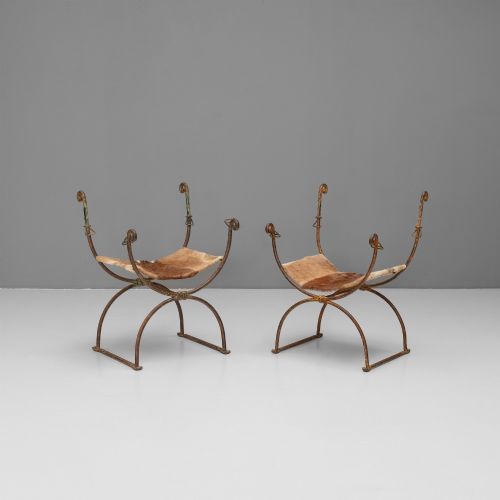
Metal elements utilise cast iron and wrought iron, particularly in garden settings where wirework and strapwork create intricate interlaced patterns. Upholstery, where present, integrates materials such as velvet, cowhide, and woven fabric secured with traditional tacks.
One tiny apprentice piece window seat proves that even miniature woodworkers needed somewhere small to sit and ponder.
What varies in quality
Quality rests upon the integrity of the timber selection, the depth and crispness of the architectural carving, and the structural honesty of the joinery. Dense, figured oak or walnut with well-defined trefoils and linenfold panels displays a higher grade of craftsmanship than plain, mechanically stamped alternatives.
The proportion and scale dictate the visual balance of the piece, with finer examples maintaining correct architectural sightlines and sturdy underframes. Metal garden variations depend upon the weight of the casting and the retention of clean, uncorroded structural lines.
The Gothic Style Bench Glossary
- Trefoil
- A three-lobed ornamental design resembling a clover leaf, frequently pierced through wooden supports or carved in relief on gothic panels.
- Settle
- A wooden bench with a high back, solid arms, and often a storage compartment beneath the seat, designed to keep out draughts in large halls.
- Monks Bench
- A multifunctional piece of furniture featuring a hinged top that converts the backrest into a table surface when tilted forward.
- Linenfold
- A style of wood carving that imitates folded linen, commonly used on fifteenth-century and later revival panels.
- Tracery
- Ornamental stonework or woodwork with branching lines, translated from cathedral windows into the backs and supports of gothic seating.
Gothic Style Bench: Frequently Asked Questions
Where should I place a gothic style bench?
These benches suit hallways, large landings, or living spaces where their architectural presence anchors the room. Placing them against plain walls allows the carved details and timber grain to stand out without visual clutter.
In garden settings, cast iron or wirework versions integrate well among foliage and stone landscaping. Their robust construction handles sheltered outdoor areas effectively when given appropriate seasonal care.
How do I care for antique oak benches?
Maintain the timber by applying traditional beeswax periodically to nourish the wood and preserve the dry, natural sheen. Avoid placing wooden pieces near direct heat sources or radiators, which can cause the panels to split.
Keep upholstery clean using soft brushes where cowhide or fabric is present. For iron garden seats, occasional light cleaning helps prevent surface oxidation from spreading.
How can I tell the period of a gothic bench?
Examine the tool marks, timber shrinkage, and method of joinery used in the construction frame. Hand-cut pegs, uneven board widths, and genuine patina point towards nineteenth-century revival work or earlier joined pieces.
Later twentieth-century interpretations often display more uniform machining, standardised fixings, and machine-cut carvings. Comparing the architectural proportions against known nineteenth-century design patterns also aids dating.