




Gothic Revival Statue
A gothic revival statue brings medieval architectural grandeur and sacred devotion straight into a room through cast bronze and carved timber.
Gothic Revival Statue
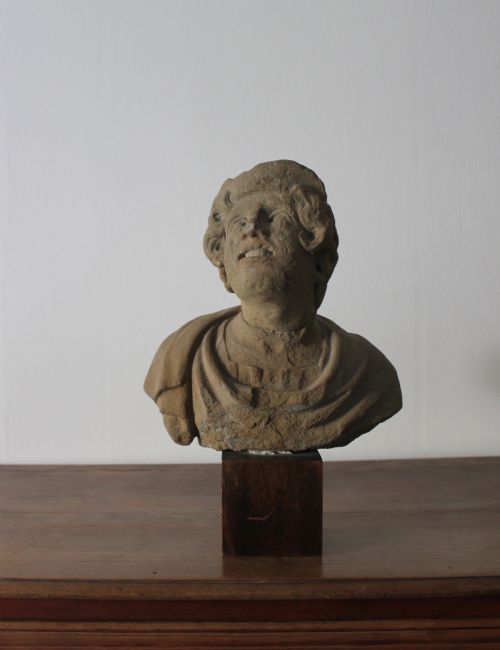
A gothic revival statue encompasses figurative sculptures, architectural salvage, and religious carvings rooted in medieval aesthetic traditions. When exploring a gothic revival statue, buyers encounter nineteenth-century interpretations alongside earlier pre-sixteenth century stone works, reflecting deep historicist interests.
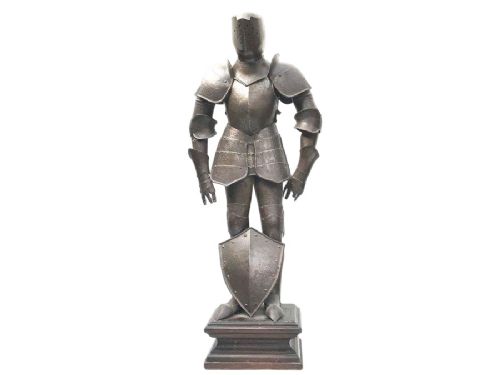
The objects take many forms, from walnut studies of monks and oak figures of saints to bronze knights and limestone pinnacles. A gothic revival statue often serves as a focal point in a study or hallway, bringing architectural authority and solemn character to an interior.
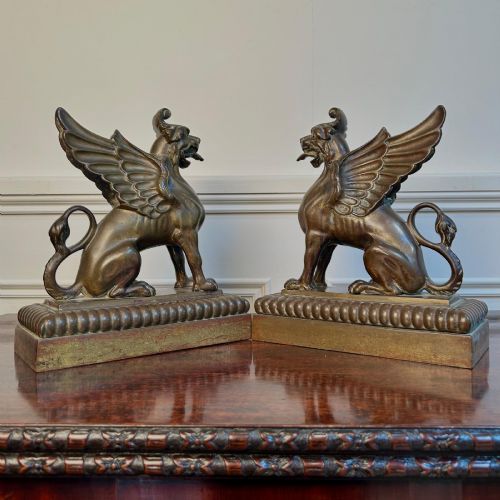
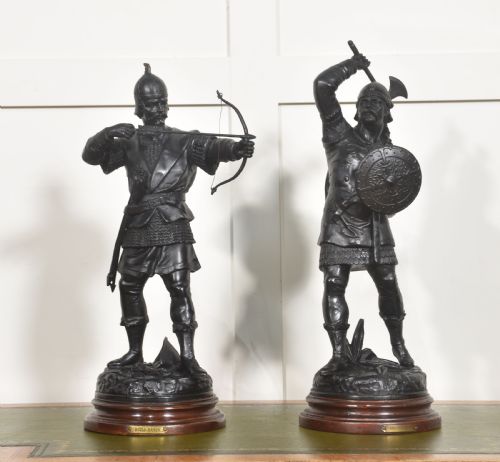
Common subjects include biblical figures such as St Paul and Jesus Christ, alongside warriors, griffins, and medieval women. These pieces bridge domestic decorative arts and ecclesiastical salvage, appealing to collectors drawn to historic Christian iconography and chivalric subjects.
How they were made
Statues in this field utilise traditional materials including bronze, brass, iron, and steel alongside organic mediums like oak, walnut, and sandstone. Wood carvers shaped figures from seasoned timber using chisels and gouges, capturing intricate drapery and facial expressions in saints and monks.
Metalworks relied on casting techniques, particularly for bronze figures of knights, warriors, and griffins. Stonemasons and architectural artisans worked with Yorkshire limestone and sandstone to produce durable pinnacles and carved busts designed for both interior and exterior display.
Materials span cast metals like bronze, iron, and steel alongside organic timbers including oak and walnut, plus Yorkshire limestone.
What varies in quality
The fineness of hand-carving in wood and stone dictates the distinction between standard workshop output and exceptional sculptural work. Anatomical precision in figures and the crispness of architectural detailing reveal the skill of the original maker.
Signatures by notable artists add documentary weight, while the purity of patination on bronzes and the original integrity of timber surfaces elevate the presence of the piece.
Emile Jespers·Louis-François-Frémiet·Rouillard Angers
The Gothic Revival Statue Glossary
- Bronze
- An alloy of copper and tin utilised widely for casting nineteenth-century figures and knights. It takes a rich patination over time.
- Architectural salvage
- Building elements rescued from historic structures, such as limestone pinnacles from minsters. These pieces carry authentic age and weathering.
- Patina
- The surface sheen and colour developed through age and handling on bronze, brass, and wood. It serves as an indicator of genuine period character.
- Historicism
- An artistic movement focusing on the imitation of historical styles, particularly medieval and gothic forms during the Victorian era. It inspired revival statues and decorative objects.
Gothic Revival Statue: Frequently Asked Questions
Where should I place a heavy stone pinnacle?
Limestone pinnacles and heavy stone fragments require sturdy foundational support, such as a low stone plinth or a reinforced garden terrace. Their substantial weight demands careful placement away from high-traffic household areas.
Indoor displays need adequate wall or floor anchoring to ensure stability. Positioning them near natural light allows the carved stonework details to stand out.
How do I care for carved oak figures?
Carved timber figures require stable indoor humidity levels to prevent the oak from splitting or drying out over time. Keep them away from direct heat sources and strong sunlight.
Dust the surface gently with a soft, dry brush rather than using wet cloths or chemical polishes. Natural beeswax applied sparingly helps preserve the historic timber surface.
Are bronze statues suitable for gardens?
Bronze figures of knights or animals generally withstand outdoor environments well, developing a stable protective layer over the metal. Ensure the base is secured firmly against adverse weather conditions.
Harsh coastal air or persistent moisture can accelerate surface changes, so periodic checks help monitor the metal's condition. Many collectors prefer keeping bronze works indoors to preserve fine patination.
How can I tell nineteenth-century work from older pieces?
Nineteenth-century revival pieces often display the industrial casting techniques and academic precision typical of Victorian historicism. Tool marks and material wear provide clues to the actual period of creation.
Pre-sixteenth-century stone and wood carvings show distinct medieval tool methods and weathered patination acquired over centuries of use. Comparing the stylistic proportions helps distinguish revival interpretations from medieval originals.