






Devotional Church Statue
These devotional church statue pieces bring centuries of sacred craft into domestic spaces.
Devotional Church Statue
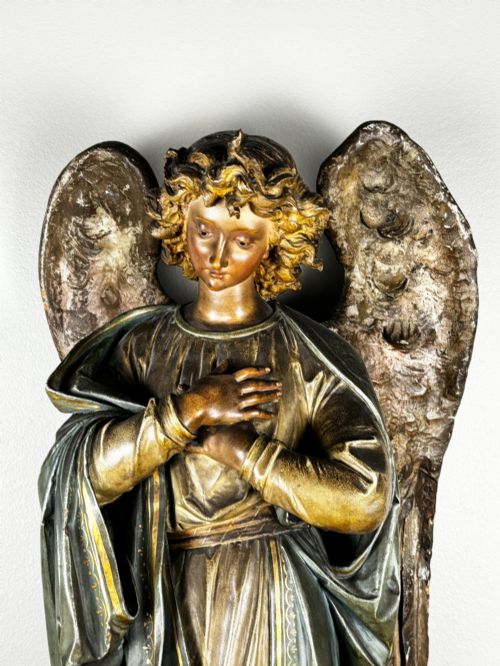
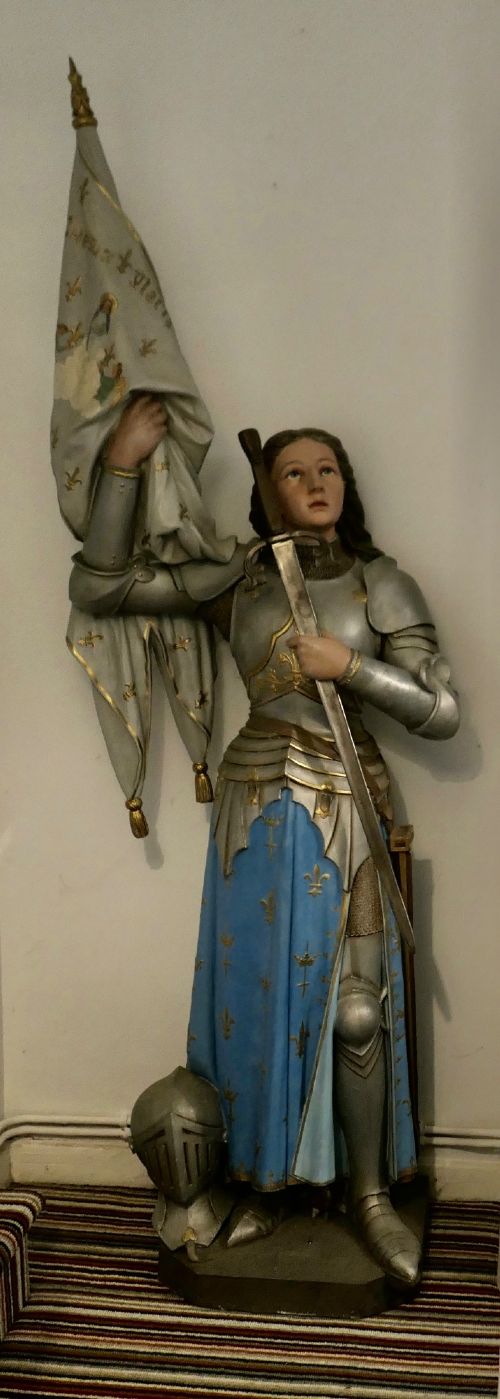
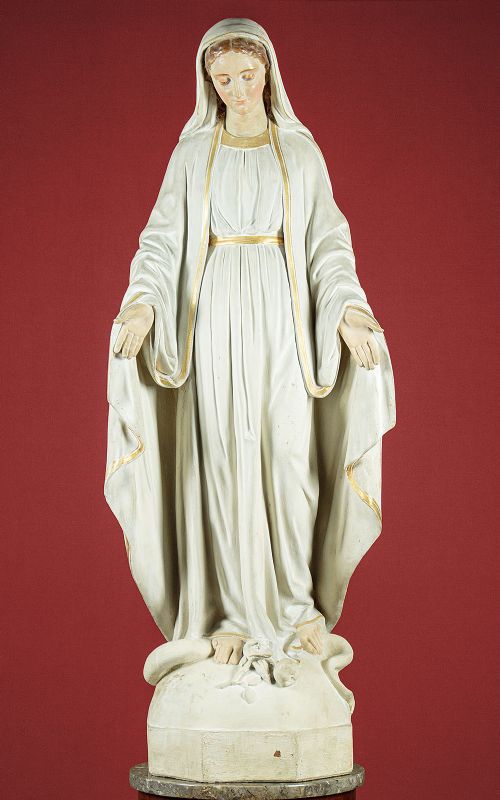
When you search for a devotional church statue, you are looking at sacred figures fashioned for holy spaces and private prayer. The pieces on this page span from pre-sixteenth century works up to the early twentieth century, taking the form of statues, sculptures, and processional figures.
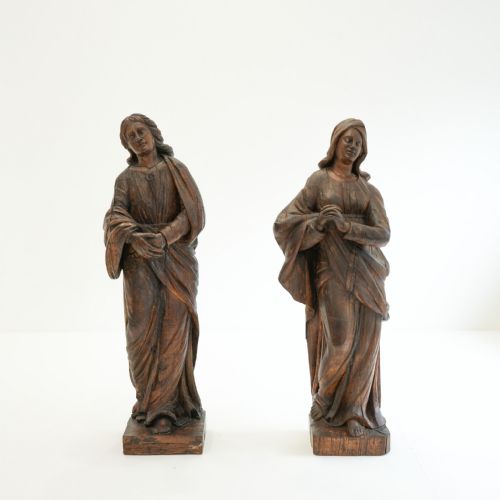
You will encounter regional traditions ranging from French Gothic Revival and Italian Baroque to Spanish Baroque and religious folk art. Forms include individual saints such as Saint Joan of Arc, Saint John the Baptist, Saint Anthony of Padua, and Mary, alongside pairs of carved figures and processional pieces.
How they were made
Makers shaped these sacred figures primarily from carved wood, including oak, finished with gesso, paint, and polychrome paint. Other pieces utilise terracotta and plaster, sometimes enhanced with metal or gilt details.
The construction relies on traditional hand carving techniques, with surface decoration applied through layered polychrome paint and gesso over wood or terracotta bases.
Devotional Church Statue Retail Price Guide 2026
Typical asking prices for devotional church statue among the pieces listed under this phrase on Sellingantiques today, from the lower quarter to the upper quarter. They describe what is for sale here now, not the wider market.
Styles represented include Italian and Spanish Baroque, Gothic Revival, and religious folk art traditions.
What varies in quality
The distinction between standard works and finer examples lies in the depth of the hand carving and the preservation of the original polychrome paint or gesso surface. Pieces such as early oak figures or signed works demonstrate superior sculptural handling of drapery and facial expression.
Condition and period authenticity dictate the character of each piece, where untouched surfaces and early construction methods elevate the object's presence above later plaster or terracotta reproductions.
Rouillard Angers
The Devotional Church Statue Glossary
- Polychrome paint
- Decoration applied in several colours on sculpture or woodwork. This technique gives statues lifelike depth and traditional liturgical vibrancy.
- Gesso
- A plaster mixture used as a smooth base for paint on wood or canvas. It provides the foundation for fine polychrome surface decoration.
- Santos figure
- A carved representation of a saint or holy figure used in religious processions and domestic shrines. These figures often feature articulated limbs or specialised mounting for processional use.
- Gothic Revival
- An architectural and artistic style reviving medieval forms during the nineteenth century. It heavily influenced ecclesiastical sculpture and furnishings.
- Baroque
- A theatrical artistic style characterised by ornate detail and dynamic movement. Italian and Spanish examples show deep drapery folds and expressive postures.
Devotional Church Statue: Frequently Asked Questions
What are devotional church statues?
These pieces are sacred sculptures carved or moulded to represent saints, the Virgin Mary, and biblical figures. They served religious functions in churches, monastic houses, and private devotional spaces.
Over the centuries, they transitioned from ecclesiastical settings into collections, prized for their historic craftsmanship and spiritual presence.
How do I identify the period?
Dating relies on material composition, tool marks left by hand carving, and the style of the polychrome or gesso surface. Earlier pre-sixteenth century and seventeenth century works often feature heavy carved oak, while nineteenth century pieces may show French Gothic Revival or folk art traits.
Examining the base material, whether solid wood, terracotta, or plaster, helps anchor the piece to a specific era of production.
Where were these statues made?
The pieces originate from various European traditions, with strong representation from France, Italy, and Spain. Regional workshops produced distinct styles, such as Italian Baroque or Spanish processional figures.
Local materials and stylistic conventions dictate whether a piece leans towards rustic folk art or formal ecclesiastical sculpture.
How should I display them?
Devotional figures require stable placement away from direct heat sources and sudden humidity changes to protect vulnerable wood, gesso, and polychrome paint. Placing them on sturdy shelves or mantels allows the sculptural form and original paint to be viewed clearly.
Handling should be kept to a minimum, supporting the base and heaviest parts of the figure during any movement.