

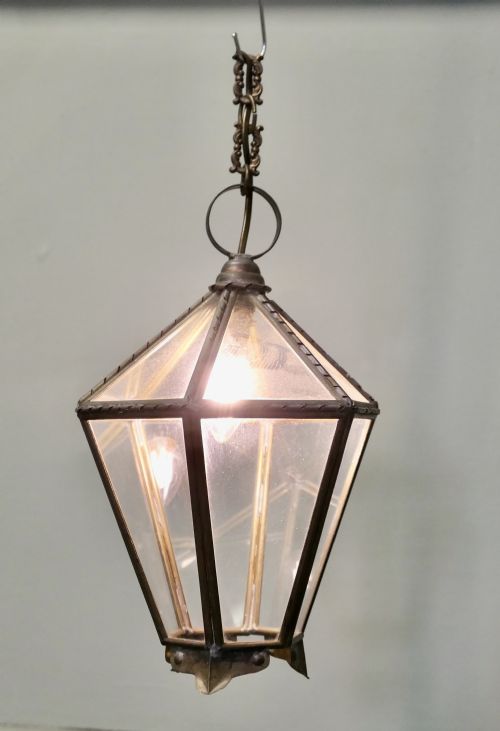



Gothic Revival Hall Light
A gothic revival hall light brings dramatic architectural presence to an entrance, combining leaded glass and heavy metal framing for an imposing historical aesthetic.
Gothic Revival Hall Light
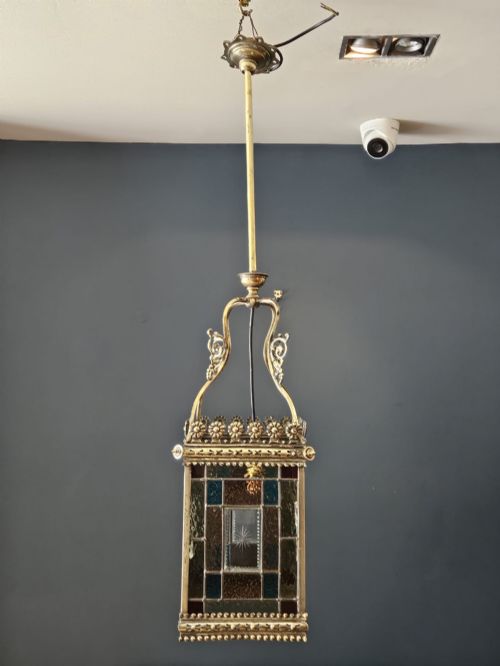
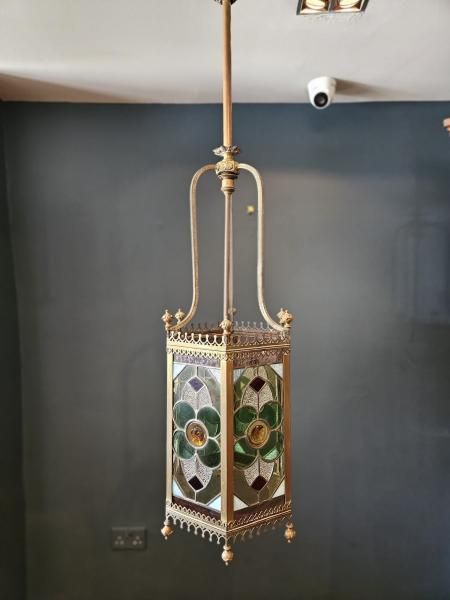
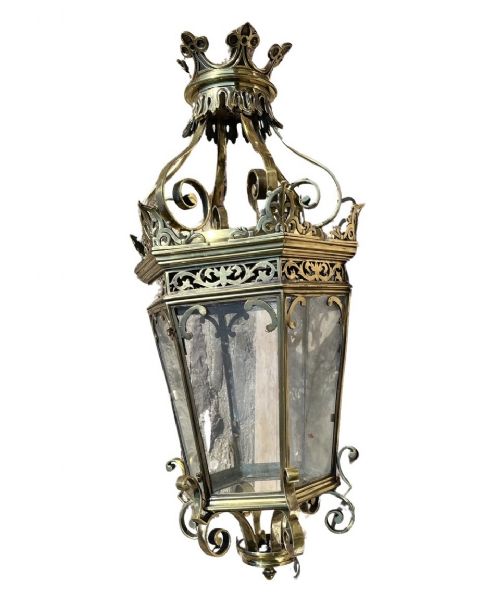
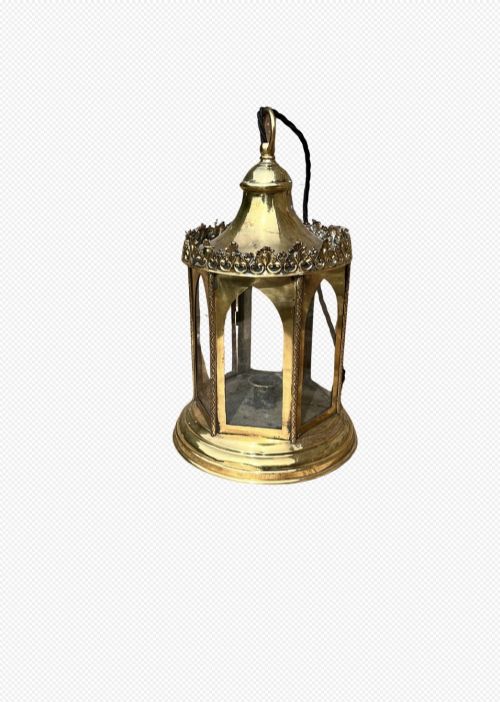
A gothic revival hall light embodies the medieval architectural revival that defined nineteenth-century interior design, offering both practical illumination and striking decorative character to entranceways and corridors. These hanging fixtures range from simple glazed lanterns to elaborate hexagonal brass constructions designed to catch the eye immediately upon entering a home.
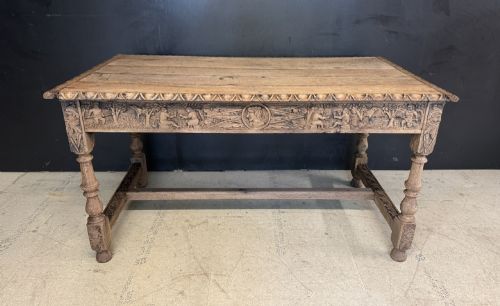
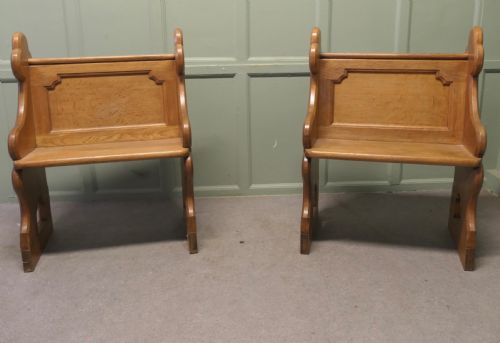
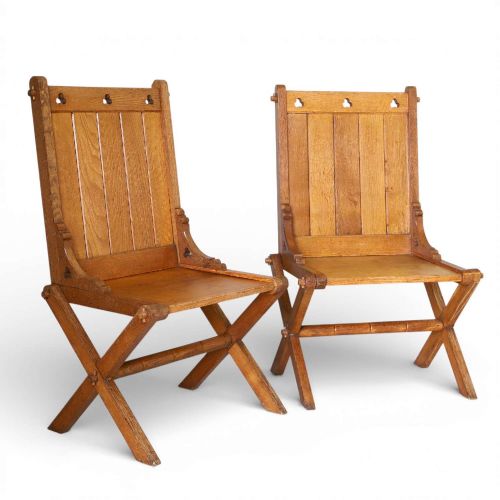
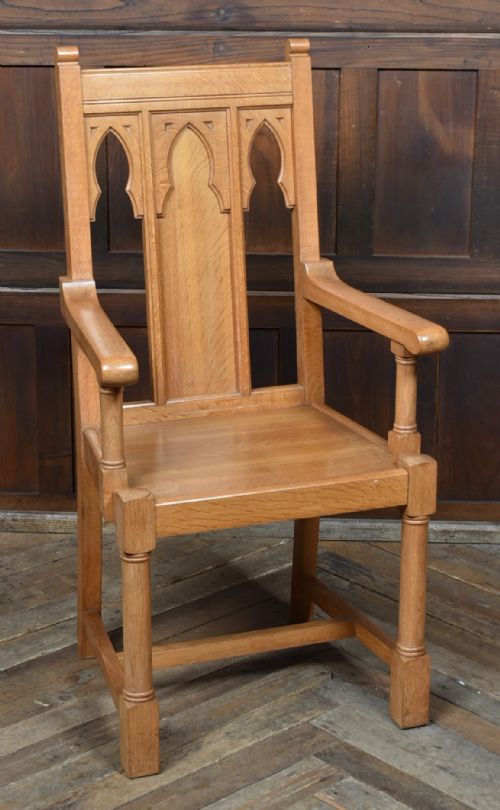
The selection on this page demonstrates the diversity within the genre, spanning periods from the mid-nineteenth century through to the early twentieth century. Alongside ceiling-hung lanterns, the inventory includes related seating and tables that share the same architectural vocabulary and heavy timber construction.
Materials and Construction
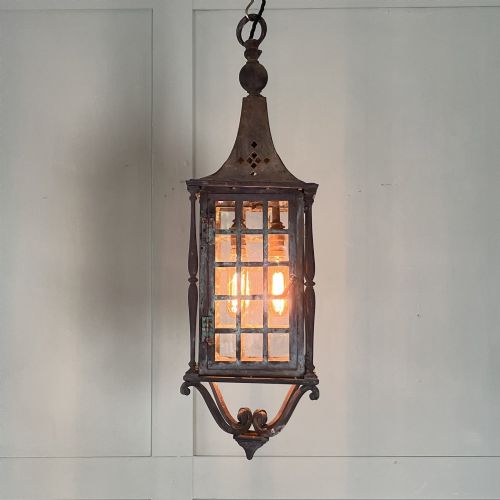
Construction relies heavily upon durable metals such as brass, bronze, and copper, shaped into rigid frames that support panels of clear, coloured, or leaded glass. Blacksmith-made cast iron and wrought iron also feature prominently, providing the robust structural support necessary for heavy hanging lanterns.
Woodwork in related pieces utilises solid oak, often carved with traditional gothic motifs, trefoils, and linenfold panels. Glazing techniques range from simple leaded panes to dimpled red glass and decorative coloured glass inserts that diffuse candlelight or early electric illumination.
One porch light comes complete with cast shamrocks, bringing a touch of botanical folklore to the gothic framework.
Assessing Quality and Craftsmanship
Quality in these hanging fixtures rests upon the crispness of the metal casting, the weight of the frame, and the complexity of the glass panels. Finer examples display intricate hand-finishing to the brass or bronze work, secure lead cording around the glass, and well-proportioned architectural detailing such as tracery or hinged doors.
The integrity of the construction distinguishes superior pieces from standard production, particularly in how the suspension loops and metal frames join together. Pieces that retain their original patination and integrated decorative elements demonstrate a higher tier of period craftsmanship.
The Gothic Revival Hall Light Glossary
- Gothic Revival
- An architectural and decorative arts movement that drew inspiration from medieval design, featuring pointed arches, heavy timber, and ecclesiastical motifs. It experienced a major resurgence during the Victorian period.
- Leaded Glass
- Glass panes joined together by narrow strips of lead called cames, forming geometric or pictorial patterns. This technique is essential for creating the traditional faceted windows seen in hanging lanterns.
- Trefoil
- A graphic ornament composed of three overlapping rings or lobes, commonly found carved into wood or rendered in metalwork. It is a recurring decorative hallmark of medieval and revivalist architecture.
- Hexagonal Form
- A six-sided geometric shape frequently utilised for the body of hanging hall lanterns to maximise light distribution and visual depth. This configuration allows multiple glass panels to be set within a rigid metal frame.
- Patina
- The surface appearance developed over time through age, wear, and polishing, which alters the original colour and sheen of metals and woods. A natural surface patina is valued for authenticating period pieces.
Gothic Revival Hall Light: Frequently Asked Questions
Where should a hall lantern hang?
These fixtures suit high-ceilinged entrance halls, stairwells, and vestibules where their architectural proportions can be fully appreciated. Hanging them centrally allows the glazed panels to cast patterned light across the walls and ceiling.
Ensure adequate clearance beneath the fixture for foot traffic, particularly in traditional entranceways with limited vertical space.
Were these lights originally electrified?
Most nineteenth-century examples were originally designed for candles or oil burning before being converted to electricity during later periods. Surviving hardware often shows evidence of early burner assemblies or candle sockets.
Modern buyers should have the internal wiring inspected and updated by a professional to ensure safety and compliance with current electrical standards.
How do I date a brass lantern?
Dating relies on examining the construction methods of the metal frame, the type of screws or fixings used, and the composition of the glass. Mid-nineteenth-century examples often feature heavier hand-cast brass and simpler oil or candle fittings.
Later Victorian and Edwardian pieces frequently incorporate refined manufacturing techniques and may show adaptations for early electric lamp holders.
Can these lights be used outside?
Certain robust iron and heavy brass lanterns were originally designed as porch lights or exterior fixtures to withstand the elements. Checking the thickness of the metal and the sealing around the glass panels indicates whether a piece suits sheltered outdoor installation.
Exposed historical wiring and antique metal finishes require careful protection against damp weather conditions if placed outdoors.