
Gothic Lighting
Gothic lighting brings architectural weight and ecclesiastical character into a room through heavy metals and leaded glass.
Gothic Lighting
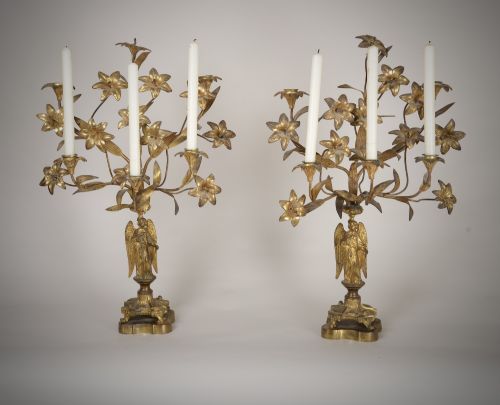
When you search for gothic lighting, you encounter heavy church candlesticks, hanging hall lanterns, and multi-light brass gasoliers spanning the nineteenth century. These pieces draw directly from medieval ecclesiastical architecture, translating pointed arches and structural ironwork into domestic illumination.
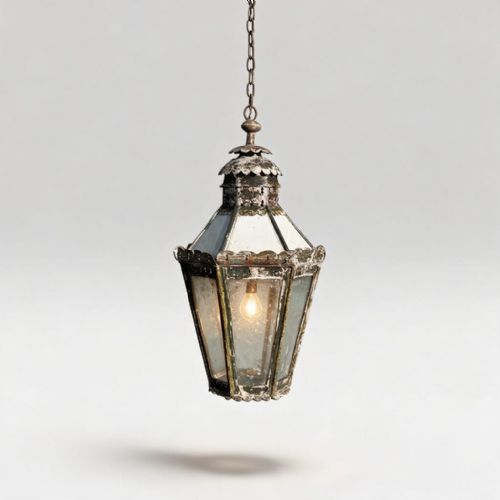
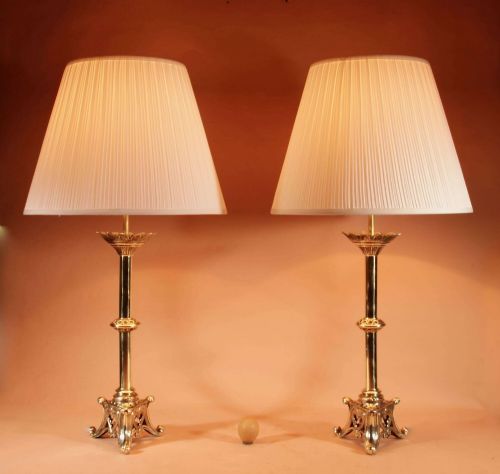
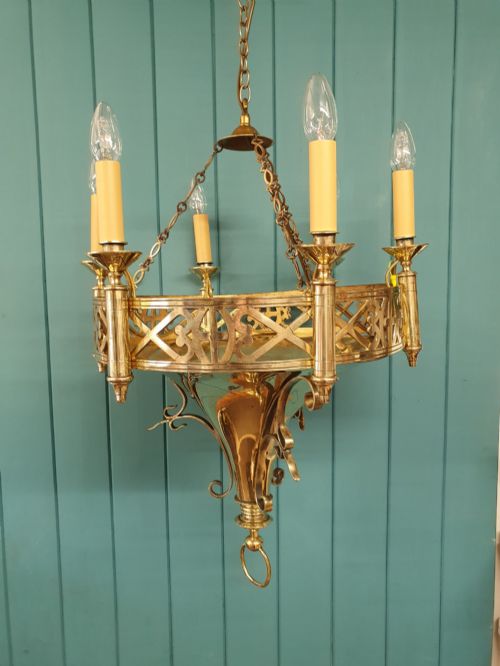
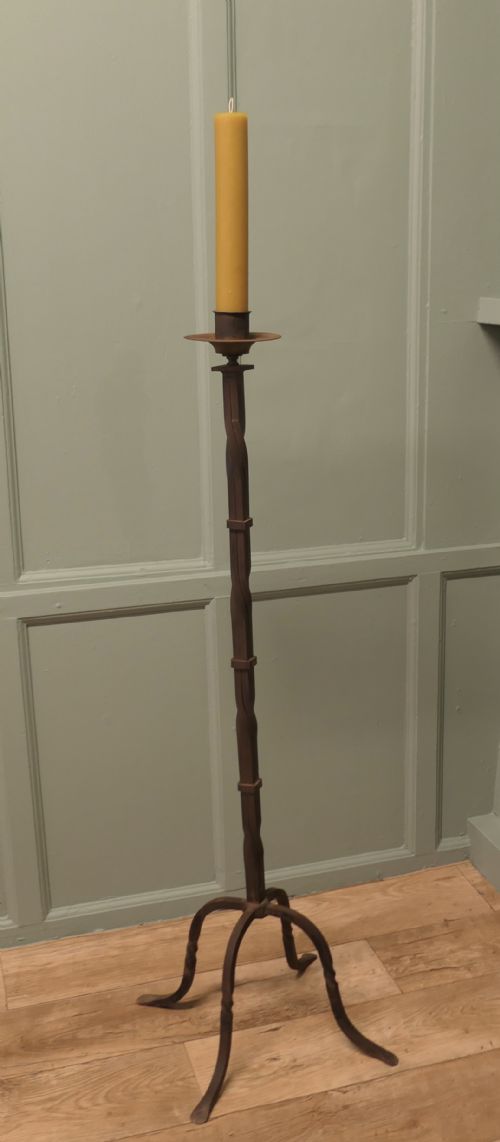
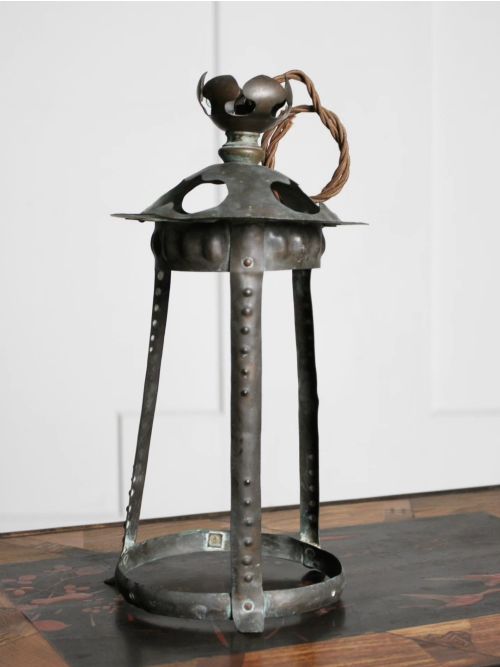
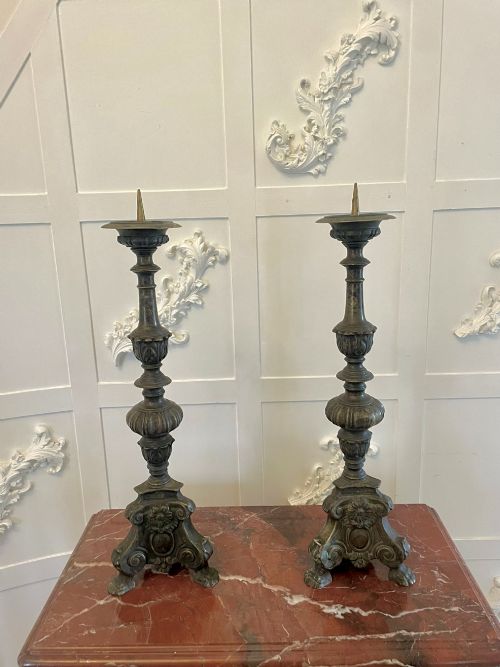
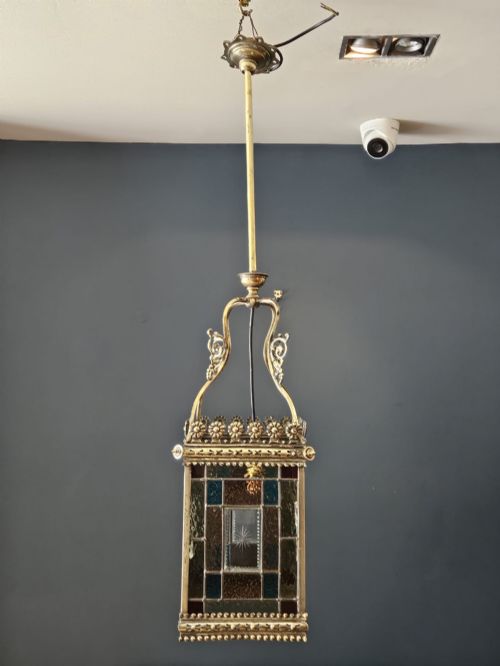
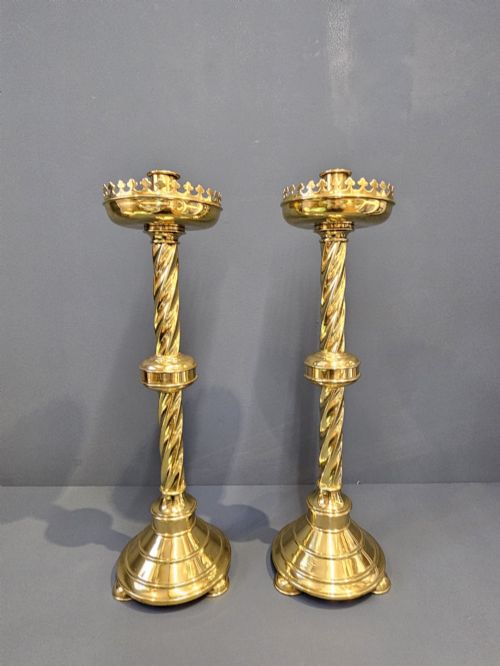
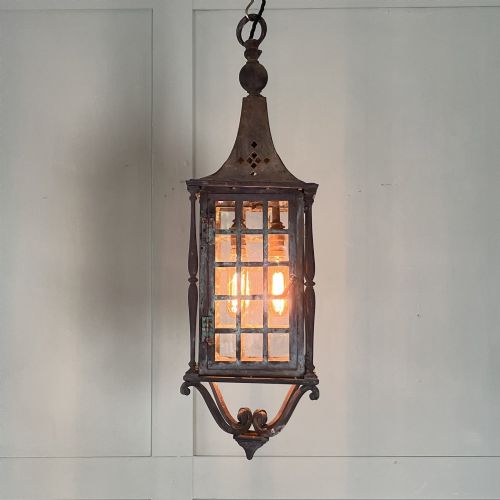
The most common version on this page is the brass or wrought iron lantern, frequently glazed with leaded or bulls-eye glass for a heavy, textured panel effect. Candlesticks in heavy cast brass and bronze also appear regularly, often standing in pairs with pricket tops or wide drip pans.
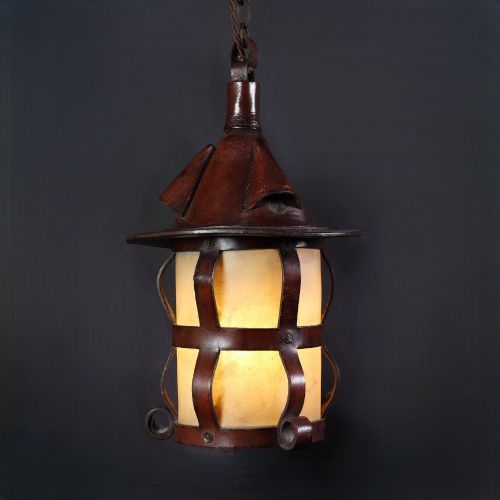
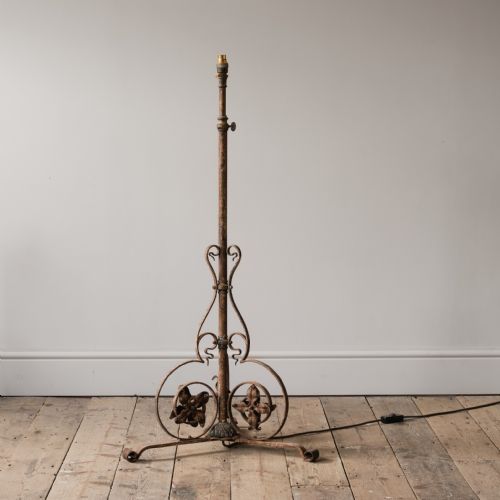
Floor lamps and ceiling pendants extend the style into the early twentieth century, incorporating Arts and Crafts simplicity alongside Victorian revival ornamentation. Oak and bronze support these later interpretations, maintaining the dark, substantial mood established by the earlier church and hall pieces.
Materials and construction
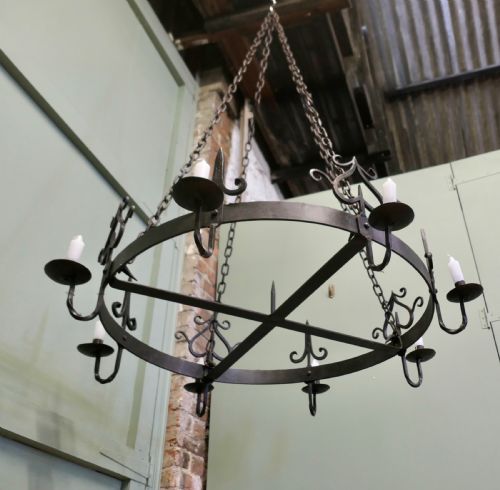
Brass and wrought iron form the structural backbone of these pieces, shaped through casting, hammering, and blacksmithing. Cast brass components provide rigid frames for lanterns and detailed ornamentation for altar sticks, while wrought iron supplies durability for floor stands and heavy hanging fixtures.
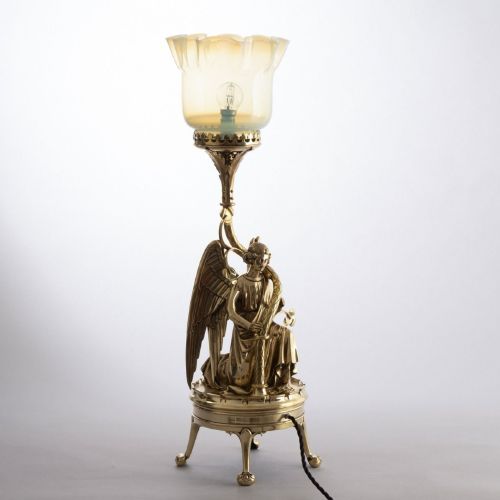
Glass panels contribute texture and colour, utilising leaded joints, opalescent shades, and hand-blown bulls-eye roundels. These glass elements filter light unevenly, casting patterned shadows that suit the dark oak and metal frames characteristic of the style.
Materials documented across the listings include wrought iron, bronze, oak, lead, and opalescent glass.
Judging the standard
Quality rests upon the weight of the metal casting and the integrity of the structural joins. Substantial gauge brass and hand-forged iron demonstrate a commitment to durability that thin sheet metal lacks.
The treatment of the glass panels and the precision of the lead work separate standard utilitarian pieces from finer decorative examples. Hand-blown glass with natural irregularities and tightly soldered lead cames indicate superior craftsmanship.
Heals
The Gothic Lighting Glossary
- Pricket candlestick
- A metal spike onto which a candle is impaled, common in church and altar lighting from the nineteenth century.
- Gasolier
- A multi-branched lighting fixture designed for gas illumination, often converted to electricity in later decades.
- Bulls-eye glass
- Thick, round-centred glass panes created during hand-blowing, producing distorted light patterns and heavy texture.
- Lead glass
- Glass formed with lead oxide to increase weight and refractive brilliance, frequently utilised in lantern panels.
- Candelabra
- A branched candlestick holding multiple candles, constructed from heavy cast bronze or brass.
Gothic Lighting: Frequently Asked Questions
How do I wire an antique lantern?
Rewiring requires running modern heat-resistant flex through the original metal channels or suspension points without altering the exterior brass or iron structure. A qualified electrician should handle the internal connections to ensure safety.
Retaining the original sockets or switches where possible preserves the character of the piece while bringing the wiring up to current standards. Many lanterns feature side doors or removable panels that grant easy access to the interior components.
Can these hang from standard ceilings?
Heavy brass and iron lanterns require secure ceiling fixings screwed directly into joists rather than plasterboard alone. The substantial weight of leaded glass and cast metal demands robust support.
Adjustable chain or cord lengths allow you to position the light at the correct height above a hallway or dining table. Ensure the weight distribution is even across all suspension points before final installation.
How do I clean old brass?
Dust accumulated in crevices can be removed using a soft, dry brush without disturbing the natural patina built up over decades. Avoid harsh chemical polishes that strip away the dark oxidation valued by collectors.
If the metal requires washing, warm water and mild soap applied with a cloth work best, followed by thorough drying. Wrought iron benefits from a light application of beeswax to protect against moisture.
Are these pieces electrified?
Many items have undergone conversion from gas or candles to electricity at various points in their history. The conversion method often indicates the era in which the upgrade took place.
Unconverted church candlesticks remain intended for wax candles, while hall lanterns and gasoliers frequently house modern wiring. Inspect the internal fittings to determine whether the setup suits your intended domestic use.