



Gothic Fireplace Accessories
Gothic fireplace accessories bring architectural weight and dark ironwork to the hearth, offering sturdy utility rooted in centuries of design.
Gothic Fireplace Accessories
When you search for gothic fireplace accessories, you look at items designed to service hearths with heavy ironwork, pointed arches, and medieval details. The pieces available here span utilitarian tools, grates, and screens alongside structural supports for burning wood.
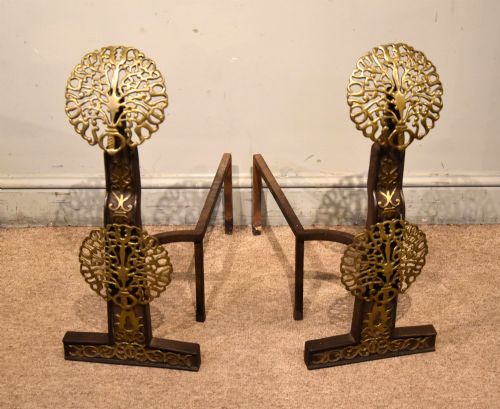
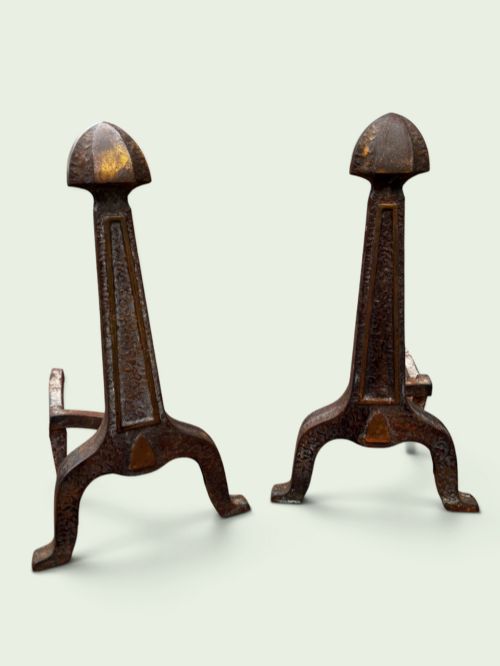
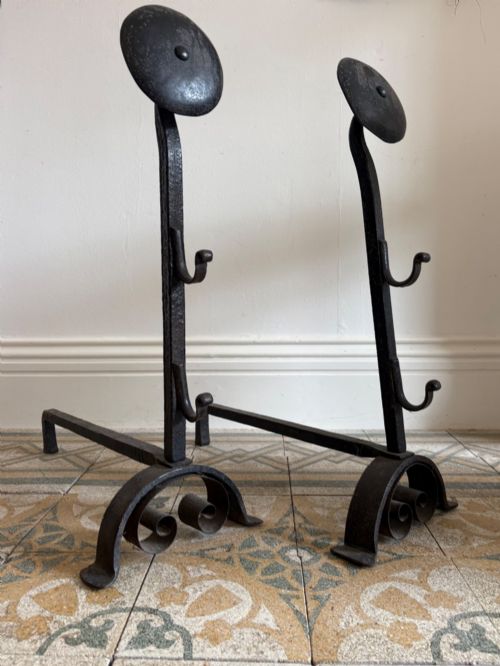
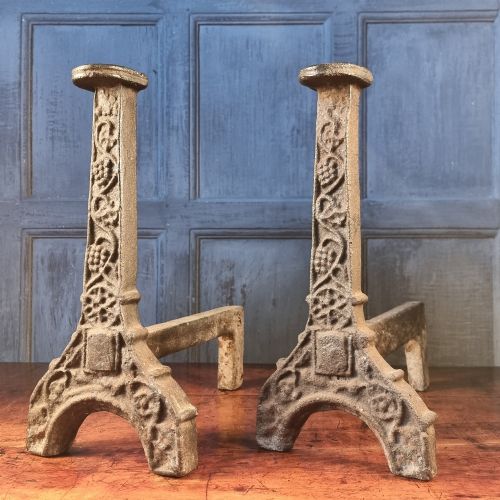
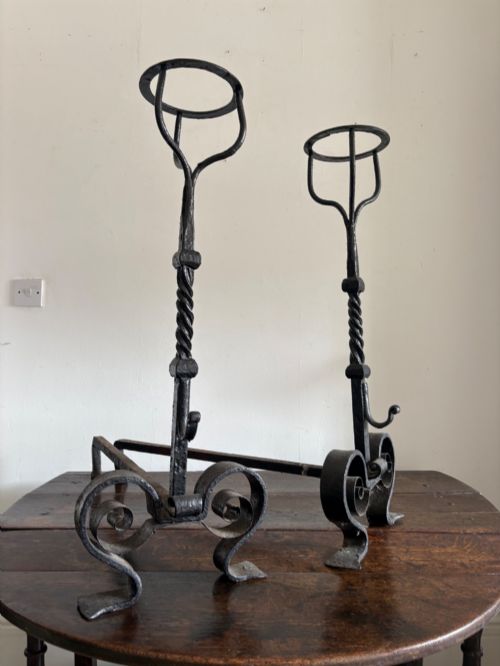
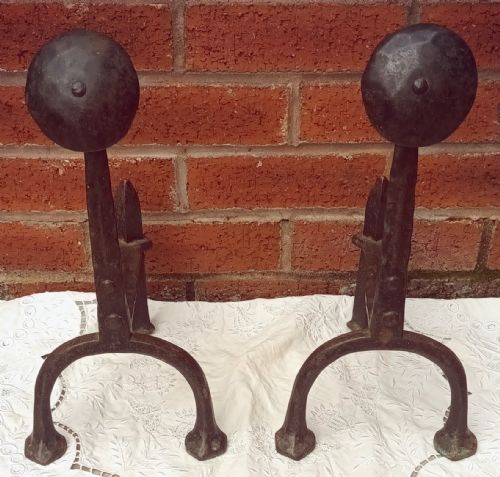
Andirons and fire dogs dominate the selection, often rendered in wrought iron or cast iron with distinct Arts and Crafts influence. Buyers most frequently meet nineteenth-century interpretations that combine Victorian gothic motifs with robust blacksmithing.
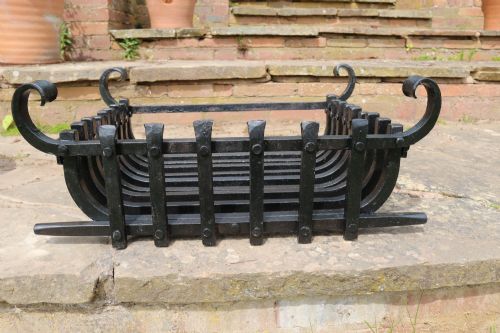
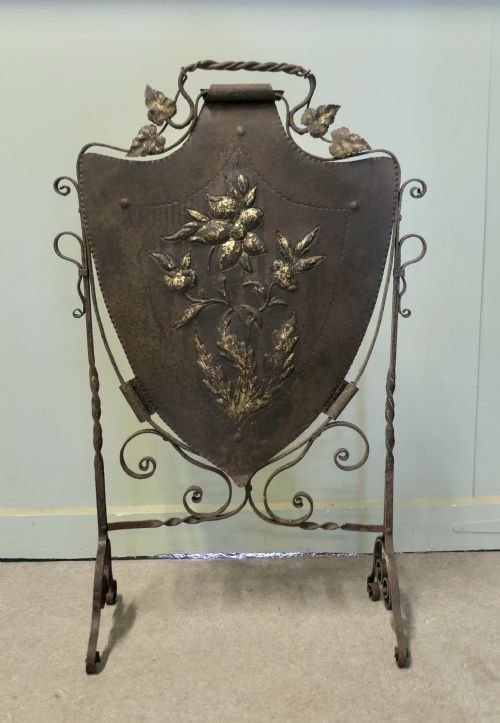
The objects serve both practical containment and decorative focus beside the fireplace, ranging from companion sets to monumental inglenook grates. Each form reflects the period's revival of medieval aesthetics translated into domestic heating.
How they were made
Blacksmiths shaped wrought iron and steel over the forge using hammering, twisting, and riveting techniques to build rigid fire dogs and tool handles. Cast iron provided an alternative method for producing heavy grates and decorative shields through sand moulding.
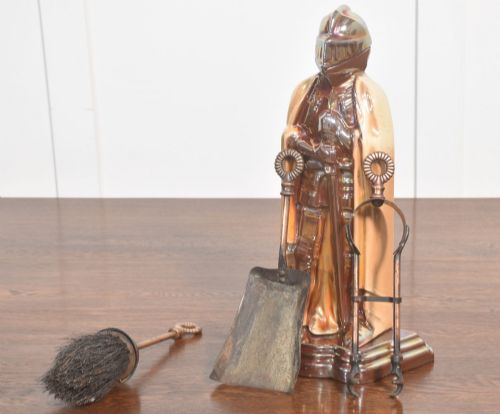
Brass accents and copper finishes occasionally appear alongside iron, introducing contrasting metallic tones to handles and coal scuttles. Bristles complete companion sets, fixed to metal shafts designed for sweeping hearth ash.
Gothic Fireplace Accessories Retail Price Guide 2026
Typical asking prices for gothic fireplace accessories among the pieces listed under this phrase on Sellingantiques today, from the lower quarter to the upper quarter. They describe what is for sale here now, not the wider market.
Listings feature items spanning the sixteenth to the twentieth centuries, with a strong concentration of nineteenth-century Victorian and Edwardian examples.
What varies in quality
Weight and structural substance separate substantial hearth ironwork from lighter decorative pieces, as heavier gauge metal endures intense heat without warping. The integrity of hand-forged joints and visible hammer marks indicate skilled craftsmanship over mass production.
Proportion and stylistic consistency dictate the visual success of the gothic revival form, where balanced heraldic motifs or clean Arts and Crafts lines elevate simple utility. The articulation of details like shields, finials, and knight figures shows the hand of a more capable maker.
The Gothic Fireplace Accessories Glossary
- Andirons
- Horizontal bars or stands raised on legs, used to support logs in an open fireplace. They often feature decorative vertical fronts facing into the room.
- Fire Grate
- A metal basket or framework designed to hold burning coal or wood safely within the hearth. These sit independently or integrate directly with andirons.
- Perdonium
- A traditional enclosed box or scuttle used for storing and carrying coal to the fire. They frequently incorporate metal bodies with hinged lids and carrying handles.
- Companion Set
- A matched collection of fireside tools usually comprising a poker, tongs, shovel, and brush suspended from a shared stand. They keep essential hearth maintenance implements tidy and accessible.
- Gothic Revival
- An architectural and decorative style that revives medieval forms, pointed arches, and heavy ironwork. This aesthetic heavily influences nineteenth-century fireside metalwork.
Gothic Fireplace Accessories: Frequently Asked Questions
What are gothic fireplace accessories?
These pieces comprise iron tools, heavy andirons, grates, and screens built to serve open hearths. They incorporate medieval architectural motifs and dark metal finishes.
Items range from tall fire dogs to companion sets and coal scuttles, serving functional roles beside the fire while establishing a strong visual presence.
How do I use andirons?
Andirons support logs above the hearth floor to allow proper airflow underneath for combustion. They bear the weight of burning wood while protecting the back wall of the fireplace.
Pairs stand facing outward into the room, serving as both structural fire supports and decorative anchors for the entire hearth arrangement.
How do I date iron hearth pieces?
Dating relies on observing construction methods, material types, and stylistic crossover between gothic revival and Arts and Crafts movements. Nineteenth-century examples often display machine-assisted casting alongside hand-forged elements.
Earlier sixteenth-century pieces show distinct hand-hammered fabrication and simpler, heavier forging techniques without later industrial standardisation.