
Gothic Carved Oak Chair
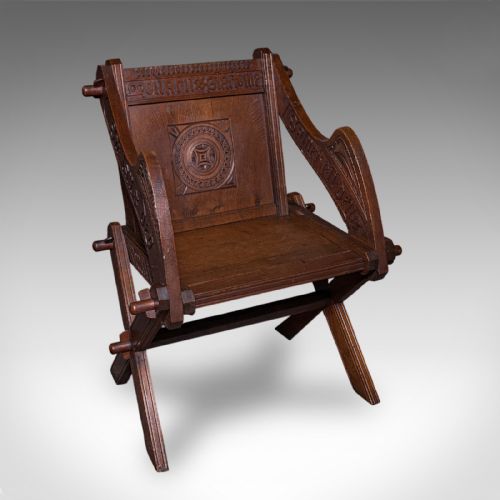
When you search for a gothic carved oak chair, you find heavy timber seating defined by ecclesiastical tracery and deep relief work.
Gothic Carved Oak Chair
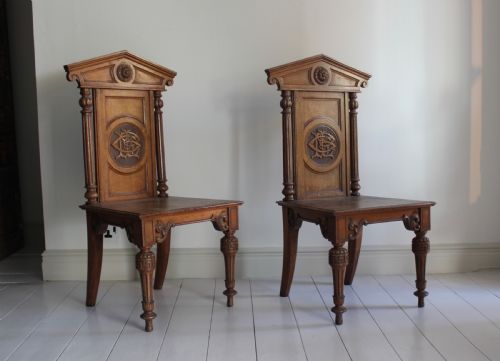
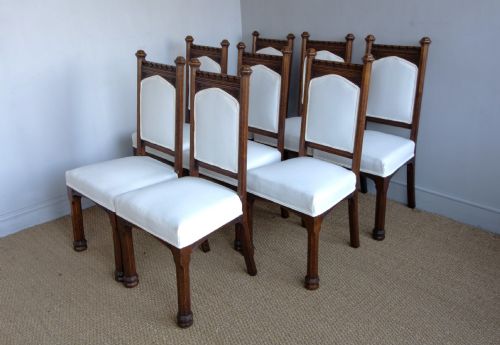
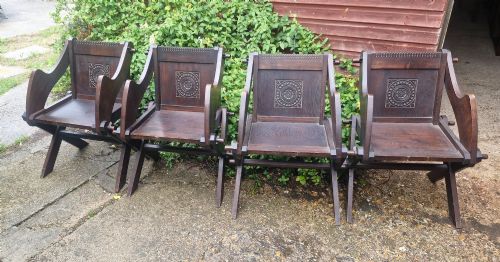
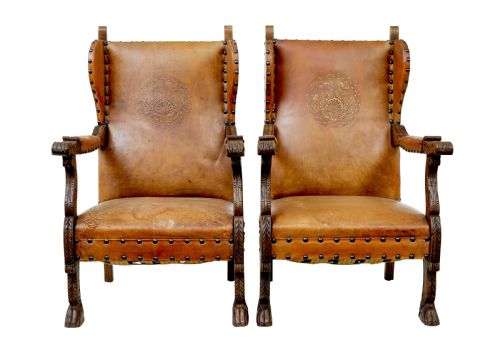
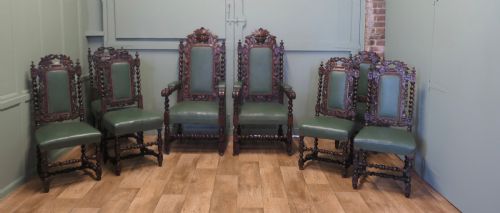
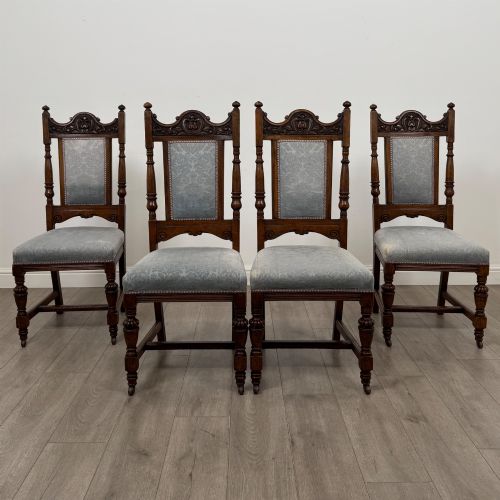
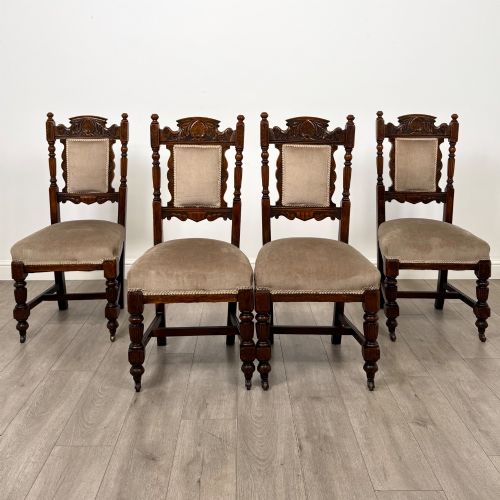
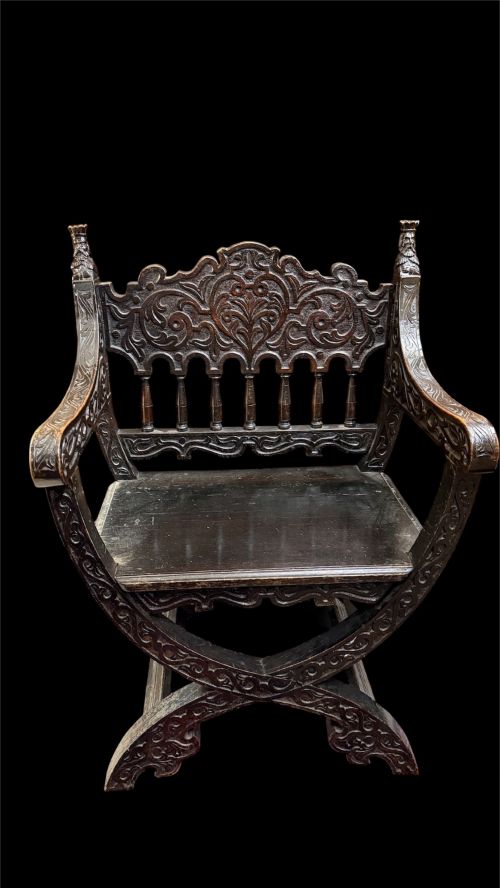
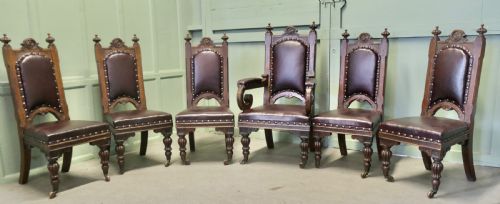
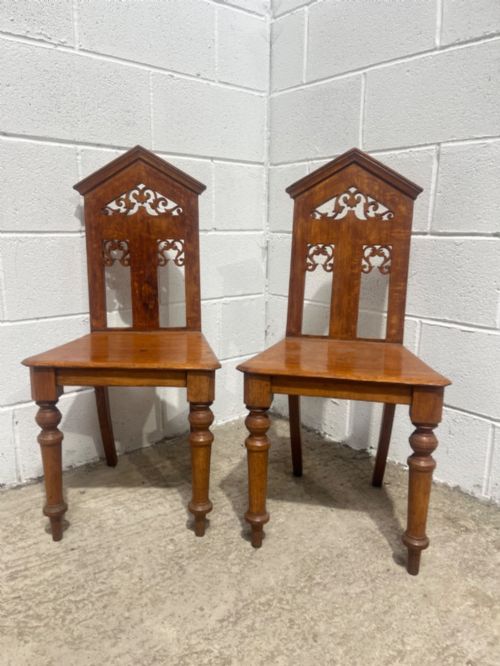
A gothic carved oak chair bridges centuries of revival design, drawing heavily on Victorian reinterpretations of medieval architecture. You will frequently encounter dining sets, high-backed hall chairs, and substantial armchair thrones featuring pointed arches and trefoil motifs.
The selections span the nineteenth and early twentieth centuries, encompassing Victorian, Edwardian, and Arts and Crafts movements. Workshops across England, Scotland, and Wales produced these pieces for domestic hallways, libraries, and formal dining rooms.
Materials and Construction
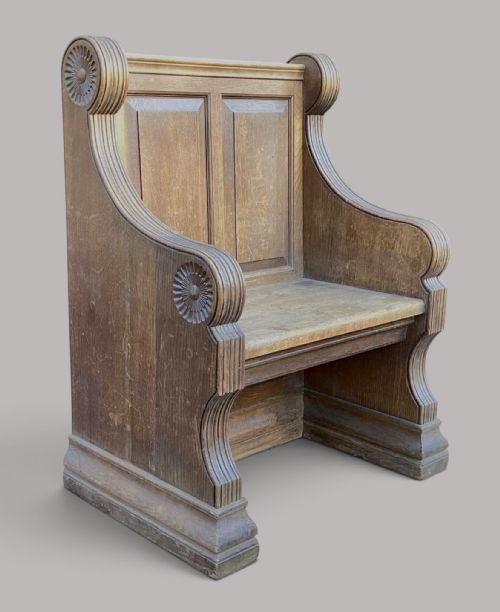
Carpenters relied primarily on solid timber, often utilising heavy oak alongside secondary elements of brass, iron, and leather. Construction methods prioritized mortise and tenon joinery to support the dense weight of carved panels.
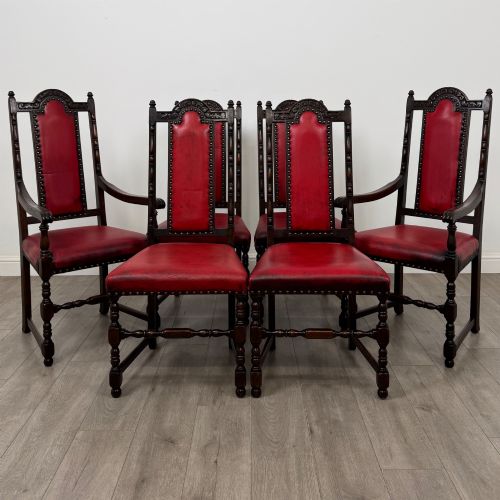
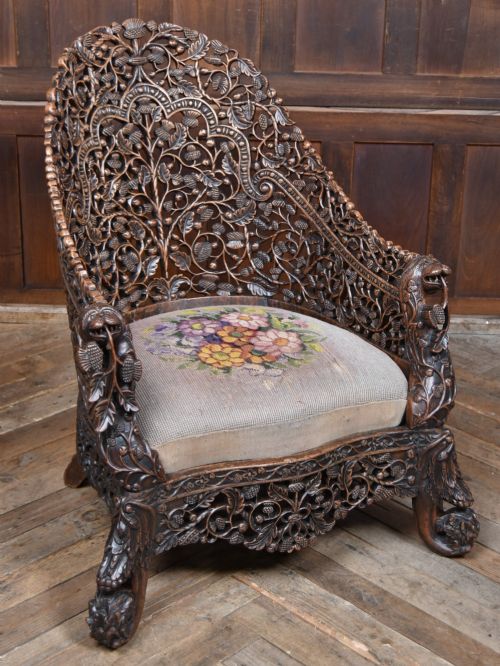
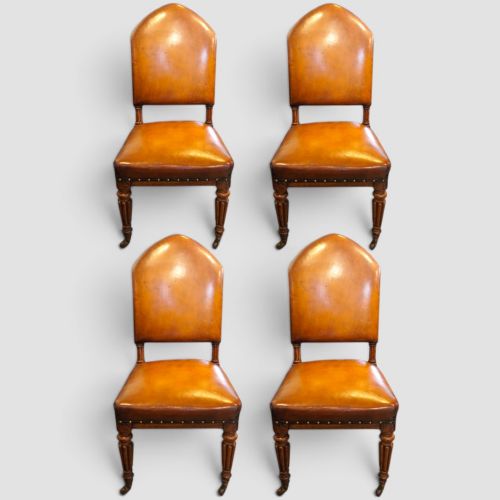
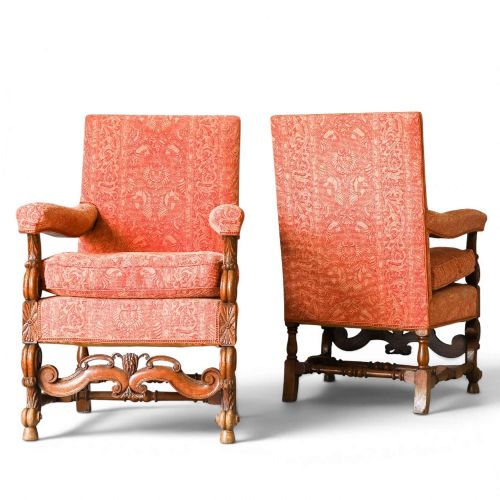
Upholstery, where present, typically consists of embossed leather, heavy tapestry, or plain fabric secured with brass studs. Surface detailing includes hand-chiselled tracery, barley twist legs, and architectural crest rails.
Gothic Carved Oak Chair Retail Price Guide 2026
Typical asking prices for gothic carved oak chair among the pieces listed under this phrase on Sellingantiques today, from the lower quarter to the upper quarter. They describe what is for sale here now, not the wider market.
Some library chairs cleverly unfold into sturdy sets of wooden steps for reaching high bookshelves.
Assessing Quality
The distinction between standard production items and finer examples rests on the depth and crispness of the relief carving. Pieces designed by notable architects or workshops display sharper chisel work and more deliberate architectural proportions.
Structural integrity also separates individual examples, particularly in the stability of joint work and the retention of original timber patination. Uniformity across matched sets of dining or hall chairs indicates superior initial manufacture.
Bruce Talbert·Gillows
The Gothic Carved Oak Chair Glossary
- Gothic Revival
- An architectural and decorative style popular during the nineteenth century that revived medieval forms. It heavily influenced furniture design through pointed arches, linenfold panels, and geometric tracery.
- Wainscot Chair
- An early form of wooden armchair with a solid panel back and box seat. They provide a sturdy wooden silhouette often replicated in later revival periods.
- Trefoil
- A graphic ornament composed of three rounded lobes arranged in a cloverleaf shape. This motif appears frequently cut into the backs and crest rails of chairs.
- Metamorphic Chair
- Dual-purpose furniture designed to transform into library steps or an alternative seat. These ingenious pieces reflect nineteenth-century mechanical innovation.
- Barley Twist
- A turned column resembling a rope twisted in a spiral. This decorative turning style frequently supports the legs and stretchers of seating.
Gothic Carved Oak Chair: Frequently Asked Questions
Where should I place a gothic carved oak chair?
These imposing seats suit entrance halls, libraries, or studies where their architectural presence can anchor the room. They also function well as singular statement pieces away from dining tables.
Because of their substantial weight and dark timber tones, they anchor lighter interior spaces effectively when given sufficient clearance from surrounding furniture.
How do I care for antique oak furniture?
Maintain the timber by applying a microcrystalline wax sparingly to nourish the grain and protect the surface. Avoid placing wooden seating near direct heat sources or strong sunlight.
Regular dusting with a dry, soft cloth prevents particulate buildup in the deep recesses of the carved relief work.
How can I tell Victorian revival from older pieces?
Examine the tool marks and construction methods visible on the underside and interior joints of the frame. Machine-sawn timber and uniform screwheads generally indicate nineteenth-century production.
Revival pieces often exaggerate medieval motifs with heavier proportions and machine-assisted relief carving compared to earlier work.
Are these chairs comfortable for daily use?
High-backed variants and throne seats encourage upright posture rather than relaxed lounging. Many examples feature solid wooden seats or firm leather upholstery designed for formal rather than casual sitting.
For extended seating at a dining table, padded leather or upholstered variants offer a softer sit than solid timber boards.