



Gothic Brass Lantern
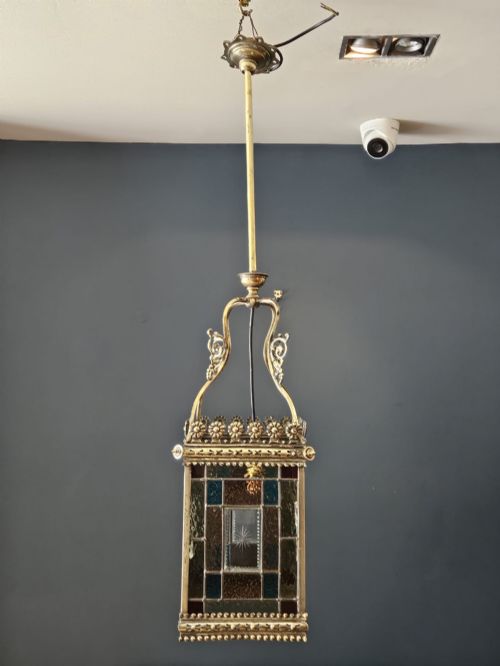
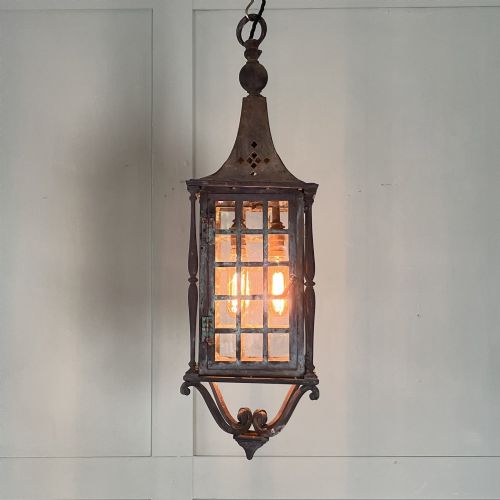
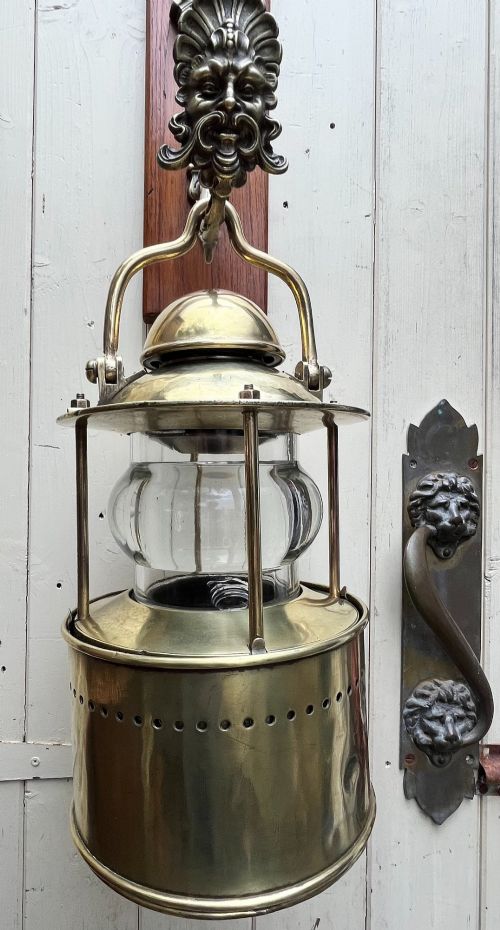
These gothic brass lantern pieces bring medieval ecclesiastical atmosphere into domestic spaces through pierced metalwork and glass panels.
Gothic Brass Lantern
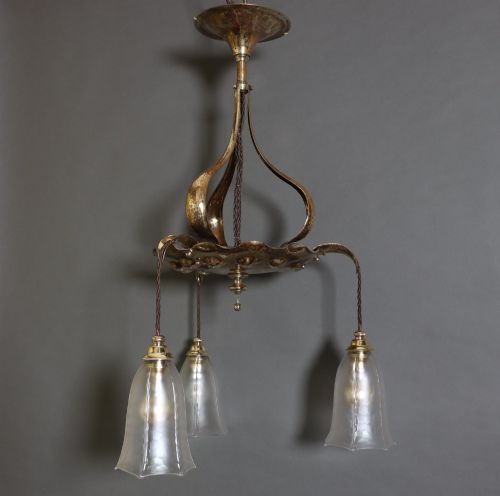
A gothic brass lantern serves as a striking overhead or wall-mounted lighting fixture, drawing heavily on medieval architectural motifs for its visual appeal. Buyers searching for a gothic brass lantern encounter ceiling lights, pendant lights, hall lanterns, and wall lanterns spanning from the Victorian era through to the early twentieth century.
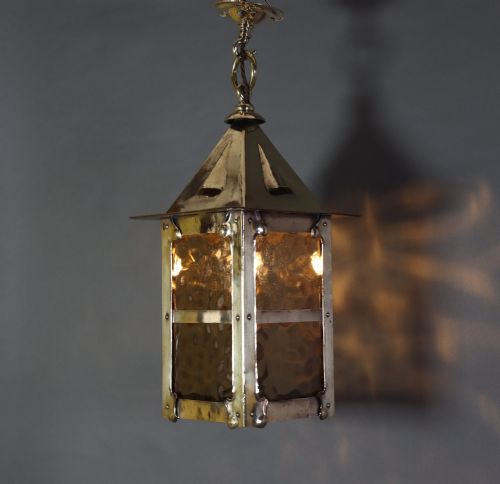
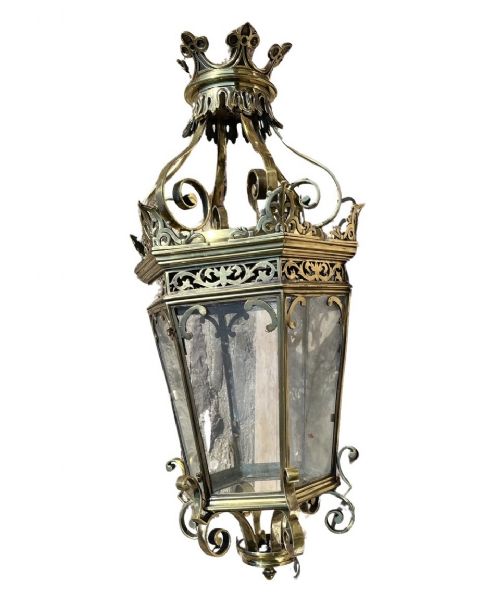
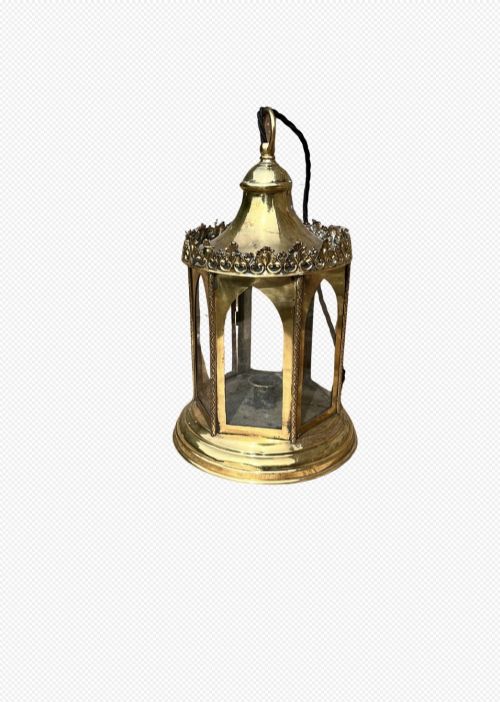
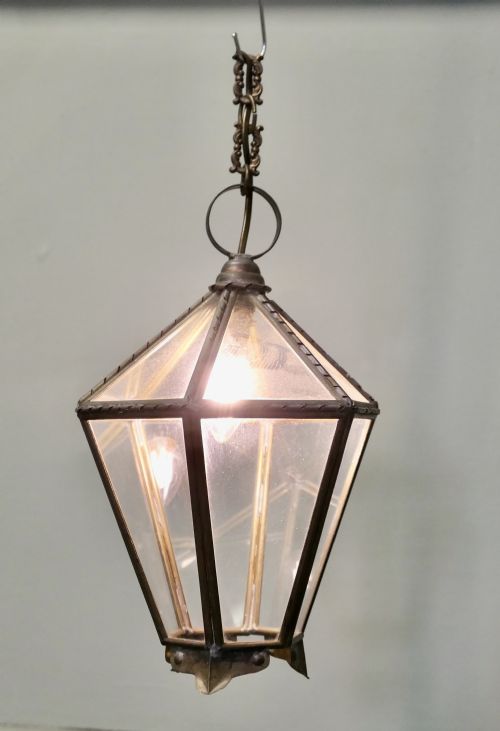
The selection here encompasses Victorian gothic pieces alongside Arts and Crafts interpretations and Edwardian examples. Forms range from hexagonal hanging frames to simpler side lanterns, often designed for halls or porches where architectural character matters most.
Origins represented in the evidence include English and French workshops producing items influenced by Gothic Revival design principles. Such lighting pieces bridge historical imitation and domestic utility, offering distinct period character for hallways and reception spaces.
How they were made
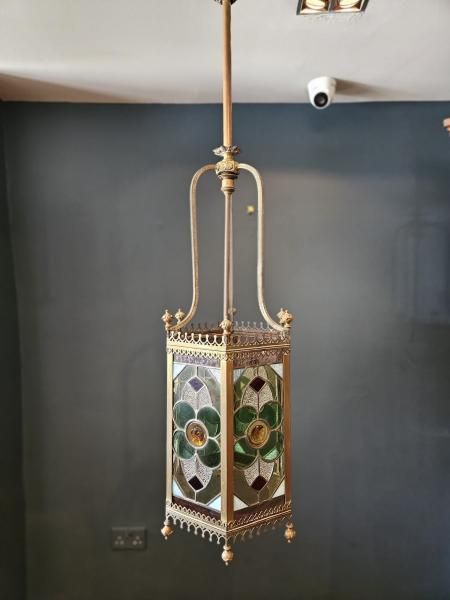
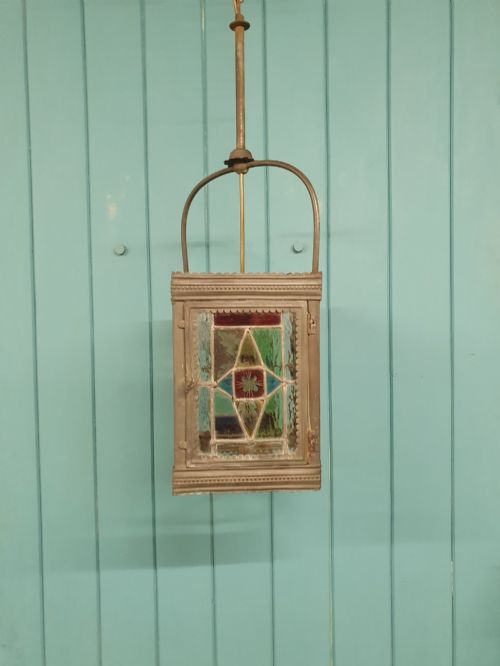
Construction relies primarily on robust brass frames combined with various glass types, including leaded glass, hand-blown glass, and stained glass. Artisans secured these transparent or coloured panels within metal armatures using lead or wrought iron structural supports.
Surface treatment and assembly involved hand-soldering and mechanical joints, with some iterations featuring gilded metalwork or wood elements. Workshops employed traditional metalworking techniques to create structural bars and decorative tracery that echo ecclesiastical windows.
One persistent Victorian electrician clearly loved side access, adding doors to heavy brass frames just so bulbs could be changed without dismantling the ceiling.
What varies in quality
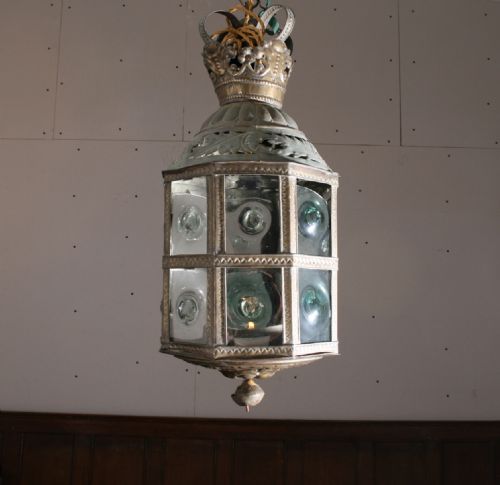
Quality rests upon the weight and gauge of the brass framework, alongside the complexity of the architectural tracery and glass selection. Pieces featuring hand-blown bulls eye glass or intricate leaded panels demonstrate superior craftsmanship compared to simpler utilitarian variants.
Design coherence also separates standard production from exceptional examples, particularly those associated stylistically with notable designers like Pugin or Voysey. The precision of the metal joins and the integration of opening doors or specialised hanging loops dictate the overall tier of the piece.
The Gothic Brass Lantern Glossary
- Gothic Revival
- An architectural and decorative style drawing inspiration from medieval design, featuring pointed arches and heavy vertical lines. This aesthetic informs the shape and ornamentation of many lanterns on the market.
- Leaded Glass
- Small panes of glass held together by strips of lead to form intricate geometric or pictorial patterns. This technique is common in ecclesiastical windows and period lantern shades.
- Bulls Eye Glass
- A type of glass featuring a circular concentric thickening or lens shape in the centre, produced during traditional glassblowing. It distorts light playfully and adds texture to lantern panels.
- Hall Lantern
- A lighting fixture specifically scaled and shaped for entrance halls and stairwells. These typically hang from chains or rigid rods to illuminate vertical circulation spaces.
Gothic Brass Lantern: Frequently Asked Questions
Where should I hang a gothic brass lantern?
These lanterns suit entrance halls, porches, and high-ceilinged landings where their architectural metalwork and coloured glass can catch natural and artificial light effectively.
Ensure the hanging height clears head height while remaining visible as a focal point from adjacent rooms.
How do I date a brass lantern?
Dating relies on examining the assembly methods, the style of the glass panels, and the patina of the brass. Victorian and Edwardian examples often display distinct construction techniques, such as hand-cut lead cames or specific mounting loops.
Comparing the decorative motifs against known Gothic Revival design trends also helps narrow the period of manufacture.
Were these lanterns electrified originally?
Many older lanterns were adapted from candle or oil burning to electricity during the twentieth century. Some retain side doors or internal fittings that reveal their earlier fuel-burning origins.
Modern wiring is typically installed by contemporary restorers to ensure safety during domestic use.
What glass types appear in these lanterns?
Listings frequently feature leaded glass, hand-blown glass, stained glass, and dimpled red glass. Each variety diffuses light differently, casting coloured or patterned shadows across surrounding walls.
Textured glass types were selected to obscure internal light sources while adding decorative richness.