





Gothic Brass Lamp
A gothic brass lamp brings medieval architectural character and ecclesiastical weight into domestic rooms through heavy cast metal and period glass.
Gothic Brass Lamp
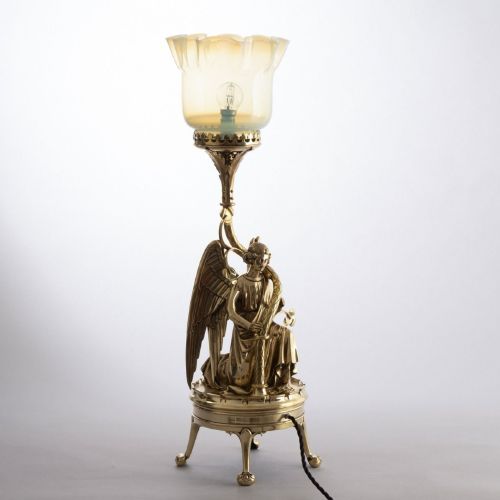
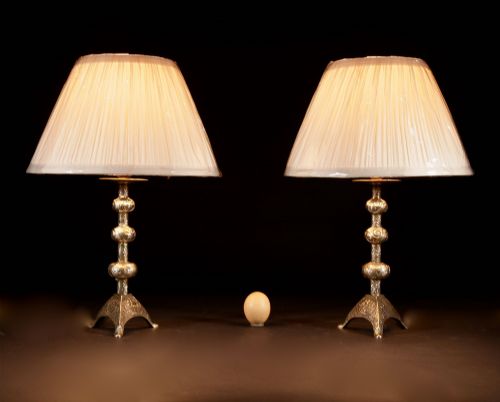
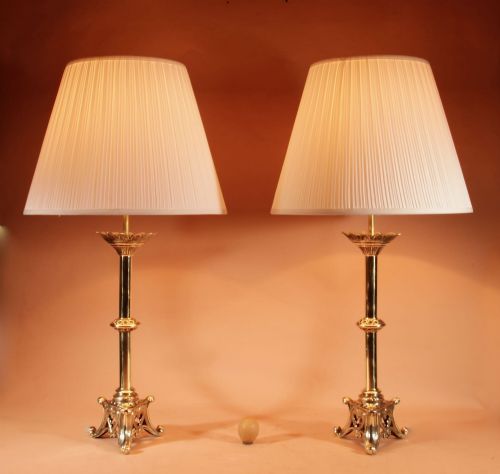
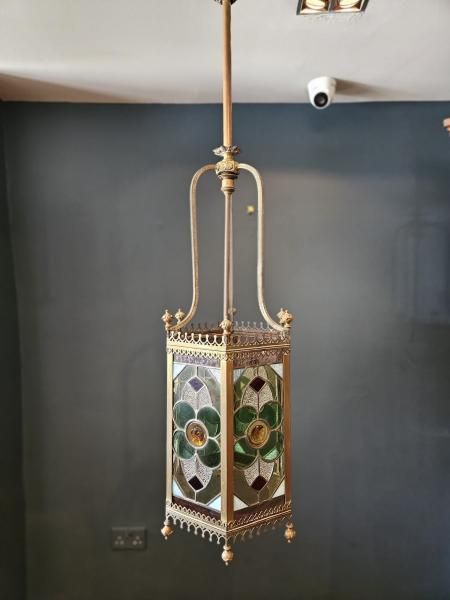
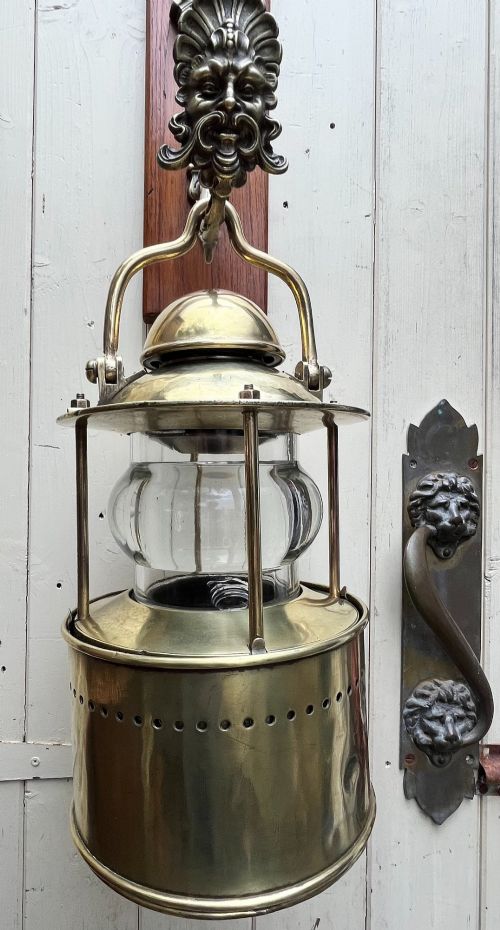
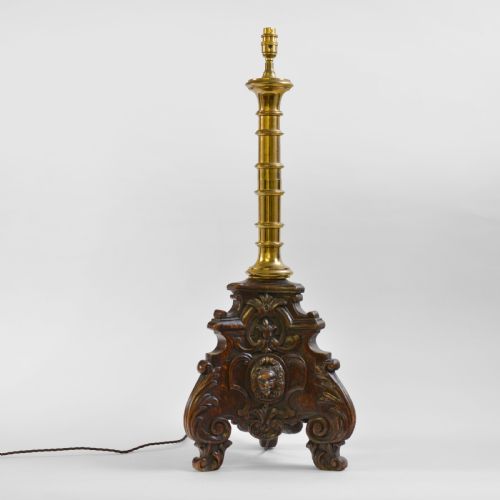
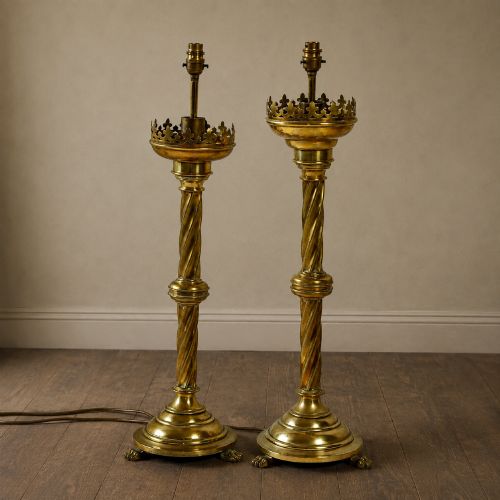
A gothic brass lamp draws on medieval ecclesiastical metalwork, taking the form of heavy table lamps, altar candlesticks converted for electricity, and hanging hall lanterns. The selection here leans heavily towards Victorian and nineteenth-century examples influenced by Gothic Revival aesthetics.
Buyers encounter table lamps, heavy pairs of altar pricket sticks adapted with fittings, and multi-branch chandeliers. Brass is the dominant metal, frequently paired with leaded or coloured glass to create atmospheric illumination.
How they were made
Maker workshops utilised cast brass and wrought iron to build rigid, structural frames capable of supporting heavy glass shades and multiple branches. Gilded brass and standard brass components were assembled using mechanical joints, heavy screw fittings, and soldering.
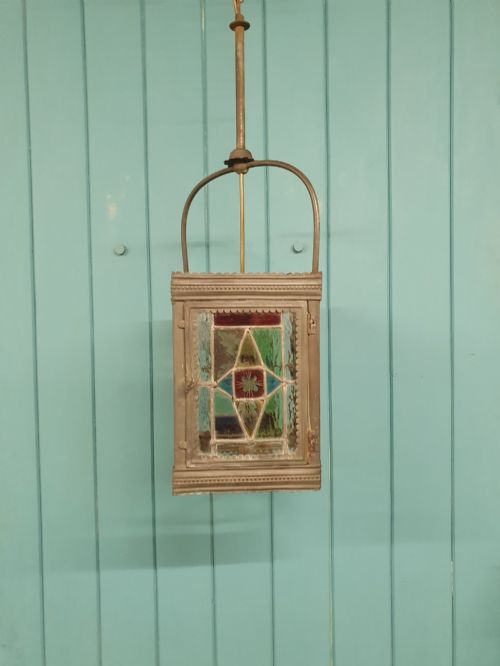
Glass elements incorporate vaseline glass, leaded panels, and coloured or dimpled shades that soften the light emitted by the metal structure. Components often began life as church altar sticks or sacristy lamps before receiving electrical wiring in later periods.
Several pieces began their lives holding altar candles in hushed sanctuaries before ending up illuminating modern hallways.
What varies in quality
The distinction between ordinary and superior pieces rests on the crispness of the brass casting and the architectural fidelity of the gothic ornamentation. Heavier gauge metal and substantial scale indicate workshops that invested greater labour in finishing decorative details.
The integration of period glass, such as leaded panels or vaseline glass inserts, separates standard commercial items from more ambitious ecclesiastical commissions and high-style revival pieces.
The Gothic Brass Lamp Glossary
- Gothic Revival
- An architectural and decorative style popular in the nineteenth century that revived medieval pointed arches, tracery, and heavy forms. It informs the majority of the metalwork seen in these lighting pieces.
- Vaseline glass
- A type of glass containing uranium dioxide that glows under ultraviolet light and produces a distinctive greenish-yellow tint. It appears in several Victorian lighting combinations.
- Altar candlestick
- A tall ecclesiastical candle holder designed for church use, frequently converted into a table lamp during subsequent decades. These pieces provide substantial height and heavy cast brass bases.
- Sacristy lamp
- A hanging lamp traditionally used within the vestry or sanctuary of a church. Their enclosed forms translate well into hallway and pendant lighting.
- Pricket stick
- A candlestick featuring an upward-pointing metal spike that secures the base of a candle rather than a socket. Converted examples retain this central spike alongside electrical fittings.
Gothic Brass Lamp: Frequently Asked Questions
Are these lamps safe to use today?
Many older pieces arrive with historical wiring or modern replacements that require professional inspection by a qualified electrician before daily domestic use.
Checking the internal fittings ensures the heavy brass body is properly earthed and safe for standard household voltage.
How do I date a gothic brass lamp?
Dating relies on examining the casting techniques, the style of the screws, and the composition of the attached glass components. Victorian revivals often display nineteenth-century manufacturing marks or heavier brass sections than later twentieth-century interpretations.
Comparative study of period church metalwork catalogues helps narrow down the decade of production.
Can I convert an altar stick back into a candle holder?
Most conversions retain the original pricket spike or socket structure beneath the wiring, allowing reversible modifications. Consulting a specialist restorer prevents permanent alteration to historical metalwork.
Many collectors prefer to keep the electrical fitting in place for practical domestic illumination.
How do I clean antique brass?
Regular dusting with a dry microfibre cloth preserves the natural aged patina accumulated over centuries. Harsh chemical polishes strip away the historical surface character that collectors value.
Gentle application of specialist wax provides a protective barrier against atmospheric tarnishing.