



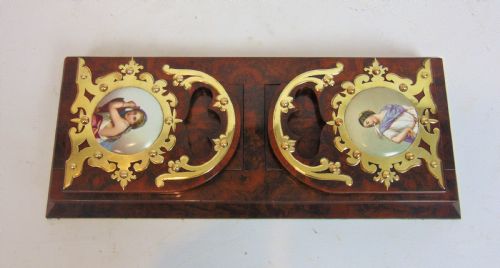

Gothic Bookstand
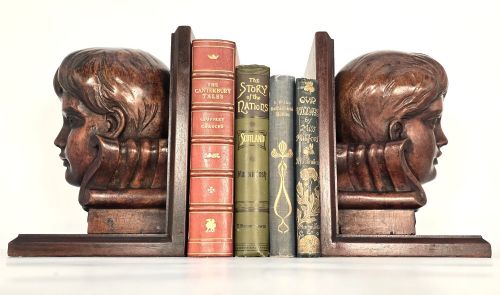
These gothic bookstand pieces combine heavy timber and polished metal to hold your volumes firmly in place upon any desk.
Gothic Bookstand
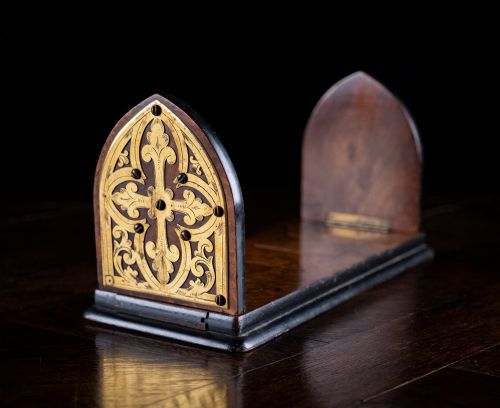
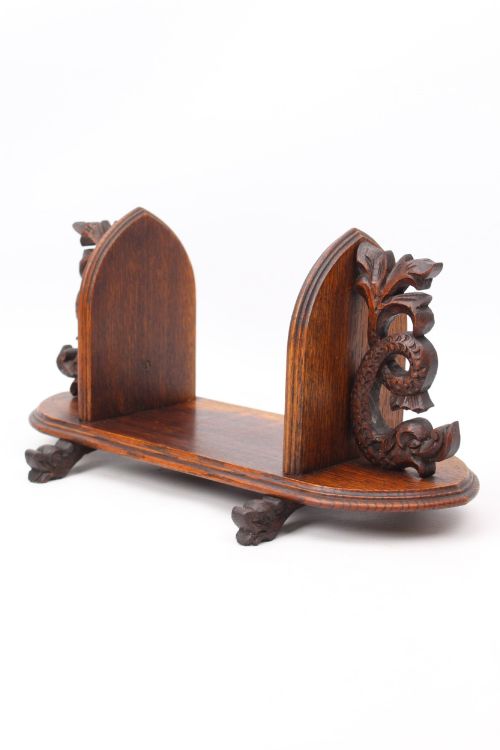
The version most commonly met on this page is the extending book slide, frequently fashioned from walnut or oak and fitted with metal mounts. Such pieces adapt in length to accommodate varying quantities of books.
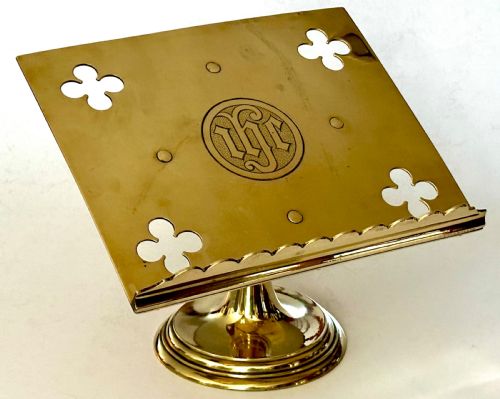
Makers of the period also produced standalone lecterns and brass-mounted book holders, drawing heavily upon architectural motifs of the nineteenth century. These forms reflect the prevailing taste for revivalist design in domestic interiors.
Materials and construction
Carpenters utilised dense hardwoods such as walnut, oak, mahogany, maple, and burr walnut as the primary structural bodies for these pieces. Ebonised wood and rosewood also appear amongst the selections.
Metalwork played a defining role, with brass employed extensively for hinges, extending mechanisms, and decorative mounts. Inset painted porcelain plaques occasionally provided contrasting colour against the timber.
Gothic Bookstand Retail Price Guide 2026
Typical asking prices for gothic bookstand among the pieces listed under this phrase on Sellingantiques today, from the lower quarter to the upper quarter. They describe what is for sale here now, not the wider market.
Listings span the Victorian and Edwardian eras, predominantly featuring walnut, oak, and brass materials configured as book slides and lecterns.
Judging quality
The distinction between standard items and superior examples lies in the depth and crispness of the carving upon the timber. Finer pieces display deliberate hand-chiselled details rather than superficial surface stamping.
Materials dictate upper tiers of craftsmanship, particularly where burr walnut or figured mahogany meets heavy, substantial brass framing. The smoothness of any extending action also separates practical utility from stiffness.
The Gothic Bookstand Glossary
- Gothic Revival
- An architectural and decorative style drawing inspiration from medieval forms, pointed arches, and ecclesiastical motifs. This aesthetic dominated much of nineteenth-century design.
- Book slide
- An extending desk accessory designed to hold a row of volumes upright between two upright ends. The central base slides outwards to lengthen the span.
- Lectern stand
- A sloping reading desk designed to hold a book at an inclined angle for easier consultation. These items often feature architectural framing.
- Burr walnut
- Timber taken from a tree growth featuring intricate, swirling grain patterns highly prized for decorative furniture and desk accessories. It provides a rich visual texture.
Gothic Bookstand: Frequently Asked Questions
What is a gothic bookstand used for?
These items were designed to organise and display reference volumes upon a library table or desk.
They keep books upright and within reach during study or reading.
What woods are typical for these stands?
Carpenters relied heavily upon durable timbers such as oak, walnut, and mahogany.
More decorative examples incorporate burr walnut, maple, or rosewood alongside brass components.
How do I date a Victorian book stand?
Dating relies upon stylistic cues, material choices, and construction methods associated with the nineteenth century.
References to the Victorian period or specific decades like eighteen-sixty help anchor the piece in time.