





Gothic Bedroom Chair
A gothic bedroom chair brings architectural timber and rich velvet into smaller private spaces, offering distinctive seating with deep historic roots.
Gothic Bedroom Chair
A gothic bedroom chair is typically encountered as a Victorian revival piece, drawing on medieval architectural motifs for domestic use. The selection spans the nineteenth century, from eighteen fifty to nineteen hundred, alongside occasional early twentieth-century interpretations.
Forms on this page include prayer chairs, nursing chairs, hall chairs, and occasional side chairs. These smaller seating formats were designed for intimate domestic spaces rather than grand reception rooms.
Makers and designers of the period adapted gothic tracery and pointed arches for domestic comfort, combining sturdy timber frames with upholstered pads.
Materials and Construction
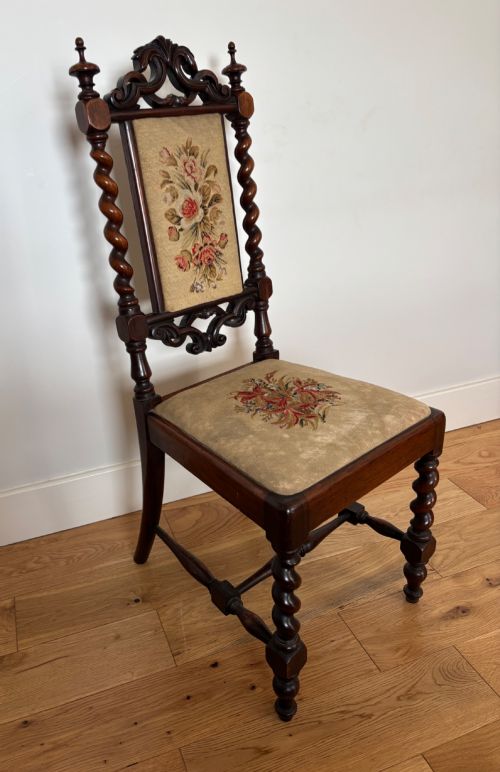
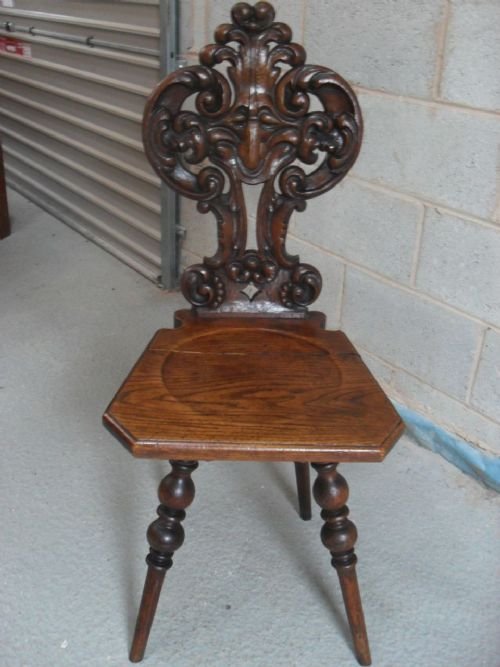
Frames rely on dense hardwoods such as mahogany, rosewood, oak, and pitch pine, selected for their strength and rich grain. Timber is carved with characteristic pointed arches, fretwork, and linenfold panels.
Upholstery materials include traditional fabric, velvet, and specialised upholstery fabric, often secured with brass tacks. These textiles soften the rigorous architectural lines of the carved wooden framework.
Gothic Bedroom Chair Retail Price Guide 2026
Typical asking prices for gothic bedroom chair among the pieces listed under this phrase on Sellingantiques today, from the lower quarter to the upper quarter. They describe what is for sale here now, not the wider market.
Recorded materials span traditional solid hardwoods like oak and mahogany alongside velvet, brass accents, and various upholstered textile finishes.
Distinctions in Quality
Quality rests upon the crispness of the timber carving and the integrity of the joinery within the frame. Sharply defined tracery and well-figured mahogany or rosewood distinguish finer examples from simpler pine or utilitarian workshop output.
The choice of primary wood and the complexity of the turned or carved details determine the standing of each piece. Heavy oak and highly polished rosewood command attention through their material presence and depth of finish.
Bruce J. Talbert
The Gothic Bedroom Chair Glossary
- Prie Dieu
- A low-backed prayer chair designed for private devotion, featuring an upper rest or rail. These chairs are frequently encountered in rosewood or mahogany during the Victorian period.
- Gothic Revival
- An architectural and decorative style that revived medieval forms from the mid-eighteenth century onwards. It dominates the nineteenth-century pieces recorded in these archives.
- Nursing Chair
- A low seat designed to allow a mother to tend to an infant comfortably in a bedroom or nursery. They often feature padded upholstery and lack arms to accommodate voluminous nineteenth-century skirts.
- Side Chair
- A light, un-armed chair designed for occasional use around a bedroom, hall, or parlour. These pieces are easily moved and reflect the specific aesthetic tastes of their era.
- Fret Back
- A chair back pierced with decorative patterns, often geometric or architectural in inspiration. This technique lightens the visual weight of dense timbers like oak or mahogany.
Gothic Bedroom Chair: Frequently Asked Questions
What is a prie dieu chair?
A prie dieu chair is a specialised devotional seat with a tall, narrow back incorporating a padded top rail for kneeling or leaning. They were popular in Victorian bedrooms for private prayer.
These pieces typically sit lower to the ground than standard dining chairs and often feature rich rosewood or mahogany frames paired with velvet upholstery.
How do I date a gothic chair?
Dating relies on timber choice, carving style, and upholstery methods. Mid-nineteenth-century examples often display dense rosewood or mahogany with crisp Gothic Revival motifs.
Later pieces from the end of the century shift towards oak, pitch pine, or lighter satinwood formats influenced by subsequent revival movements.
Where were these chairs placed?
These chairs were intended for private domestic quarters, including bedrooms, dressing rooms, and small upper parlours. Their modest scale suited intimate residential spaces.
Unlike heavy dining or library furniture, occasional and nursing chairs were easily repositioned near a fireplace or window.
Are these chairs comfortable?
Comfort varies depending on the specific form and original domestic function. Prie dieu and nursing chairs prioritize low seating positions and padded upright backs.
Because they were built for specific domestic tasks rather than prolonged lounging, their seats are firmer and more upright than modern armchairs.