



Golden Timber Chest
A golden timber chest brings warmth and rich grain into a room, offering practical storage finished in figured woods.
Golden Timber Chest
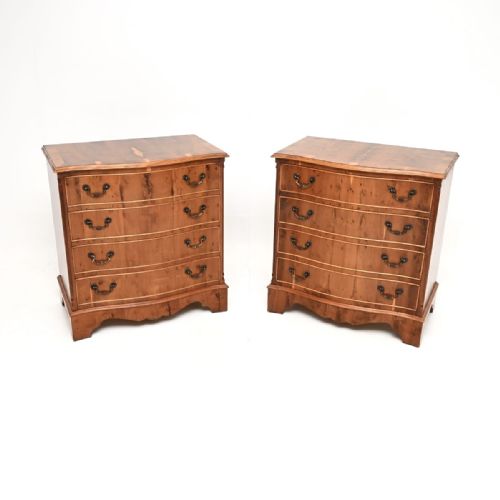
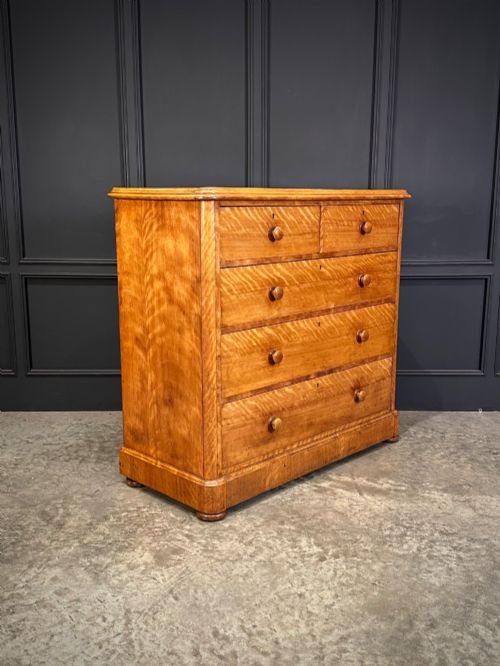
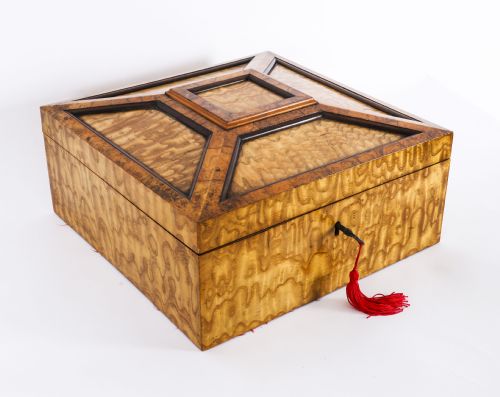
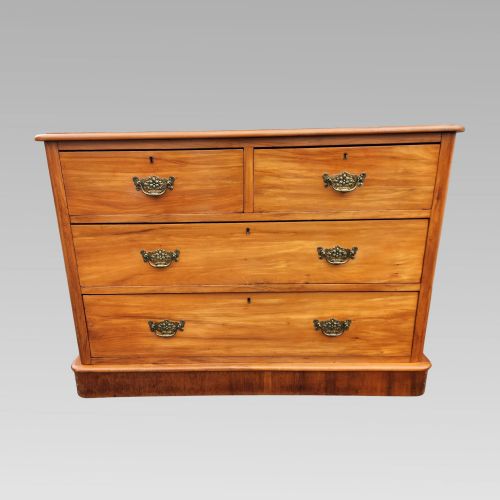
When searching for a golden timber chest, buyers encounter a variety of forms including chests of drawers, trunks, caskets, and cabinets originating from periods ranging from the seventeenth century through to the Edwardian era.
The pieces appearing on this page showcase light and figured timbers such as satinwood, burr maple, burr walnut, camphor wood, and satin birch, often taking the form of large trunks or traditional chests of drawers.
Originating from diverse stylistic traditions including Georgian, Victorian, Edwardian, Campaign, and William and Mary, these items combine functional storage with decorative presence.
Materials and construction
Construction relies heavily on distinctive timbers like satinwood and burr walnut, frequently paired with brass bindings or subtle shell inlays that highlight the natural grain.
Joinery and surface preparation reflect the period of manufacture, utilising solid pine and exotic woods shaped into sturdy trunks, cabinets, and chests.
Golden Timber Chest Retail Price Guide 2026
Typical asking prices for golden timber chest among the pieces listed under this phrase on Sellingantiques today, from the lower quarter to the upper quarter. They describe what is for sale here now, not the wider market.
Current listings feature pieces spanning the seventeenth century to the Edwardian era, utilising materials such as satinwood, burr maple, brass, and camphor wood.
Judging quality in golden timber
Quality rests in the intensity and selection of the wood figure, where tightly patterned burr maple or richly figured satinwood elevates a piece above plain surfaces.
The integrity of original brass mounts, handles, and delicate inlays distinguishes finer examples from later alterations or heavily restored items.
The Golden Timber Chest Glossary
- Satinwood
- A durable hardwood with a lustrous, golden-yellow sheen that takes a high polish. It was widely favoured for fine cabinet making and decorative veneers.
- Burr Walnut
- Timber taken from a tree growth or burr, producing swirling, intricate grain patterns. It is prized for decorative veneering on fronts of drawers and caskets.
- Campaign
- Furniture designed to dismantle or fold for military travel, typically fitted with recessed brass handles and corner brackets. These pieces are robust and practical.
- Inlay
- A technique where contrasting materials such as shell or lighter woods are inserted into recesses in the primary wood surface to create decorative patterns.
Golden Timber Chest: Frequently Asked Questions
How were these chests used?
Historically, these pieces fulfilled various storage needs depending on their scale. Smaller caskets and boxes held tea or valuables, while camphor wood trunks protected garments during long voyages.
Larger chests of drawers and cabinets provided domestic storage for clothing and household linens in period bedrooms and parlours.
How do I date a wooden chest?
Dating relies on observing the combination of timber species, construction methods, handles, and stylistic details. Pieces from the seventeenth century often feature elaborate burr veneers, while Georgian and Victorian examples display distinct inlay work and proportions.
Secondary woods inside drawers and the style of brass hardware offer further clues to the manufacturing period.
How do I care for satinwood?
Satinwood benefits from being kept away from direct sunlight and extreme temperature fluctuations to prevent the wood from drying out or fading. Gentle dusting with a soft cloth maintains the natural lustre.
Occasional application of appropriate furniture wax helps nourish the timber without clouding the fine grain.