


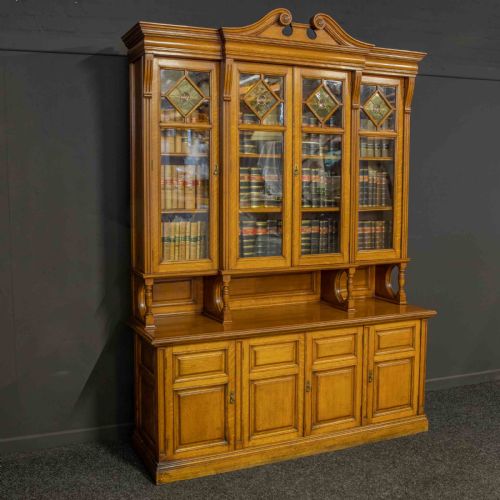


Golden Oak Bookcase Cupboard
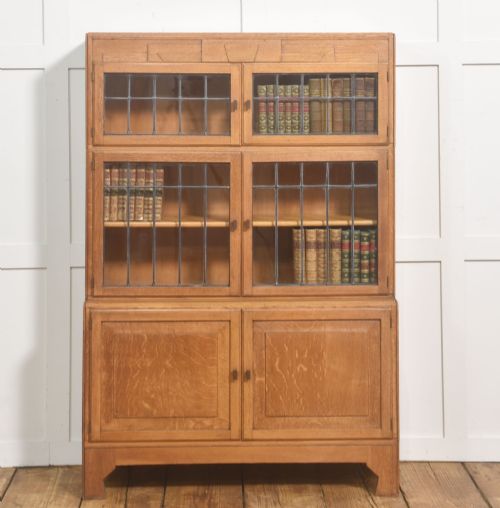
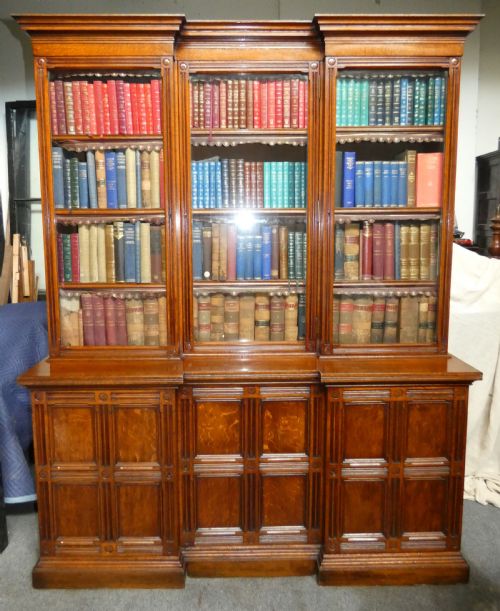
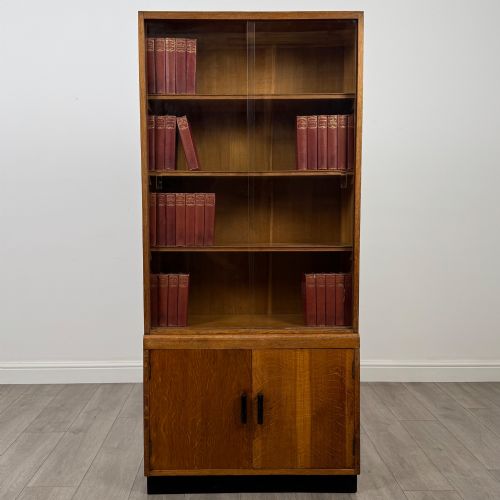
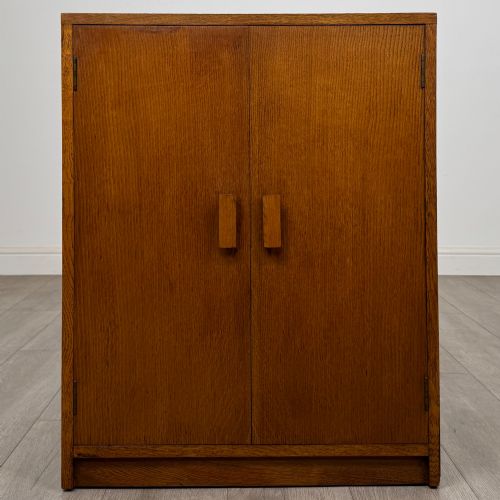
These golden oak bookcase cupboard pieces combine open shelving and enclosed storage in rich, warm timber, perfect for housing a serious library.
Golden Oak Bookcase Cupboard
A golden oak bookcase cupboard serves as a dual-purpose room centrepiece, uniting display shelves for books with secure lower storage behind solid or glazed doors. The selection here spans Victorian, Edwardian, and later twentieth-century iterations, showing how makers adapted the form across decades.
You will encounter open library shelving alongside glazed cabinets and fitted cupboards, frequently executed in native oak, pollard oak, or burr wood. The golden oak examples bring a bright, honeyed tone to traditional domestic interiors.
Stylistic variation runs from strict Victorian utility through Jacobean revival carving to streamlined Art Deco and mid-century interpretations. Pieces range from tall stacking barrister formats to substantial dual-section library furniture.
How they were made
Carpenters constructed these cabinets primarily from solid oak and golden oak, often incorporating burr wood or pollard oak veneers to create striking grain patterns on door panels and cornices. Glass panels in the upper display sections were held securely by lead or wooden glazing bars.
Hardware such as brass hinges, escutcheons, and handles provided functional accents to the heavy timber frames. Carved detailing and revival motifs were hand-chiselled by cabinetmakers during the Victorian and Edwardian periods.
Listings feature oak, pollard oak, burr wood, brass, and lead, spanning Edwardian, Victorian, Art Deco, and Gothic Revival styles.
What varies in quality
Quality rests on the selection of timber, where figured golden oak, pollard oak, or burr wood displays superior natural grain contrast and depth. The choice of quarter-sawn oak prevents warping and yields distinct medullary rays across the surfaces.
Joinery standards define the upper tier, seen in tight dovetail joints on drawers, well-fitted door panels, and original brass hardware. Elaborate carved enrichment or clean, balanced proportions distinguish bespoke workshops from standard production items.
A Blain & Son Liverpool·Gillows
The Golden Oak Bookcase Cupboard Glossary
- Golden oak
- A warm, honey-toned finish applied to or naturally aged in oak furniture, popular during the late nineteenth and early twentieth centuries.
- Pollard oak
- Timber taken from trees that have been pollarded, producing dense, highly figured growth rings prized for decorative cabinet panels.
- Barrister bookcase
- A modular bookcase featuring stacking sections with glazed upward-lifting doors, designed for easy access to legal libraries.
- Secretaire
- A cabinet incorporating a pull-down writing desk drawer fitted with small compartments and pigeonholes.
- Glazing bar
- A narrow wooden or metal strip that holds individual panes of glass within a cabinet door frame.
Golden Oak Bookcase Cupboard: Frequently Asked Questions
How do I date a golden oak bookcase cupboard?
Examine the construction methods, hardware, and stylistic indicators such as carved Jacobean revival motifs or clean Art Deco lines. Period markers often appear in the transition from heavy Victorian proportions to lighter Edwardian or twentieth-century designs.
Timber choice and finish also help narrow the timeframe, as specific tones like golden oak gained prominence during particular decades of manufacture.
What is the difference between an open bookcase and a cabinet?
An open bookcase provides accessible shelving for book storage without doors, whereas a cabinet incorporates enclosed storage behind solid or glazed panels.
Combination pieces unite both formats by placing open or glazed shelves above a closed cupboard base.
How should I care for golden oak furniture?
Keep timber pieces away from direct sunlight and steady heat sources to prevent the wood from drying out or splitting. Dust regularly with a dry cloth and occasionally feed the surface with an appropriate furniture wax.
Avoid using silicone-based sprays, which can build up on the finish and dull the natural grain of the oak.