
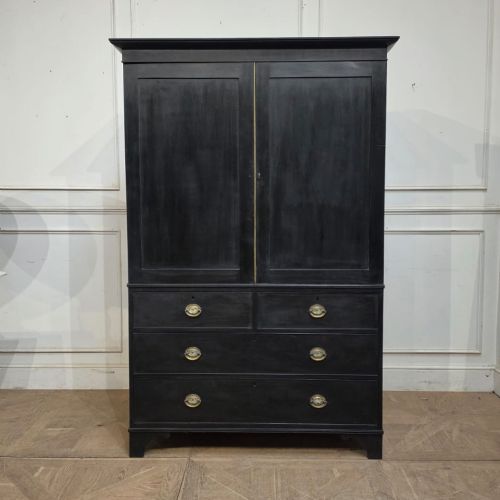
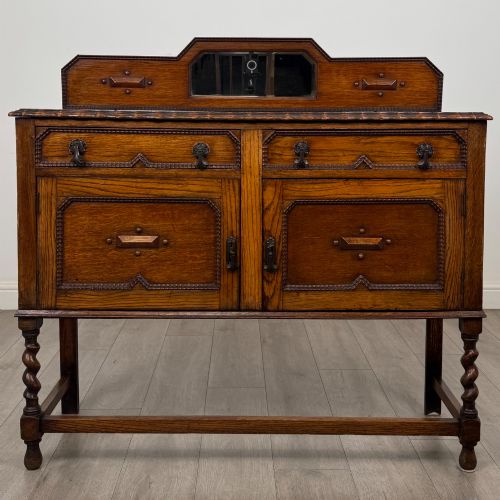
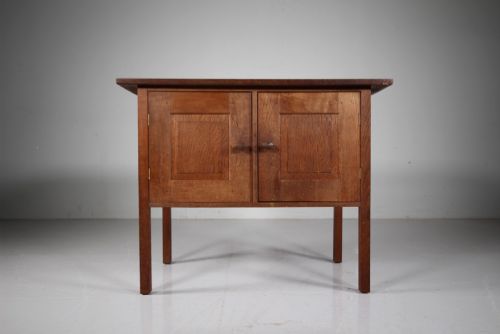
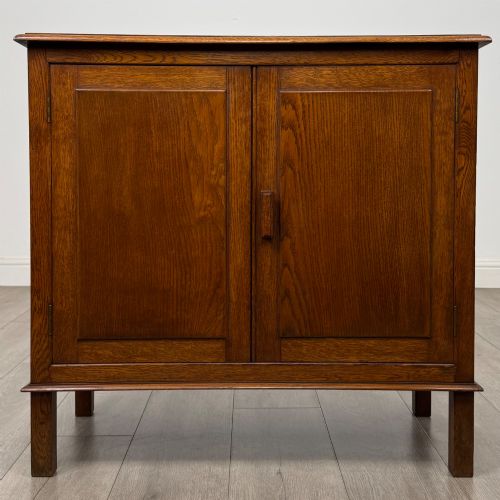
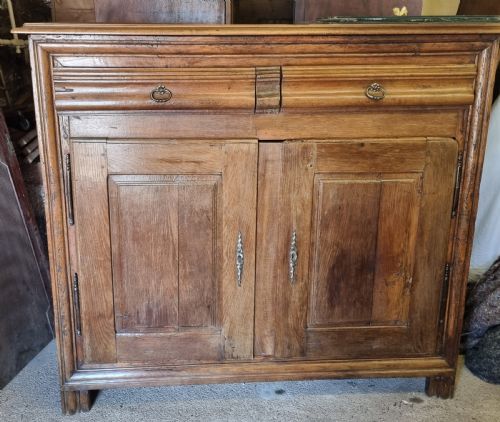
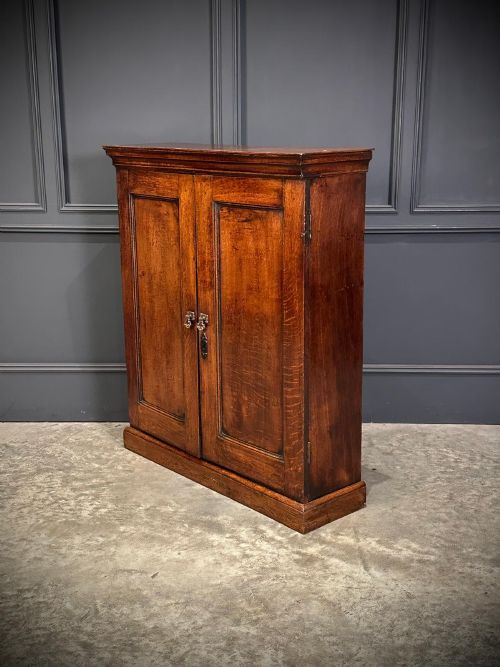
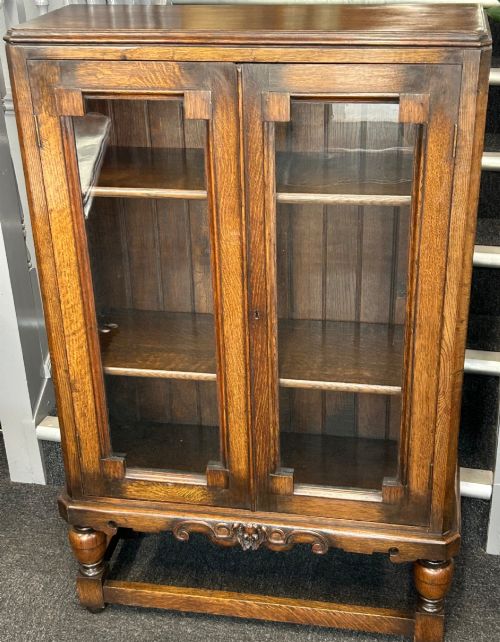
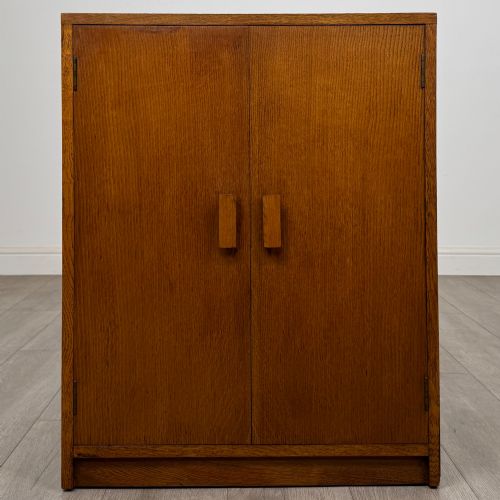
Vintage Oak Two Door Cabinet
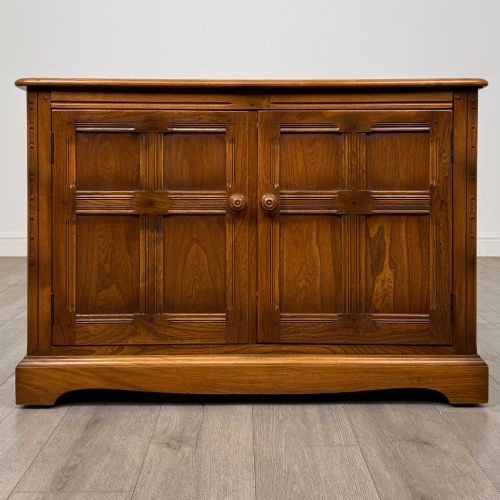
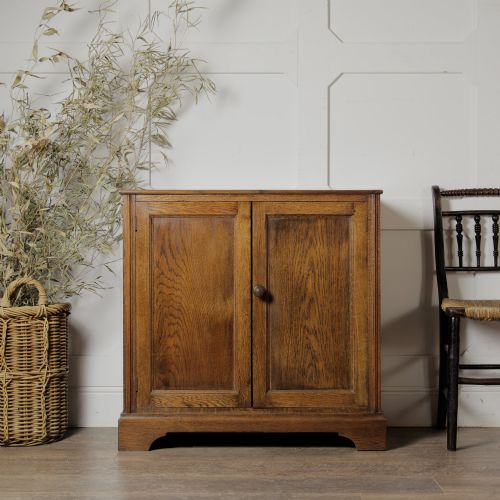
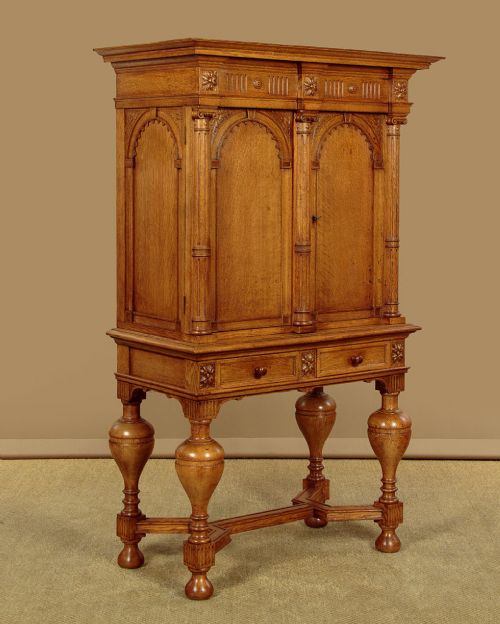
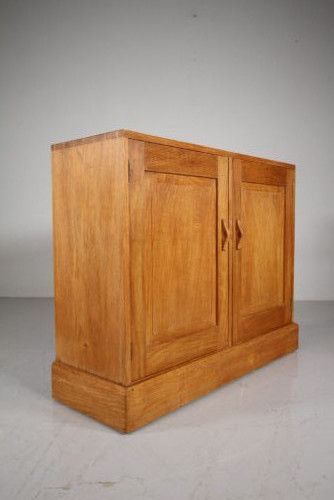
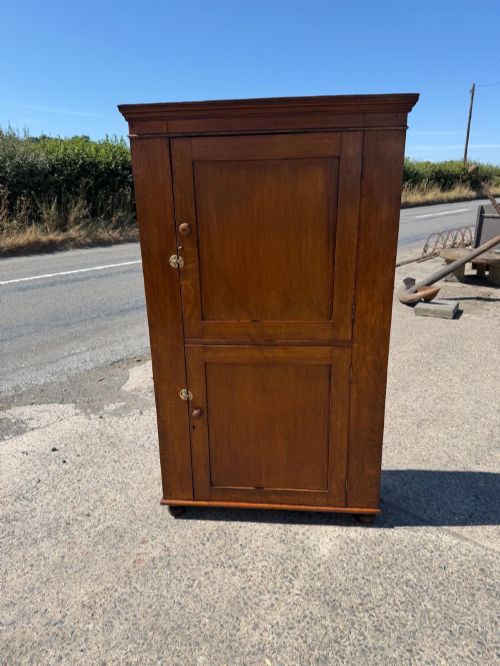
A vintage oak two door cabinet provides dependable storage while showing the rich grain of native timber.
Vintage Oak Two Door Cabinet
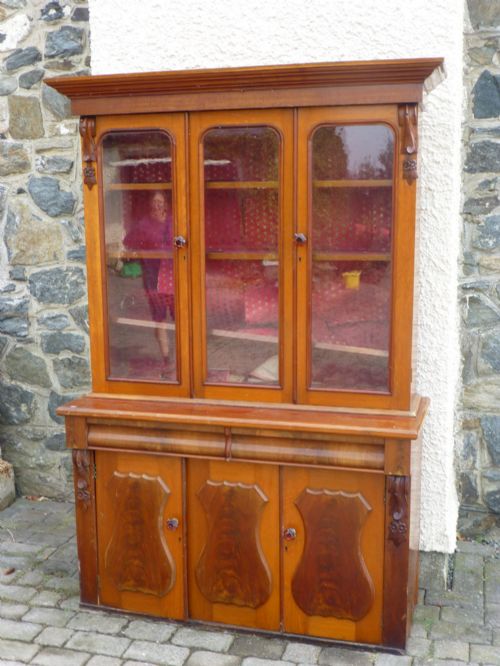
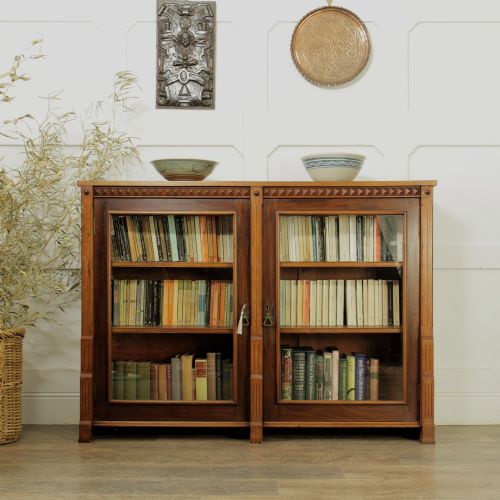
A vintage oak two door cabinet brings together functional storage and the distinct figuring of hardwood, appearing across periods from the Georgian era through the twentieth century. These pieces encompass low cupboards, glazed bookcases, and fitted sideboards created in styles ranging from Edwardian restraint to Jacobean Revival and Art Deco.
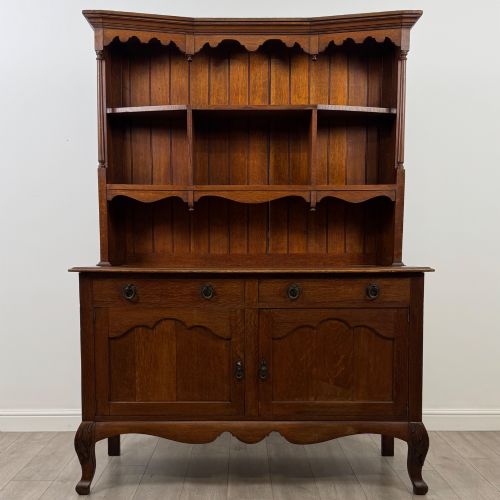
The most common examples on this page date from the early twentieth century, particularly the 1920s and 1930s, often rendered in golden oak or light oak. Alongside straightforward utilitarian cupboards, the selection includes regional variations such as French provincial pieces, Cotswold School designs, and Welsh dressers.
Form follows function closely in these items, shifting from tall glazed bookcases intended for display to low standing cupboards and sideboards built for everyday household storage. Buyers encounter both solid timber construction and traditional veneered surfaces across these diverse forms.
Materials and construction methods
Makers relied principally on solid oak and golden oak, sometimes complemented by secondary timbers such as mahogany, fruitwood, and pine. Surfaces frequently highlight the natural medullary rays of the wood through quarter-sawing, while other pieces employ limed finishes or dark ebonising.
Hardware played a functional and decorative role, incorporating brass handles, iron hinges, and leaded glass panels within bookcase doors. Construction methods combined traditional joinery with period-specific veneering techniques, particularly on twentieth-century glazed cabinets and sideboards.
One recorded bookcase carries hand sign-written details created specifically for the British Broadcasting Company.
Distinctions in craftsmanship and design
Quality rests heavily on the selection of timber and the precision of the joinery, distinguishing standard utility pieces from works produced by notable makers and workshops. Pieces exhibiting thoughtful proportions and purposeful integration of hardware stand apart from anonymous mass-produced items.
The sophistication of surface treatment and carving defines the upper tier, whether through crisp Jacobean revival motifs or the restrained lines associated with the Cotswold School and firms like Heal's. Original glazing, intact leadwork, and stamped maker signatures further elevate the standing of an individual cabinet.
Peter Waals·Heals of London·Maple and Co·Globe Wernicke
The Vintage Oak Two Door Cabinet Glossary
- Golden oak
- A warm, honey-toned finish applied to oak furniture, particularly popular during the Edwardian period and the early twentieth century.
- Glazed bookcase
- A cabinet featuring glass-panelled doors designed to display books while protecting them from dust.
- Cotswold School
- An arts and crafts design movement centred in Gloucestershire that emphasised traditional hand-tooling and honest construction in solid wood.
- Cross-banded
- A decorative border technique where veneer strips are laid perpendicularly to the surrounding grain.
- Bun feet
- Rounded, flattened ball feet commonly found supporting Victorian and earlier cupboards.
Vintage Oak Two Door Cabinet: Frequently Asked Questions
How do I date a vintage oak cabinet?
Dating relies on combining stylistic clues with construction methods, such as hardware types, timber finishes, and overall proportions. Pieces from the 1920s and 1930s often display lighter finishes and simpler lines compared to heavier Victorian or Revival designs.
Examining the interior backboards and drawer construction provides further clues to the manufacturing decade. Comparing these details against known period characteristics helps narrow down the era of production.
Are these cabinets solid oak?
Many examples are constructed from solid English or continental oak, though some twentieth-century pieces utilise oak veneers over stable secondary woods. Veneering allowed makers to display striking grain patterns without risking the warping often associated with wide solid boards.
Inspecting edges, door panels, and interior surfaces reveals whether the timber is solid throughout or applied as a veneer. Both methods were standard practice during their respective periods of manufacture.
How should I care for golden oak furniture?
Maintain golden oak surfaces by dusting regularly with a soft, dry cloth and avoiding silicone-based polishes that build up over time. Applying occasional natural beeswax preserves the moisture and lustre of the timber without harming the finish.
Keep these cabinets away from direct sunlight and radiators to prevent the wood from drying out or splitting. Stable room temperatures ensure the timber and joinery remain secure.
What rooms suit a low oak cupboard?
Low cupboards work well in living rooms, hallways, and dining spaces where surface area and enclosed storage are both required. Their modest height allows them to sit beneath windows or display lamps and decorative objects on top.
The versatile proportions of these cabinets make them practical for modern interiors seeking traditional warmth. They integrate easily alongside contemporary furniture while providing functional concealment for household items.