



Gold Wall Display
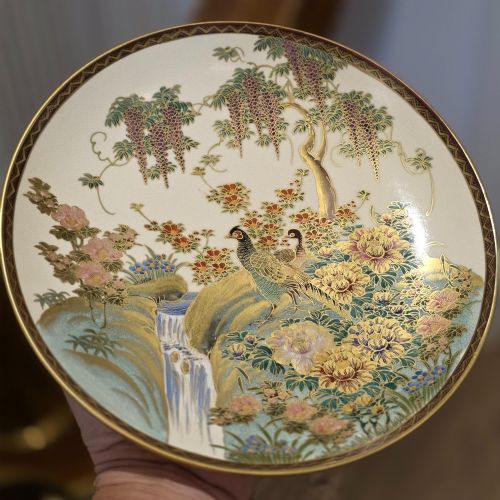
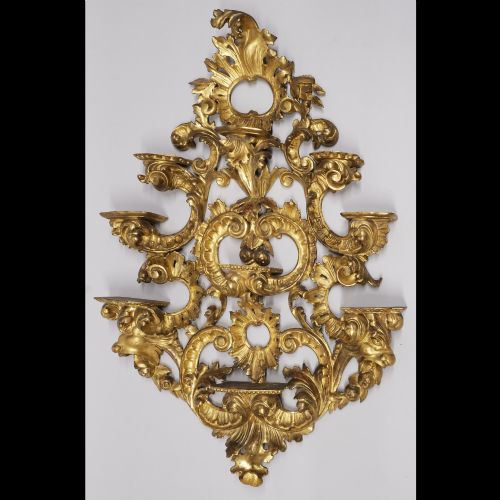
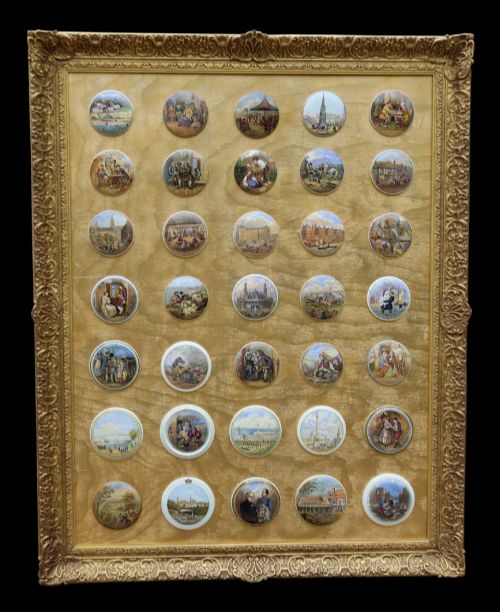
A gold wall display brings together gilded frames, painted porcelain plates and carved wood brackets designed to hold objects on a wall.
Gold Wall Display
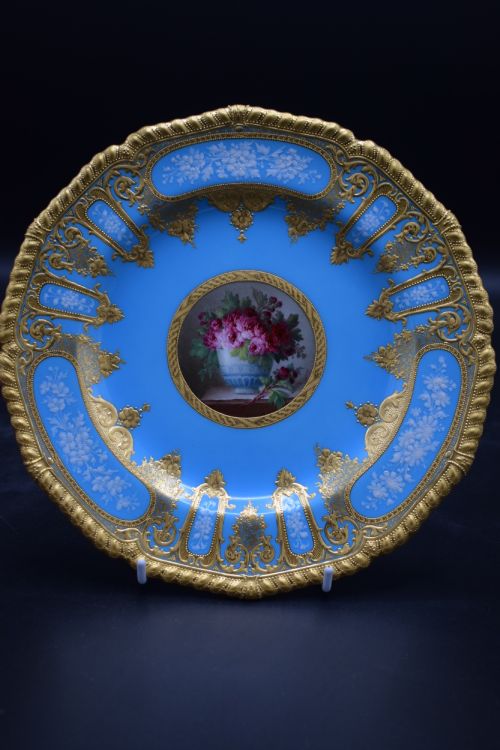
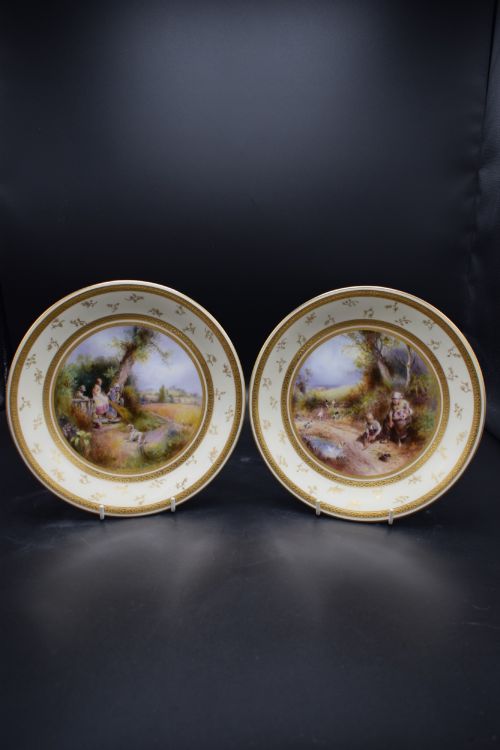
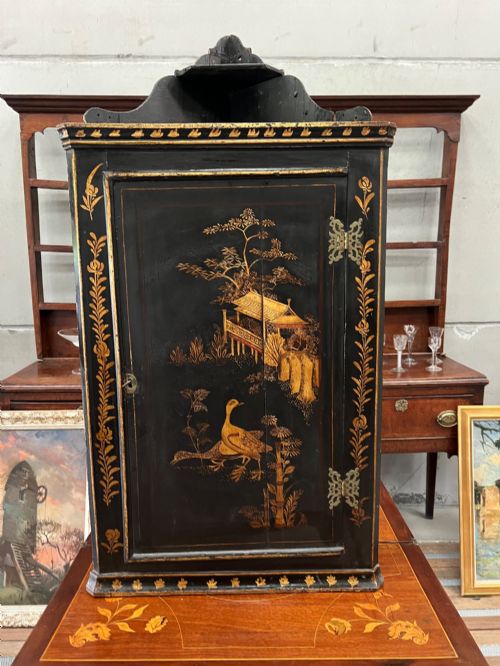
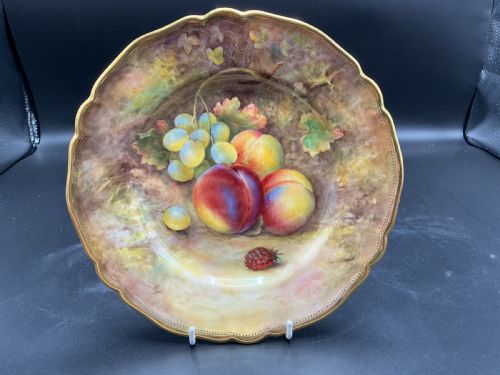
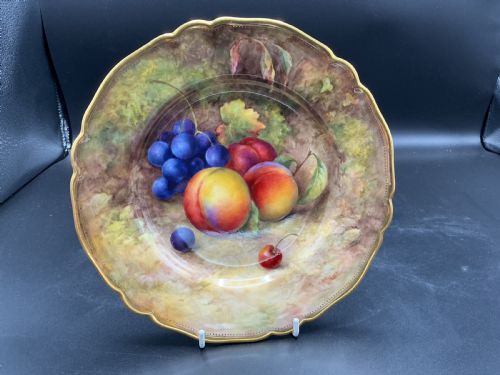
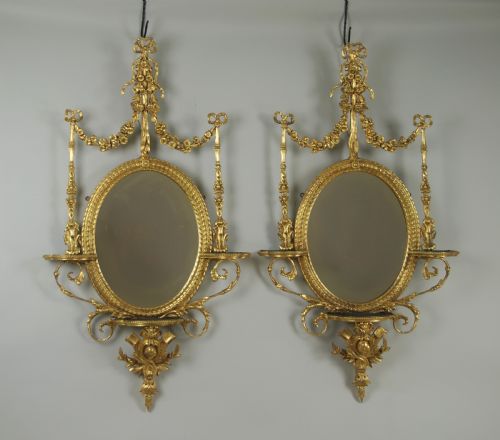
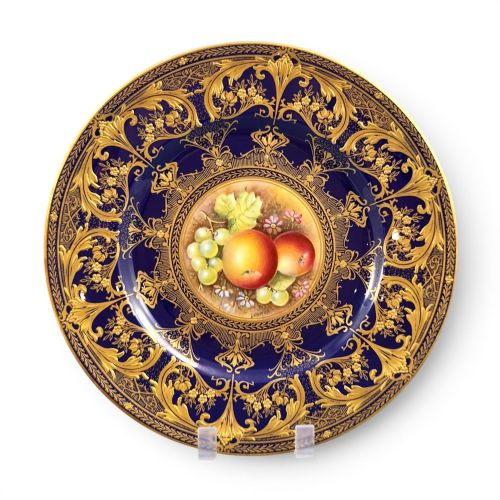
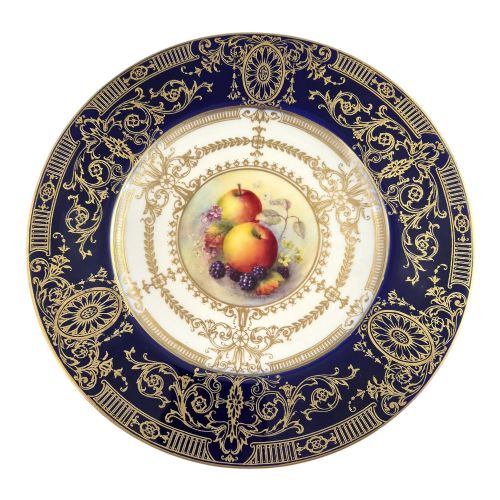
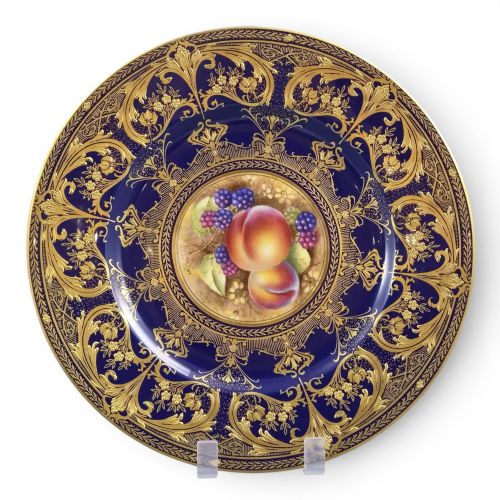
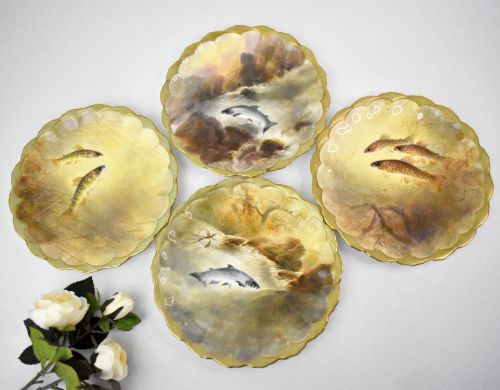
When searching for a gold wall display, a buyer encounters a diverse group of objects spanning the nineteenth and twentieth centuries, including giltwood brackets, porcelain cabinet plates and ornate wall mirrors.
The pieces most frequently met on this page combine reflective gilded surfaces with decorative arts meant to be mounted directly onto a wall.
Objects range from carved wooden display shelves originating in the Victorian and Edwardian eras to hand-painted bone china and porcelain chargers from English and continental factories.
How they were made
Makers utilised wood, gesso and gold leaf to construct carved wall brackets and mirror frames, applying thin layers of metal leaf over prepared plaster grounds.
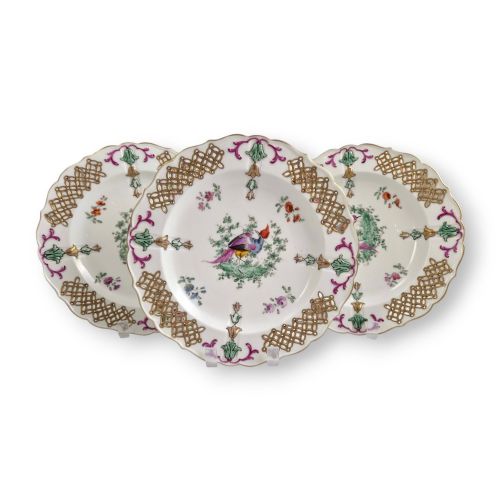
Ceramic items such as cabinet plates and chargers rely on porcelain or bone china bodies decorated with hand-painted enamels and intricate gilt borders.
Metalwork pieces incorporate cast brass, bronze and silver gilt formed through traditional engraving and chasing techniques.
Gold Wall Display Retail Price Guide 2026
Typical asking prices for gold wall display among the pieces listed under this phrase on Sellingantiques today, from the lower quarter to the upper quarter. They describe what is for sale here now, not the wider market.
Object types span cabinet plates, decorative plates, wall brackets, wall mirrors, wall art, oil paintings and wall cabinets.
What varies in quality
The standard of a gold wall display depends largely on the crispness of the hand-carved detail in wooden brackets and the finesse of the hand-painted brushwork on porcelain surfaces.
Higher quality examples exhibit secure application of gold leaf and well-preserved gilding without excessive rubbing, alongside artist signatures or documented factory marks on ceramic items.
Construction methods also separate standard production pieces from finer items, particularly in the joinery of display shelves and the clarity of bevel-cut glass in mirrors.
Royal Worcester·Royal Crown Derby·Meissen·Royal Doulton
The Gold Wall Display Glossary
- Cabinet plate
- A decorative ceramic plate intended for display rather than dining use. These often feature hand-painted fruit, floral or figural scenes and rich gilding.
- Giltwood
- Timber, usually soft or hardwood, that has been coated with gold leaf or gold paint. It forms the basis of many ornate nineteenth-century frames and brackets.
- Charger
- A large decorative plate or dish used historically for ceremonial display on a sideboard or mounted upon a wall.
- Gesso
- A plaster-like mixture applied to wood surfaces as a smooth base for subsequent gilding. It allows craftsmen to model intricate relief ornamentation.
- Cloisonne
- An ancient metalworking technique employing wire partitions soldered to a metal base to enclose coloured enamel paste. The piece is then fired and polished.
Gold Wall Display: Frequently Asked Questions
How do I hang a heavy gold wall bracket?
Wall brackets carved from giltwood require secure fixings into wall studs or appropriate masonry anchors to support their weight safely.
Heavier display shelves benefit from professional installation to ensure the bracket remains stable when holding decorative objects.
Are cabinet plates meant for dining?
Cabinet plates are created strictly for visual appreciation rather than functional table service. Their delicate hand-painted enamels and heavy gilding are vulnerable to cutlery and frequent washing.
Displaying them securely on a wall or within a cabinet preserves the painted surface.
How do I clean giltwood frames?
Giltwood and gesso surfaces require gentle dusting with a soft, dry brush to prevent damage to the delicate metallic leaf. Moisture can degrade old gilding and should be avoided entirely.
Professional restoration is recommended if the gold leaf begins to flake or separate from the wooden base.
What periods do these pieces cover?
The inventory includes items from the nineteenth century through the mid-twentieth century, encompassing Victorian, Edwardian and Art Deco aesthetics.
Stylistic influences range from English traditional designs to Japanese Meiji period metalwork and European Rococo revival motifs.