
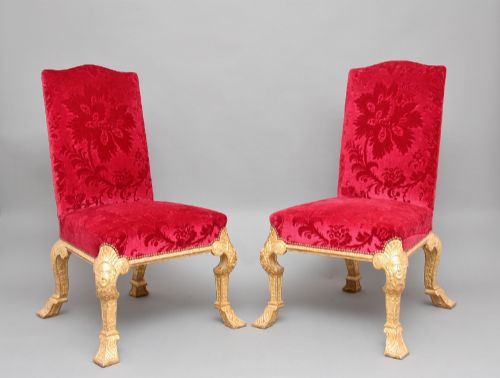
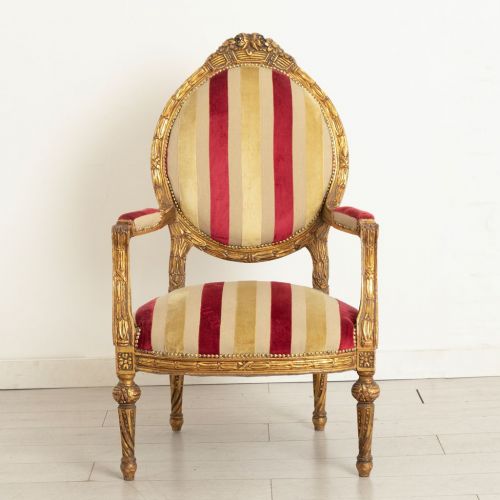


Gold Velvet Accent Chair
A gold velvet accent chair brings warmth and texture to a room through rich fabric paired with historic frames.
Gold Velvet Accent Chair
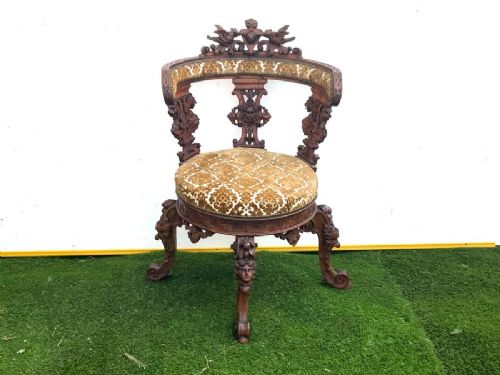
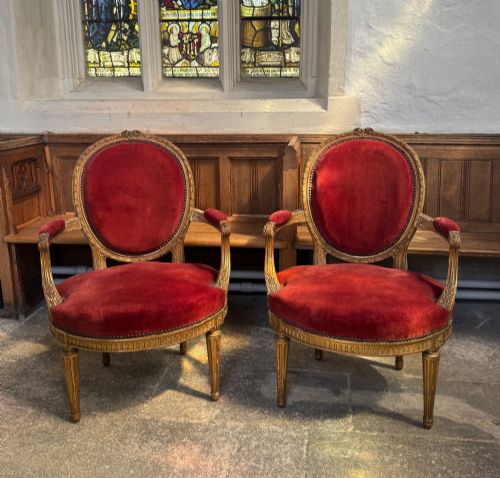
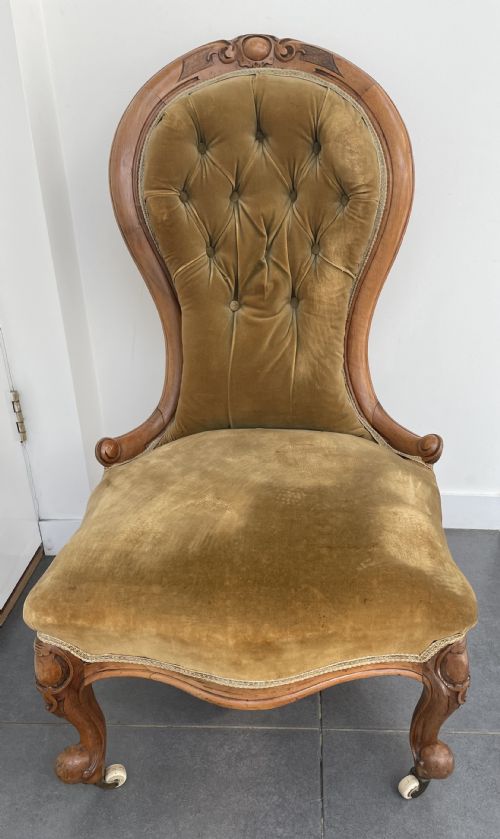
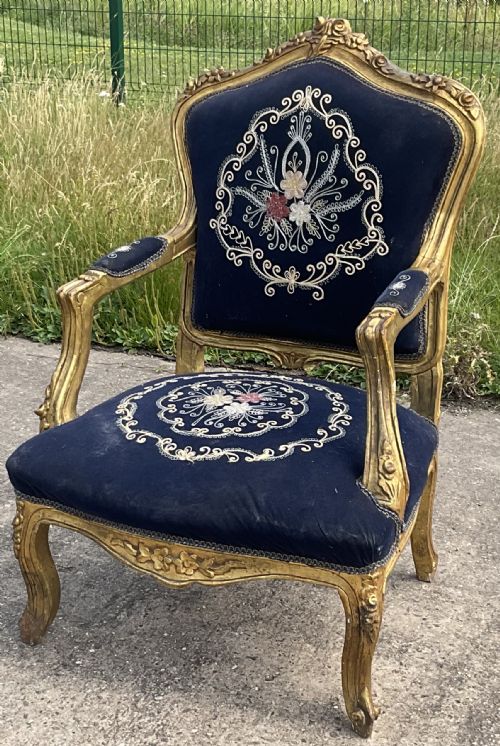
A gold velvet accent chair combines historic seating forms with plush textile upholstery in warm metallic or yellow tones. When exploring this selection, buyers encounter pieces ranging from Victorian walnut and mahogany frames to French giltwood designs.
The assortment includes diverse seating types such as nursing chairs, occasional chairs, and salon chairs dating from the nineteenth and early twentieth centuries. These encompass styles from Victorian and Edwardian periods alongside Louis XVI revivals.
Originating as practical or decorative seating in historic parlours and bedrooms, these chairs function today as striking focal points. Walnut, mahogany, and giltwood frames define the structural variety found across the selection.
Materials and construction methods
Cabinetmakers utilised hardwoods like mahogany, walnut, oak, and padouk to build sturdy chair frames, often employing hand-carving techniques. Giltwood pieces feature fine layers of gold leaf applied over carved wooden bases to achieve a brilliant metallic finish.
Upholstery techniques involve traditional stuffing methods, button backing, and modern velvet replacement fabrics in various gold shades. Brass castors and turned wooden legs frequently complete the lower framework of Victorian and Edwardian examples.
Gold Velvet Accent Chair Retail Price Guide 2026
Typical asking prices for gold velvet accent chair among the pieces listed under this phrase on Sellingantiques today, from the lower quarter to the upper quarter. They describe what is for sale here now, not the wider market.
Listings feature velvet upholstery paired with brass, giltwood, mahogany, walnut, ceramic, and hardwood across Victorian and Edwardian periods.
Distinguishing quality in period seating
The excellence of a piece rests upon the crispness of the hand-carved wood details and the structural integrity of the frame. Original giltwood surfaces and intact show-wood carvings demonstrate superior craftsmanship compared to simpler, plain-timber alternatives.
Proportion and comfort elevate certain chairs, particularly where button-backed upholstery and sprung seats retain their original supportive shape. Maker attribution and the harmony between the carved frame and the velvet covering further separate standard examples from finer works.
Lamb of Manchester·Howard and Sons
The Gold Velvet Accent Chair Glossary
- Giltwood
- Wood coated with thin gold leaf or powder to simulate solid gold decorative surfaces. This finish is typical of French and revival salon chairs.
- Fauteuil
- An open-arm armchair with upholstered back and seat, featuring exposed wooden arms. These chairs originate predominantly from French design traditions.
- Show wood
- Polished or carved wooden framing left visible around the upholstered portions of a chair. Walnut and mahogany are common show-wood materials in Victorian pieces.
- Nursing chair
- A low-seated chair designed originally for comfort near a nursery fire. These items often feature button backs and turned front legs.
- Bobbin turned
- Wood turned on a lathe to resemble a series of rounded bobbins or spools strung together. This decorative turning style appears on nineteenth-century frames.
Gold Velvet Accent Chair: Frequently Asked Questions
How do I identify a Victorian accent chair?
Victorian chairs typically feature dark hardwoods such as walnut and mahogany, often paired with button-backed upholstery and turned wooden legs.
Look for distinctive details like carved show wood frames, ceramic castors, and robust construction typical of the nineteenth century.
Where should I place an occasional chair?
An occasional chair suits bedrooms, quiet corners of a living room, or dressing areas where extra seating is needed without cluttering the floor space.
Pairing a gilded or polished wood frame with rich velvet fabric creates a natural focal point against neutral walls.
What is the difference between a salon and a nursing chair?
Salon chairs are generally taller and more upright, designed for formal sitting rooms and entertaining guests.
Nursing chairs feature lower seats built for comfort near a hearth or bedroom fireplace, frequently accompanied by sprung or buttoned upholstery.