




Gold Swept Frame Art
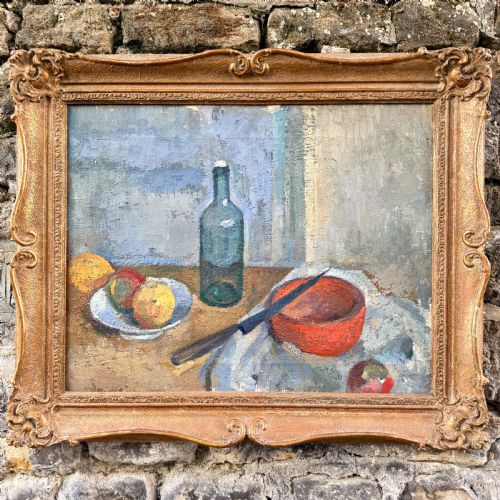
Gold swept frame art combines ornate, curving mouldings with oil paintings and watercolours spanning the Georgian era to the mid-twentieth century.
Gold Swept Frame Art
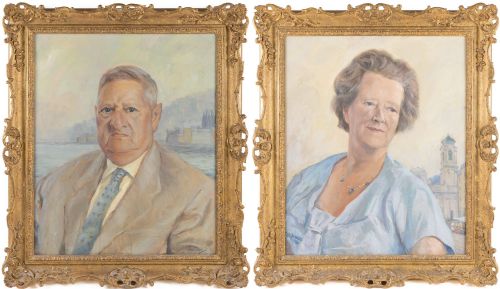
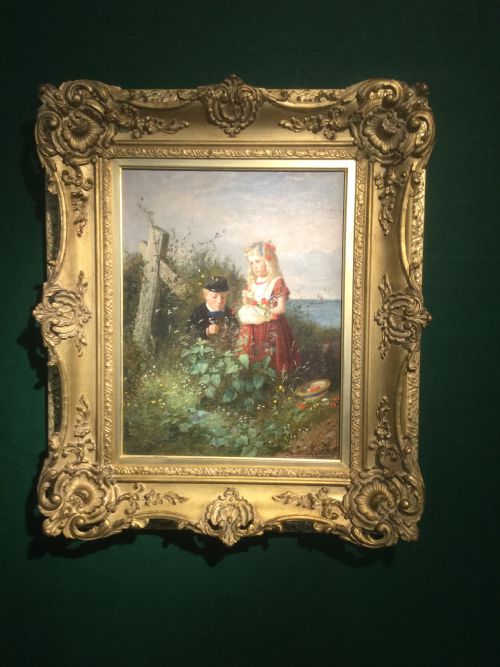
When buyers search for gold swept frame art, they encounter oil paintings, watercolours, and standalone picture frames ranging from the Georgian period through the Victorian era and into the mid-twentieth century. These pieces showcase expansive landscapes, intimate portraits, farmyard scenes, and still lifes housed within deeply moulded, undulating borders.
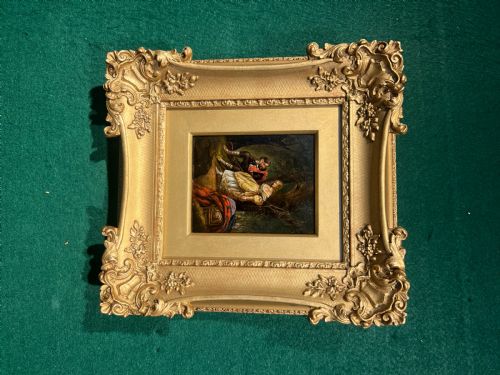
The most common version met on this page is the nineteenth-century oil painting on canvas paired with a heavily ornamented gilt frame. Examples span Scottish school works, continental townscapes, and English country pastorals alongside standalone gesso frames waiting to house a picture.
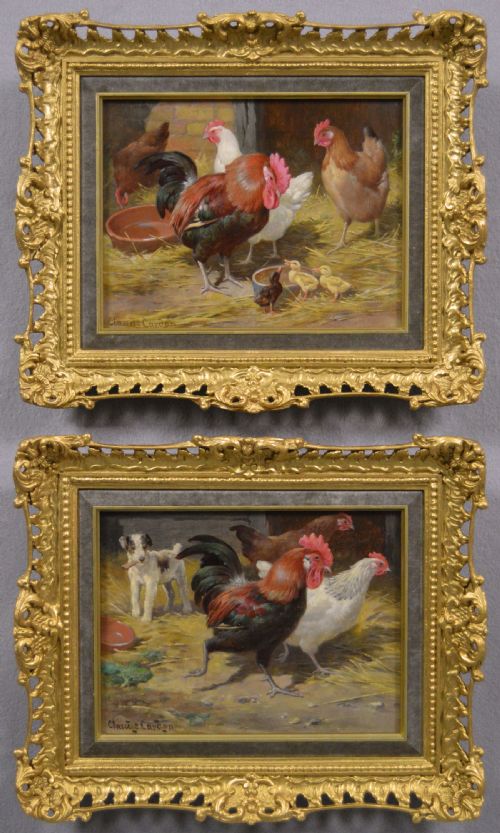
Stylistic variations run from Rococo Revival curves and Art Nouveau flourishes to Impressionist and modernist canvases. Certain listings present pairs of portraits or animal studies, giving a glimpse into period domestic interiors.
Materials and construction
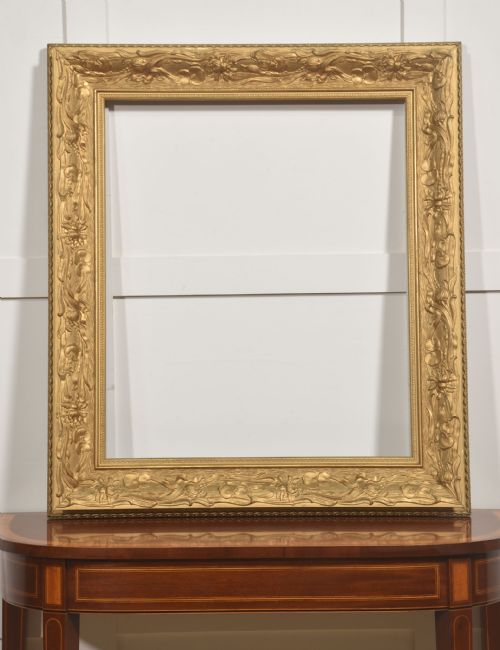
Makers built the foundational structure from timber, layering gesso over the wood to create a smooth surface for sculptural detailing. Artisans then applied gold leaf or gilt paint to achieve the luminous metallic finish characteristic of these surrounds.
Artworks within these borders utilised oil paint on canvas, board, or panel, alongside watercolours on paper. Painters employed traditional techniques from landscape sketching to detailed portraiture before mounting the finished work inside the decorative housing.
Farmyard chickens gaze out from within gilded scrolls, proving that nineteenth-century poultry held considerable decorative ambition.
Judging quality and craftsmanship
Quality rests in the crispness and depth of the gesso mouldings on the frame, where deep, hand-modelled scrolls and corners outshine flat, cast plaster replacements. The preservation of the original gilding without excessive overpainting dictates the visual weight and historical integrity of the piece.
Within the artwork itself, the handling of paint, the stability of the canvas or panel, and the clarity of the composition separate masterly depictions of light and texture from standard decorative output.
Charles Hunt·Claude Cardon·Arthur Herbert Rigg·Robert Eadie·Percival Glenfern·J Barclay·SIR HERBERT HUGHES STANTON·Jeffrey Pratt·William Miller Frazer·William Sidney Cooper·Harold Edward Conway·Ludwig Hermann·George Harrison·George Parson Norman·Owen Bowen·Kenneth Washburn·John Holland Snr
The Gold Swept Frame Art Glossary
- Gesso
- A plaster mixture applied to wood frames to create a smooth base for carving or moulding decorative relief patterns. This substance allowed artisans to achieve sharp, intricate ornamentation before gilding.
- Giltwood
- Timber that has been coated with gold leaf or a gold-coloured metallic finish. It forms the lustrous exterior of traditional ornate picture frames.
- Rococo Revival
- A nineteenth-century design style marked by elaborate, asymmetrical scrolls, shell motifs, and curving organic forms. This aesthetic heavily influenced the sweeping contours of period picture frames.
- Oil on Canvas
- Pigment mixed with drying oil applied to a stretched woven fabric support. This medium permits rich colour blending and textured brushwork.
Gold Swept Frame Art: Frequently Asked Questions
How do I date a gold swept frame?
Dating relies on examining the timber construction, the composition of the gesso layer, and the style of the ornamentation, such as Rococo Revival curves versus later Art Nouveau lines.
Secondary clues include the backing boards, fixings, and the age of the canvas or artwork secured within the rebate.
Can I hang these paintings in modern rooms?
The reflective metallic finish and sculptural depth of these frames allow them to anchor contemporary interior schemes with strong textural contrast.
Pairing traditional pastoral or impressionist subjects with minimalist walls highlights the craftsmanship of the period gilding.
What is the difference between gesso and carved wood?
Carved wood frames feature ornamentation directly chiseled out of the solid timber base by an artisan.
In contrast, gesso frames build up decorative relief by applying a dense plaster mixture over a simpler wooden carcass before gilding.
How should I clean a gilt frame?
Dusting gently with a soft, dry artist brush or a feather duster prevents the accumulation of grime without disturbing fragile gold leaf.
Moisture and chemical cleaning agents must be avoided entirely to protect the historical surface layers from permanent damage.