


Gold Silver Box
Exploring a gold silver box reveals centuries of metalwork mastery, uniting precious yellow and white metals in functional containers designed to hold tobacco, trinkets, and cosmetics.
Gold Silver Box
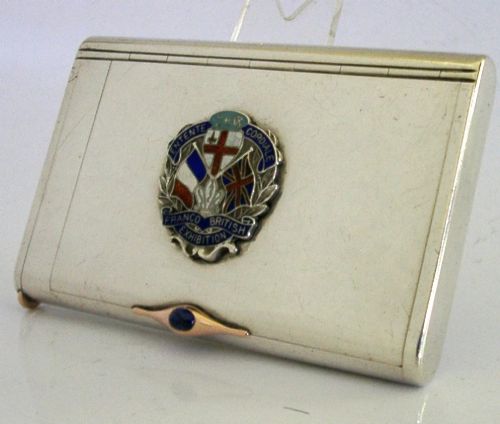
A gold silver box encompasses an array of small personal containers, ranging from Georgian snuff boxes and Victorian vinaigrettes to Edwardian cigarette cases and Art Deco vanity items.
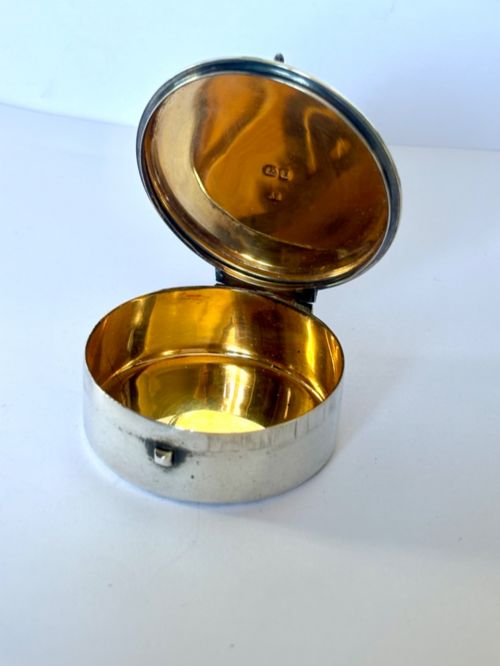
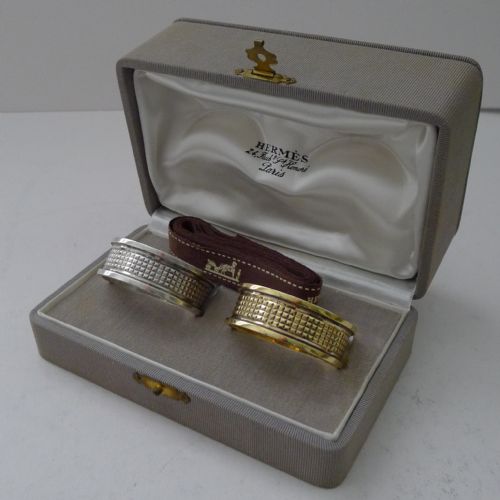
Makers frequently combined silver structures with gold highlights, appliques, or interior gilding, known as silver gilt or vermeil, creating a distinct two-tone visual contrast.
Surviving examples span the eighteenth, nineteenth, and twentieth centuries, reflecting changing domestic habits and social rituals across British, French, and continental workshops.
Materials and Techniques
Silversmiths utilised sterling silver or higher purity continental standards as a foundational substrate, shaping them through casting, raising, or engine-turning.
Applied ornamentation relied on low-melting solders to attach yellow gold appliques, monograms, or chased borders directly onto the white metal surface.
Gilding involved applying a thin layer of gold over silver, executed either through traditional mercury amalgamation or electroplating in later periods.
Several Victorian makers transformed solid silver and gold into articulated fish, complete with hinged scales designed to wriggle when held.
Assessing Quality and Execution
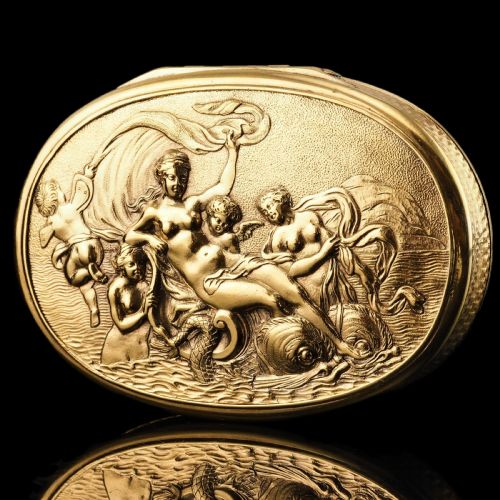
Superior execution reveals itself in the crispness of chased repoussé decoration, where human figures, foliage, and rococo scrolls retain sharp relief without softening.
The weight and gauge of the metal dictate structural integrity, distinguishing substantial table boxes and heavy desk accessories from lighter, stamped novelties.
Hinges, closures, and fitted interiors demonstrate technical skill, aligning flush so that lids snap shut with precise mechanical accuracy.
Nathaniel Mills·Edward Farrell·Samson Mordan·Cartier·Goldsmiths and Silversmiths Co.
The Gold Silver Box Glossary
- Vermeil
- Sterling silver plated or gilded with a layer of fine gold. This finish protected the underlying silver from tarnishing while offering the appearance of solid gold.
- Guilloche
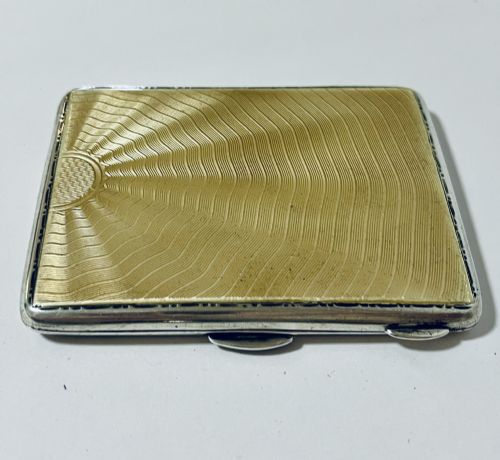
- An intricate mechanical engraving technique producing precise, repeating geometric patterns beneath translucent enamel. It frequently appeared on twentieth-century compacts and cigarette cases.
- Vinaigrette
- A small ornamental box featuring a pierced internal grille, designed to hold a sponge soaked in aromatic vinegar. Victorians carried these to mask unpleasant odours in crowded public spaces.
- Pyx box
- A small liturgical container used to carry the Eucharistic host. These ecclesiastical items often featured heavy silver gilt surfaces and religious iconography.
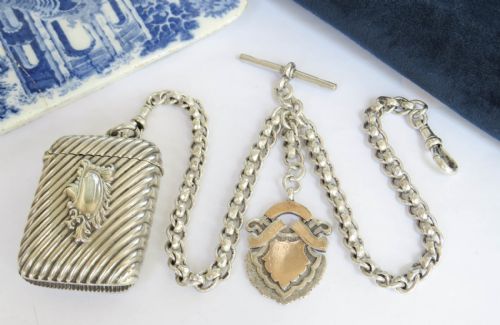
- Vesta case
- A pocket-sized container manufactured to hold matches and strike them against an exterior ribbed surface. They were widely produced in silver and gold during the Victorian and Edwardian eras.
Gold Silver Box: Frequently Asked Questions
What were small antique boxes used for?
These vessels served practical daily functions in personal grooming and social etiquette, holding items such as loose snuff, dry tea, postage stamps, or safety matches.
Wealthy owners utilised them as pocket or desk accessories, reflecting status through precious materials and refined craftsmanship.
How do I clean a silver gilt box?
Cleaning requires extreme caution because aggressive rubbing wears away thin layers of surface gold or vintage vermeil. Dusting with a soft dry cloth is usually sufficient for preservation.
Standard silver dips should be avoided entirely, as chemical immersion strips the applied gold highlights and damages delicate enamel or stones.
How can I date an antique metal box?
Dating relies heavily on official hallmarks stamped into the metal, which record the assay office, standard of purity, and specific year letter for British pieces. Stylistic markers such as neoclassical motifs, rococo scrolls, or geometric Art Deco lines also provide reliable chronological boundaries.