




Gold Rococo Table Clock
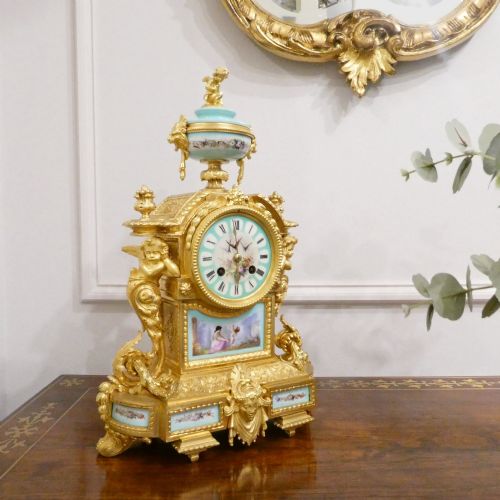
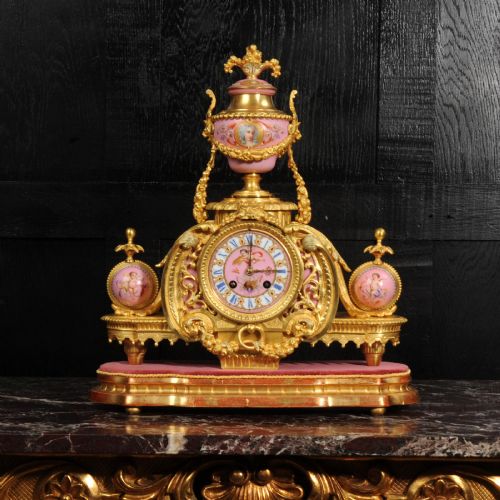
A gold rococo table clock brings exuberant nineteenth-century curves, gilt metal and porcelain dials into a room with undeniable presence.
Gold Rococo Table Clock
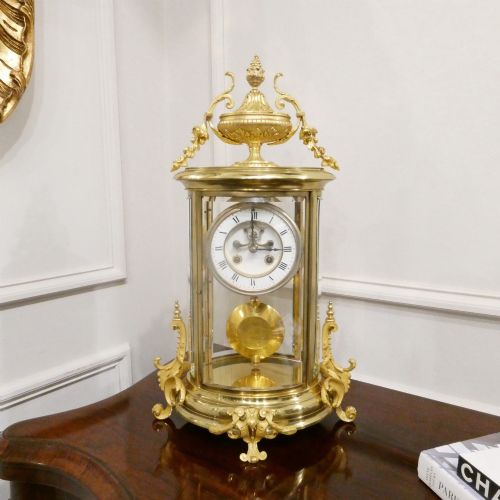
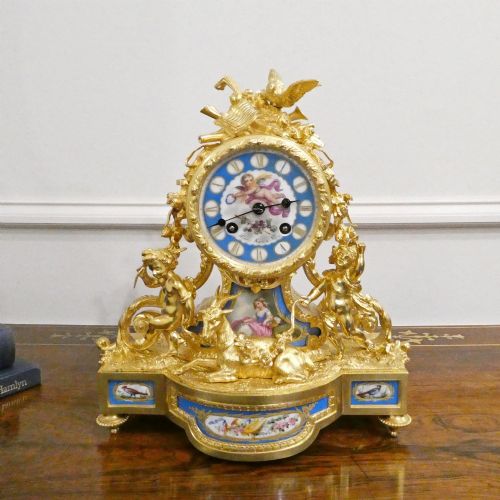
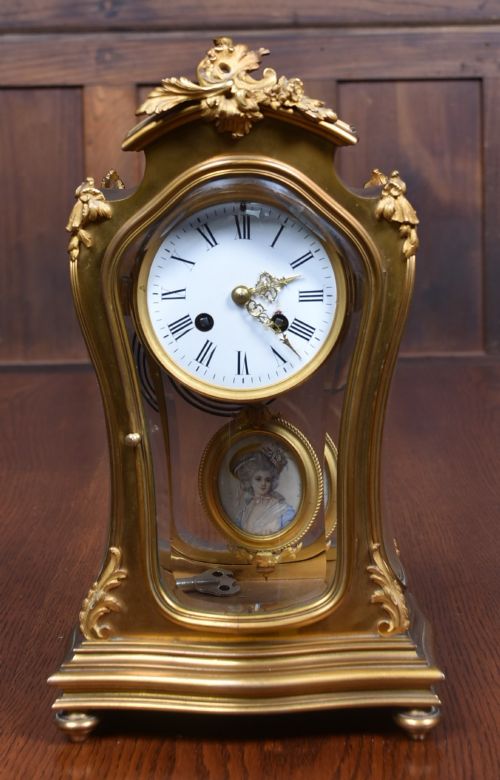
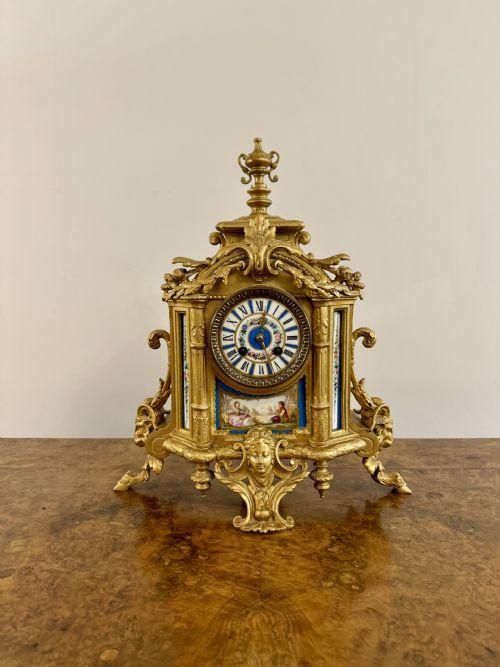
When you search for a gold rococo table clock, you encounter domestic timepieces that reflect the revival periods of the nineteenth century, spanning from the Victorian era back through French Louis XV influences. The forms include mantel clocks, desk clocks, and four-glass pieces that sit prominently on surfaces, often accompanied by porcelain plaques or enamel chapter rings.
Most examples originate from French workshops and Parisian makers of the eighteen-eighties, though English makers like Viner and Barwise also appear alongside American firms such as Ansonia. The prevalent style relies heavily on asymmetrical scrolls, naturalistic foliage, and ornate cast mounts that characterise French Rococo Revival design.
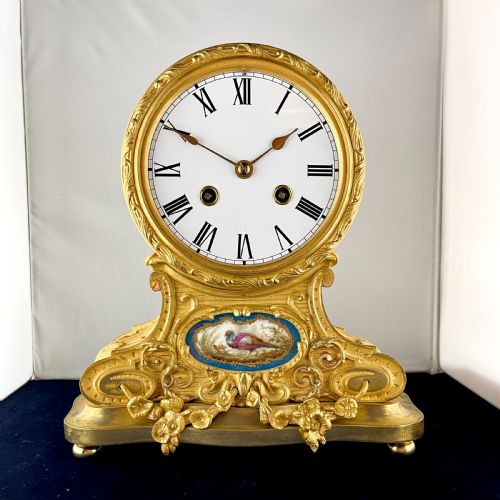
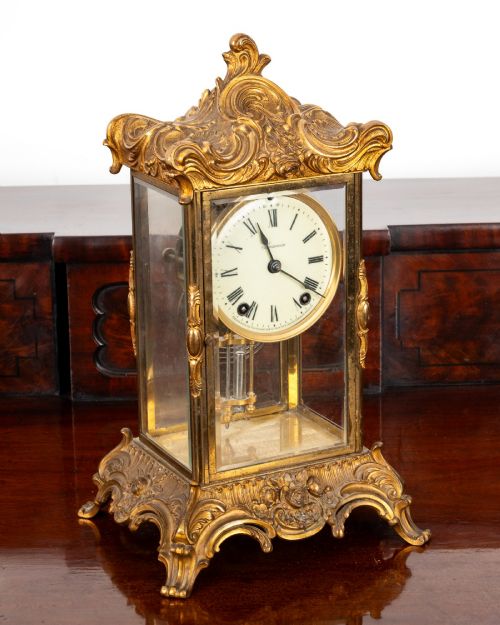
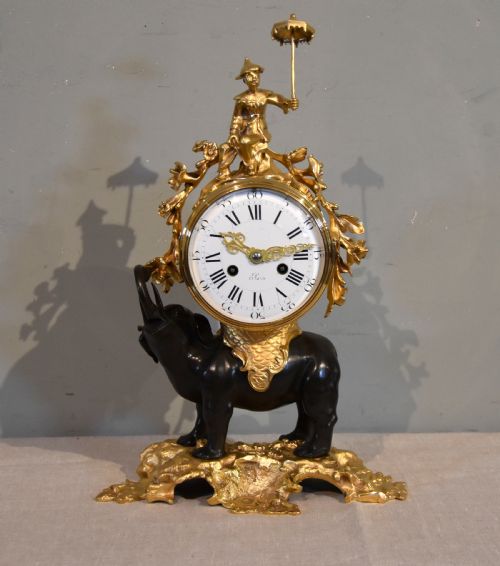
The layout typically combines a brass or bronze movement housed within a gilded case, sometimes taking specific shapes such as drumheads, elephant figures, or crystal regulators. These objects served both practical timekeeping and decorative display in period interiors, remaining focal points on mantelpieces and desks.
Materials and Construction
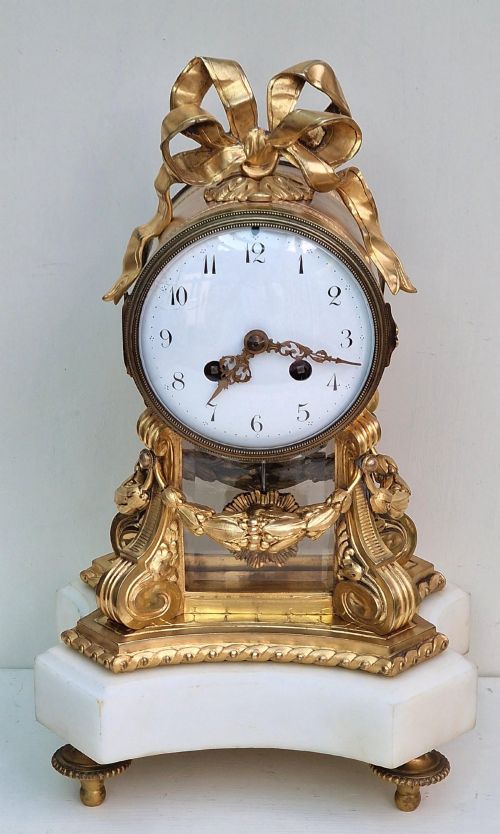
Makers constructed these clocks primarily using cast ormolu, gilt bronze, and brass, applying mercury gilding or electroplating to achieve a brilliant metallic finish. This metalwork was frequently combined with painted Sèvres porcelain panels, white marble bases, and inset enamel dials with delicate numerical markers.
The internal mechanics rely on precision brass gear trains, often driven by pendulum regulation or fusee movements in English examples. Casings were cast in multiple sections, chased by hand to sharpen the leaf and shell motifs of the rococo style, and assembled with threaded pins and screws.
Some nineteenth-century French clockmakers sculpted entire brass elephants to carry clock faces on their backs.
Evaluating Quality
The distinction between standard production and the finest work lies in the crispness of the bronze casting and the depth of the hand-chasing on the ormolu surface. Superior pieces exhibit high relief without softness in the scrollwork, whereas lesser examples show blurred edges from worn moulds.
Signatures on the dial or movement by established makers such as Samuel Marti, Achille Brocot, or Le Roy elevate an object's standing. Furthermore, the integration of hand-painted porcelain or miniature panels indicates higher workshop expenditure than plain cast metal alone.
Achille Brocot·Samuel Marti·Henry Marc·Delettrez·Japy Frères·Leroy Paris·Leon Message·John Barwise·Le Roy et Fils
The Gold Rococo Table Clock Glossary
- Ormolu
- Gilded bronze, produced by applying an amalgam of gold and mercury to a bronze base or through modern electroplating methods. The technique creates a rich golden lustre characteristic of luxury French decorative arts.
- Four Glass Clock
- A mantel clock housed in a brass or gilt bronze frame with bevelled glass panels on all four sides. This design allows light to pass through and exposes the mechanical movement from multiple angles.
- Fusee
- A conical pulley used in spring-driven clocks to maintain equal force on the gear train as the mainspring unwinds. It is commonly found in finer English Regency period pieces.
- Crystal Regulator
- A style of clock featuring heavy bevelled glass plates set into a brass or gilt bronze framework, popular during the late nineteenth century. They often reveal a mercury thermometer or a swinging pendulum.
- Chasing
- The hand-tooling of metal surfaces using punches and hammers after casting to refine details and textures. Skilled chasing separates superior bronze mounts from mass-produced castings.
Gold Rococo Table Clock: Frequently Asked Questions
How do I wind a vintage clock?
Most mechanical clocks require a key inserted into the winding holes on the dial to tension the spring inside the movement.
Care must be taken not to overwind the mechanism, stopping as soon as resistance is felt to protect the internal springs.
Are these clocks suitable for daily use?
These timepieces function well in modern homes provided they are placed on a stable, level surface away from direct heat and drafts.
Regular professional servicing helps maintain the delicate brass gears and escapements over time.
How do I distinguish French and English pieces?
French pieces often display ornate gilt bronze rococo mounts, porcelain panels, and signatures from Parisian makers on the movement backplates.
English clocks from the Regency period typically favour more restrained timber or ormolu cases with fusee movements by London makers.
What is a crystal regulator clock?
A crystal regulator uses four heavy bevelled glass panels held within a polished brass or gilt bronze frame to enclose the movement.
This design became prominent during the late nineteenth century, allowing full visibility of the mechanical gears and oscillating pendulum.