




Gold Pillars
Gold pillars bring classical dignity and warm metallic light into a room, taking the form of monumental architectural columns, slender table lamps, and heavy church candlesticks.
Gold Pillars
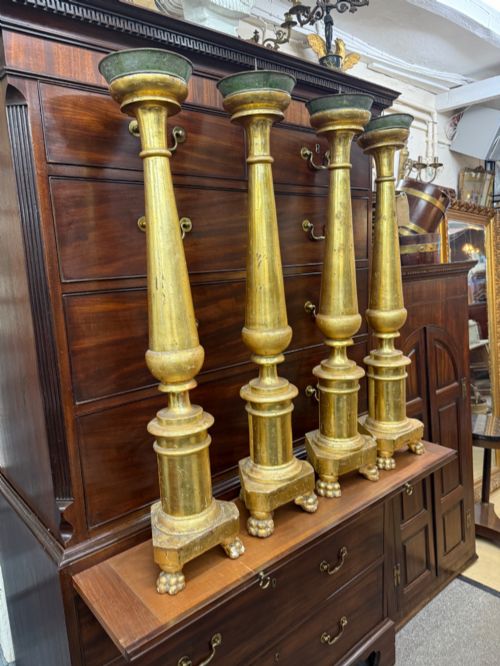
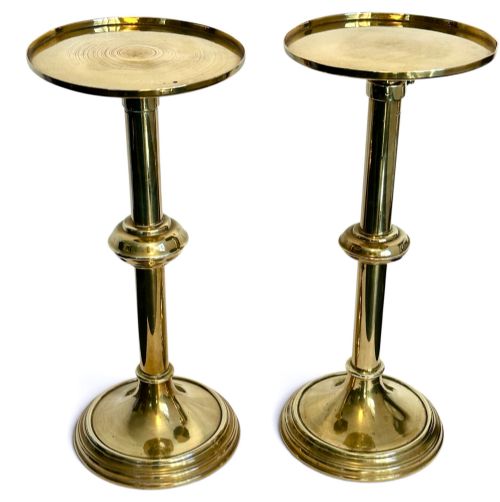
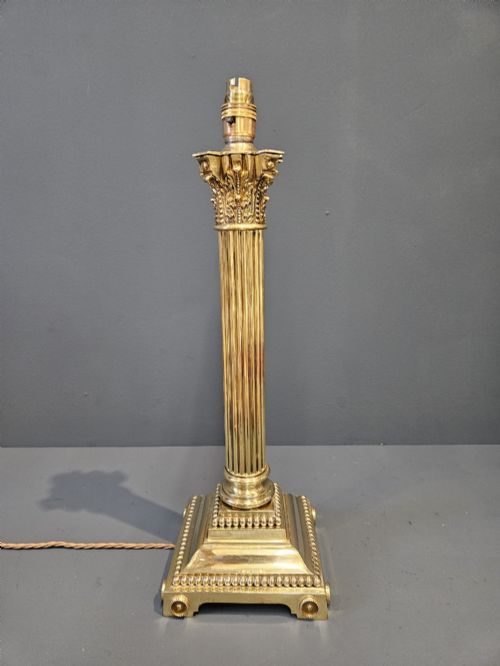
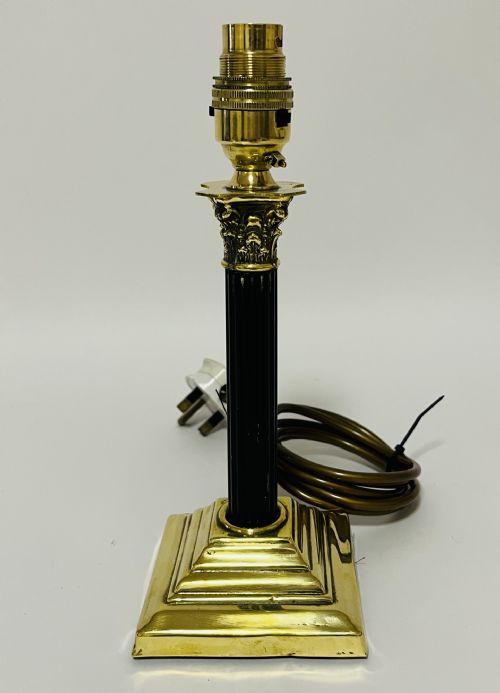
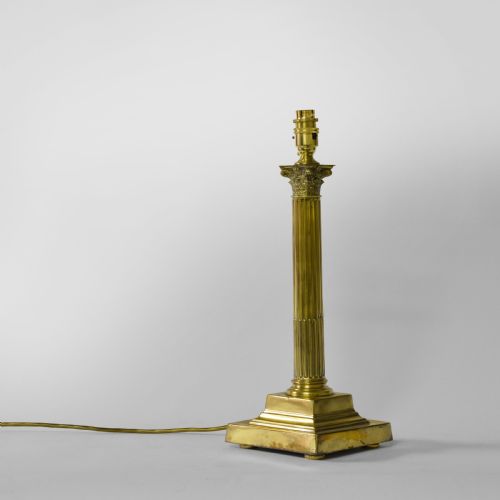
When searching for gold pillars, buyers encounter a diverse group of objects spanning the nineteenth and early twentieth centuries, where classical architecture meets interior illumination. The selection includes tall pairs of brass candlesticks, Corinthian column table lamps, pier mirrors with trumeau panels, and grand scale painted and parcel gilt columns.
The objects derive their golden appearance primarily from polished brass, giltwood, orormolu and gilt bronze rather than solid precious metal. These pieces reflect historical revivals ranging from Regency and Victorian to Gothic Revival and French Rococo Revival, echoing ancient temple architecture on a domestic scale.
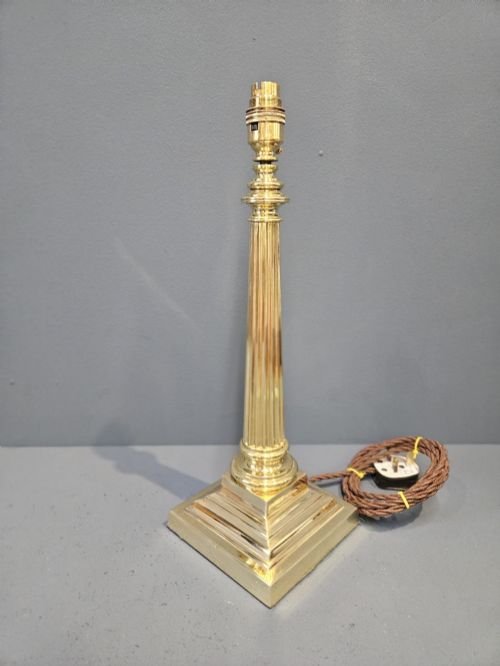
Table lamps dominate the modern offerings, often converted from earlier oil lamps or cast with detailed capital designs. Candlesticks and architectural elements also feature prominently, providing height and structural presence to interior spaces through reeded shafts and stepped pedestals.
Materials and construction
Makers utilised solid and cast brass as the primary structural metal for columns and candlesticks, frequently combining it with bronze or glass components. Giltwood and carved wood appear in architectural mirrors and large display columns, often enhanced with painted surfaces and parcel gilt details.
Casting techniques allowed workshops to produce intricate Corinthian capitals with detailed acanthus leaves alongside fluted or reeded column shafts. Surface gilding and mercury or ormolu finishes provided the characteristic golden lustre seen across the nineteenth century pieces.
Gold Pillars Retail Price Guide 2026
Typical asking prices for gold pillars among the pieces listed under this phrase on Sellingantiques today, from the lower quarter to the upper quarter. They describe what is for sale here now, not the wider market.
The furniture and lighting designs draw heavily on Neoclassical, Gothic Revival, and Baroque Revival styles from the Victorian era.
Assessing quality and craftsmanship
Superior examples distinguish themselves through the crispness of their cast metalwork, where capitals and bases retain sharp, deep detail rather than soft or worn edges. Heavy gauge brass and substantial bronze provide the physical weight expected of high-end nineteenth century metalware.
The articulation of architectural orders, such as properly proportioned fluting and well-defined volutes on Corinthian capitals, separates standard production from finer decorative pieces. Original gilding surfaces and integrated components, such as matching eglomisé panels in trumeau mirrors, indicate higher original status.
The Gold Pillars Glossary
- Corinthian column
- A classical architectural column type featuring an ornate capital decorated with rows of acanthus leaves. This style is frequently adapted for Victorian and Edwardian table lamps and candlesticks.
- Ormolu
- Finely ground high-carat gold mercury-gilded onto a bronze base, creating a rich golden surface finish. This technique appears on French and English decorative pieces from the nineteenth century.
- Eglomisé
- A process of applying cold gilding and painting to the rear face of glass to produce a mirror finish with decorative imagery. It is commonly found on trumeau mirrors and Regency pier glasses.
- Trumeau
- A decorative wall mirror or panel situated between windows, often incorporating painted woodwork and an eglomisé glass section. These large architectural elements define formal nineteenth century interiors.
- Parcel gilt
- A decorative finish where selected portions of an object are gilded while the underlying wood or metal remains visible. This technique highlights carved details on large columns and mirrors.
Gold Pillars: Frequently Asked Questions
What periods do these pieces come from?
The listings span the nineteenth and early twentieth centuries, taking in the Regency era, the Victorian period, and Edwardian revivals up to the 1930s. Different eras favoured distinct revival styles, from strict Neoclassical columns to ornate French Rococo.
Most items date from the height of nineteenth century industrial and decorative metalcasting. This era produced durable brass and bronze items designed to mimic ancient architectural monuments.
How were column lamps originally used?
Many of the table lamps began life as oil lamps before undergoing later conversion to electricity during the twentieth century. Their substantial weight and height made them suitable for illuminating large Victorian drawing rooms and libraries.
Candlesticks served a similar functional purpose on dining tables and mantelpieces before electric lighting became standard. Their architectural forms lent an air of classical authority to domestic interiors.
Are the items solid gold?
None of the pieces are cast in solid gold, which would be structurally impractical and prohibitively heavy for large items. Instead, they rely on solid brass, gilt bronze, ormolu, or gilded wood to achieve their golden appearance.
Surface treatments such as fire gilding or gold leaf application provide the rich metallic finish. These techniques offered the appearance of luxury while utilising durable underlying materials.
How do I care for antique brass and giltwood?
Brass and bronze components benefit from gentle dusting with a soft dry cloth to prevent the accumulation of grime. Aggressive metal polishes should be avoided, as they can strip thin historical finishes or damage patination.
Giltwood and painted surfaces require protection from direct sunlight and excessive moisture to prevent flaking. Professional conservation is recommended for delicate eglomisé glass panels and fragile nineteenth century gilding.