


Gold Pendant Lantern
A gold pendant lantern brings warm illumination and architectural presence to an entrance hall or high-ceilinged room.
Gold Pendant Lantern
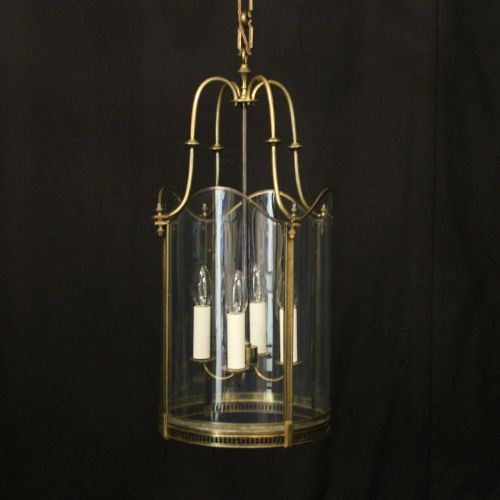
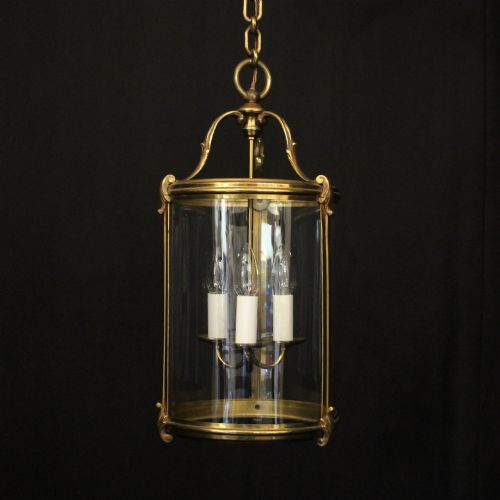
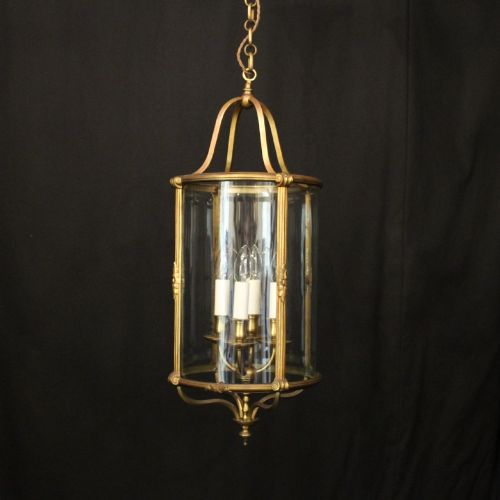
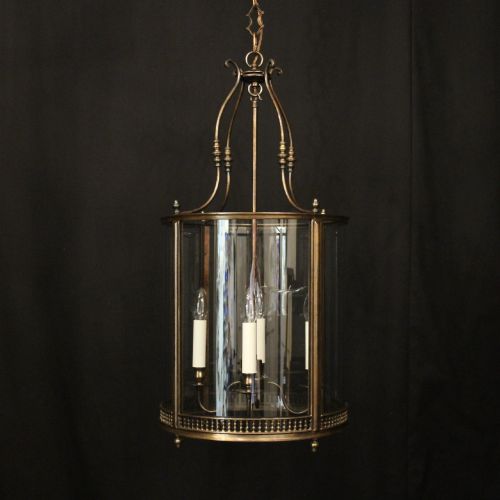
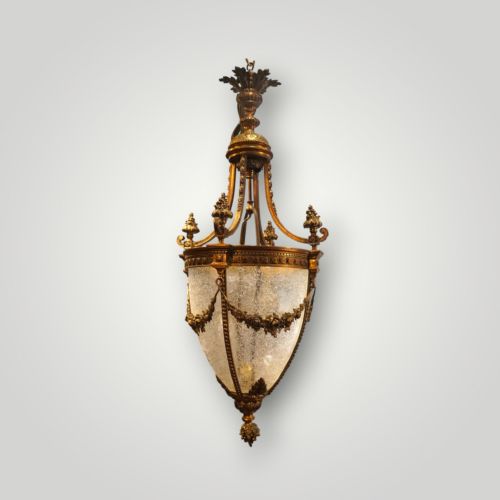
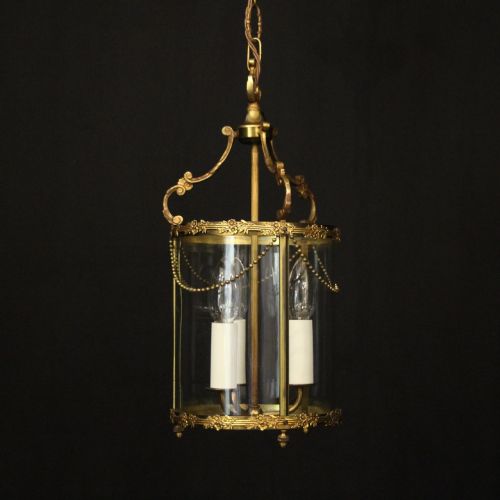
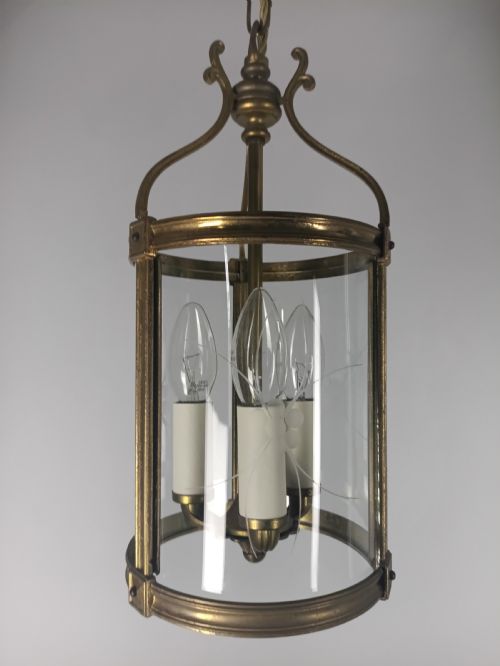
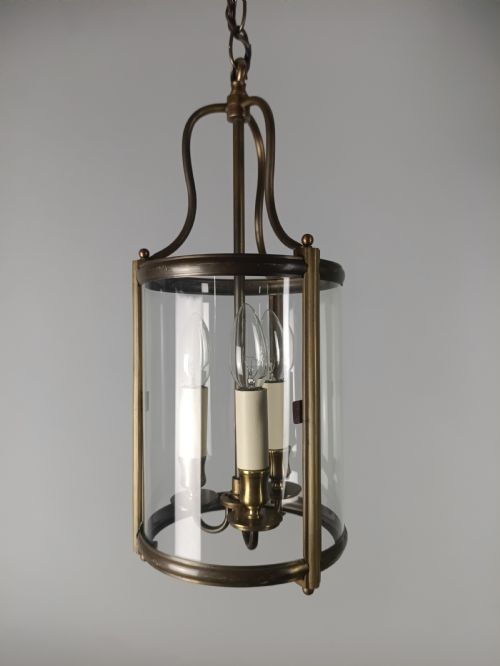
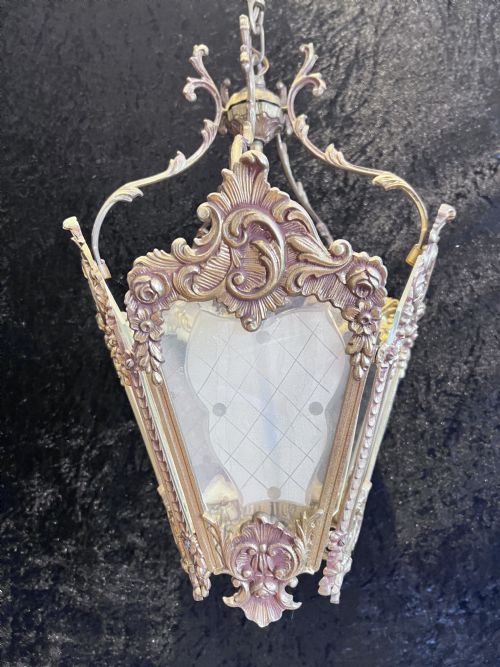
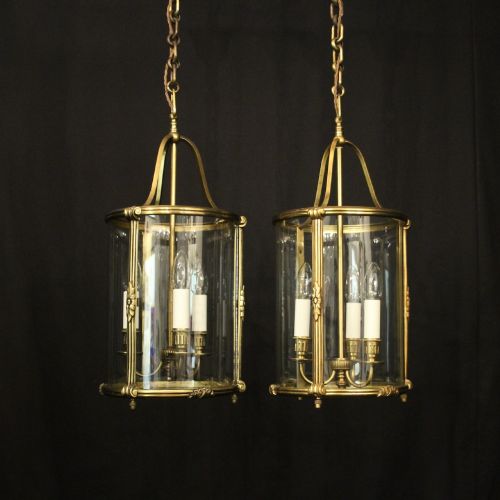
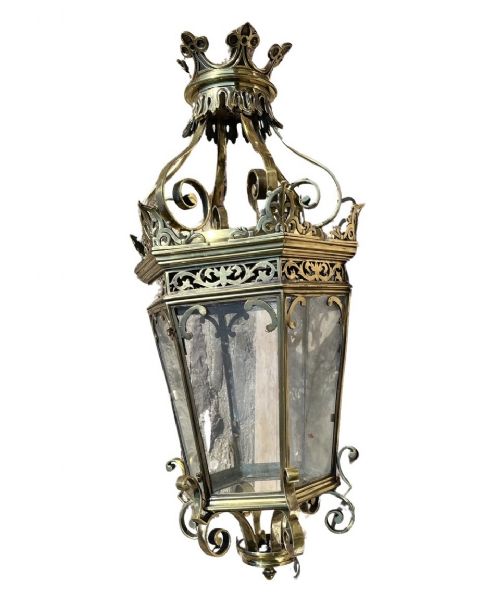
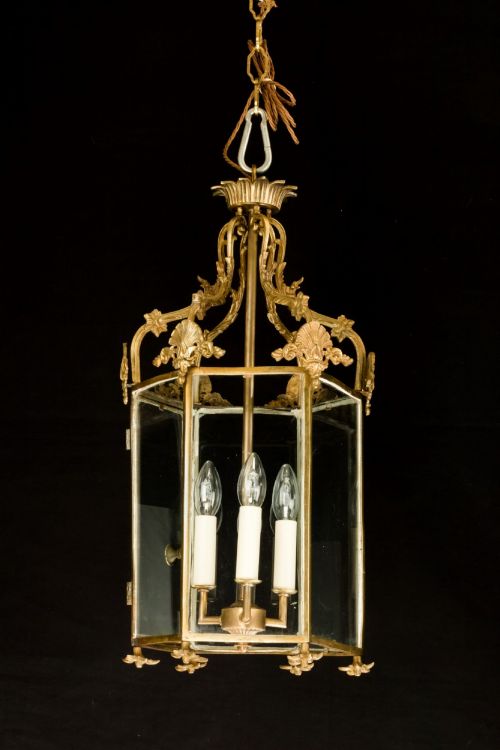
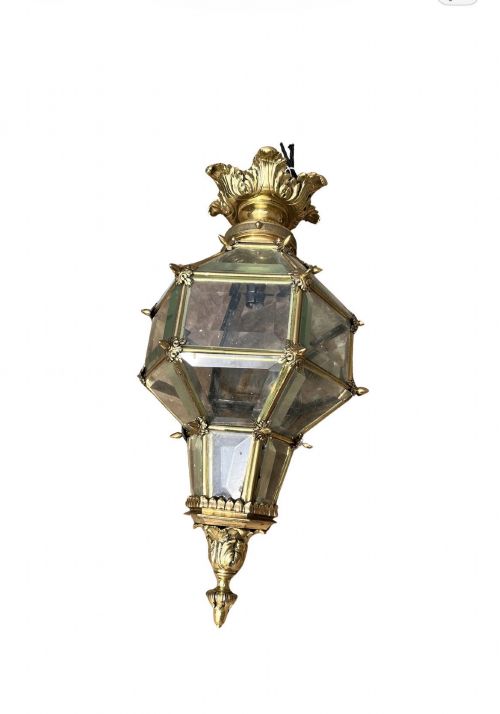
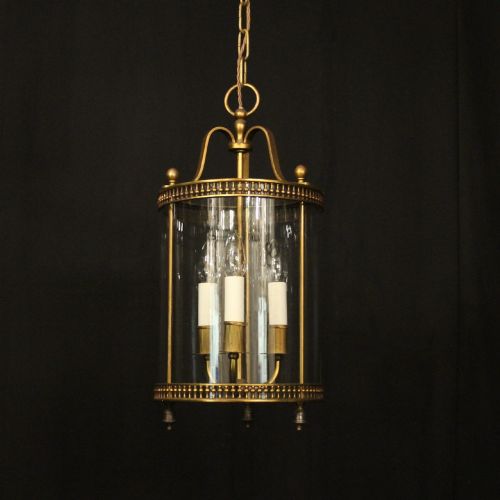
A gold pendant lantern is primarily represented on this page by hall lights, ceiling lanterns, and hanging fixtures in brass, gilt bronze, and gilded brass. These pieces span periods from the Victorian era and Edwardian years through to the 1920s and 1930s, often drawing on French Neoclassical, Louis XV, Rococo, and Versailles styles.
Buyers encounter hexagonal formats, convex glass designs, and multi-light configurations ranging from single bulbs to triple and quadruple arrangements. English and French workshops dominate the selection, alongside occasional Venetian carved giltwood and North African examples.
Smaller charm pendants in gold also appear in the archive, offering miniature representations of miners and ships lanterns. The main focus for interior placement, however, remains ceiling-hung architectural lighting with glass panels and metallic frames.
Materials and Construction
Frames are cast or fabricated from brass, bronze, and giltwood, then finished with gold leaf, gilt, or polish to achieve a rich metallic lustre. Glass panels, frequently etched, bevelled, or convex, are set within the metal armature to diffuse light from internal burners or electrical fittings.
Construction techniques combine structural metalwork with glazed sides and hinged doors for access. Ormolu and gilt bronze components display detailed chasing and casting work characteristic of French and English manufacturing traditions from the nineteenth and early twentieth centuries.
Listings feature brass, gilt bronze, and giltwood materials across Victorian, Edwardian, and 1920s periods.
Defining Quality
Quality rests in the crispness of the metal casting, the weight of the bronze or brass framework, and the presence of hand-finished detail such as finely chased mounts or bevelled glass panels. Heavier gauges of metal and sophisticated proportions separate substantial architectural pieces from lighter commercial alternatives.
The integrity of the gilding and the preservation of original glass panels heavily influence the standing of an item. Pieces that retain their original surface treatments and integrated structural hardware command greater interest from collectors.
Perry And Co
The Gold Pendant Lantern Glossary
- Gilt bronze
- Metal cast in bronze and treated with a gold wash or mercury gilding to impart a rich golden surface. It provides durability alongside a warm metallic finish.
- Convex glass
- Curved glass panels used in lantern frames to refract light outwards and soften internal illumination. This technique adds depth and dimension to the fixture.
- Ormolu
- Finely cast and chiselled bronze mounted with a gold-mercury finish, frequently utilised in French decorative lighting. The term derives from the French for milled gold.
- Giltwood
- Timber carved and subsequently covered with a thin layer of gold leaf. It appears on ornate architectural frames.
- Bevelled glass
- Glass panes featuring an angled edge ground down around the perimeter. This creates a prismatic effect when light passes through the panel.
Gold Pendant Lantern: Frequently Asked Questions
Where should a hall lantern hang?
These lanterns suit entrance halls, vestibules, and stairwells where their downward illumination and decorative metalwork can be viewed from multiple angles. High ceilings allow larger hexagonal or multi-light fixtures to suspend properly without obstructing movement.
Ensure adequate clearance beneath the lowest point of the lantern for foot traffic. Positioning them centrally creates a formal focal point upon entering the space.
Are these lanterns electrified?
Many fixtures on this page feature period or later electrical wiring configured for interior household use. Conversions respect the original housing while accommodating modern bulb standards.
Inspect the internal wiring upon acquisition to confirm it meets current safety codes. Professional rewiring preserves antique metalwork while ensuring reliable operation.
How do I identify French styles?
French lighting often incorporates Rococo scrolls, Neoclassical symmetry, or Louis XV foliate motifs cast in gilt bronze. Look for refined chasing, convex glass, and frames inspired by palace interiors.
English alternatives tend to employ simpler brass geometry or restrained hexagonal forms. Comparing the decorative vocabulary on the metal frame reveals the design origin.
What maintenance do gilt surfaces need?
Gilt bronze and brass require gentle dusting with a soft, dry cloth to prevent grime accumulation. Avoid abrasive cleaners or chemical polishes that can strip away the historic gold leaf or patination.
Preserving the original surface finish maintains the visual depth of the metal. Professional conservation is recommended for delicate or heavily worn gilding.