


Gold Pearl Halo Ring
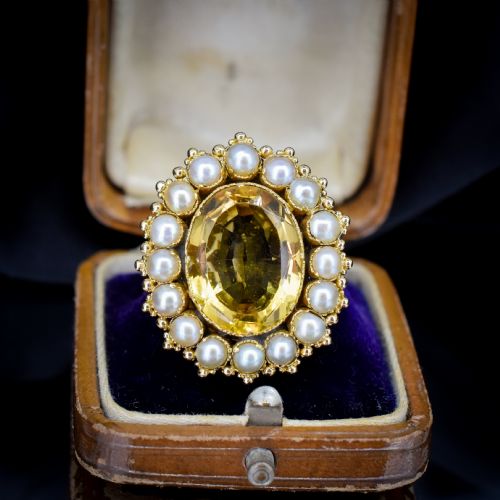
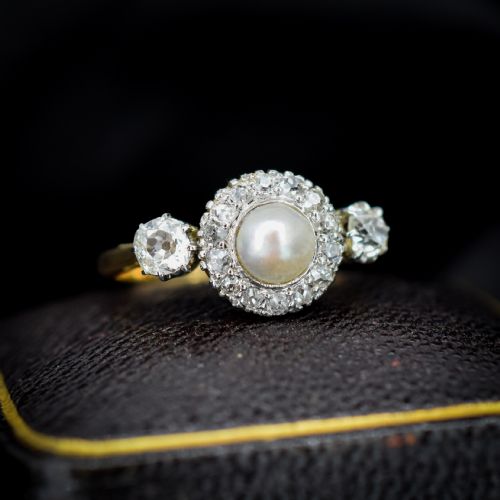
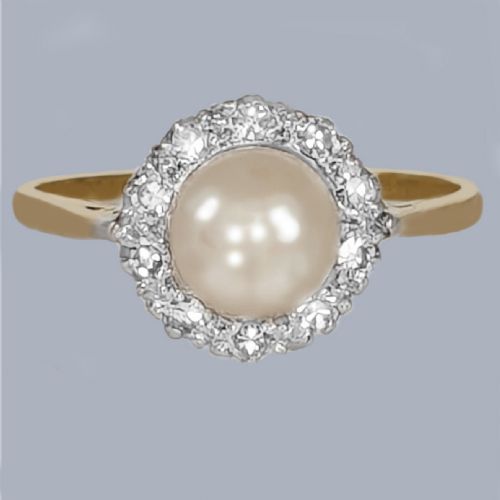
A gold pearl halo ring circles a central pearl with precious gems, offering a timeless design seen across Georgian, Victorian, and Edwardian periods.
Gold Pearl Halo Ring
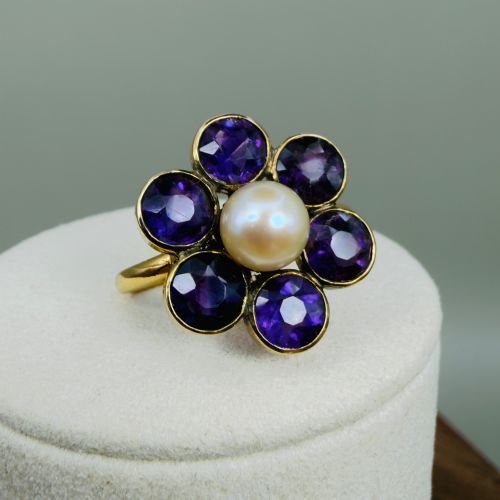
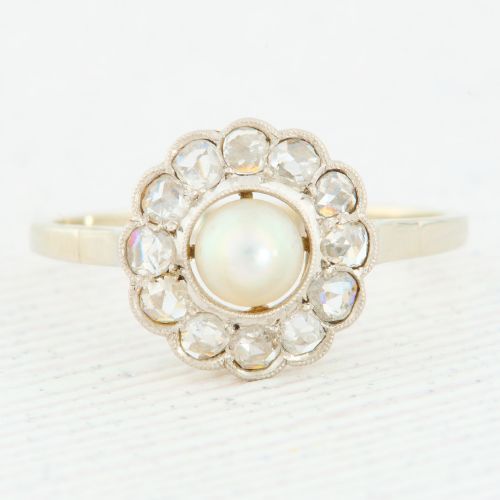
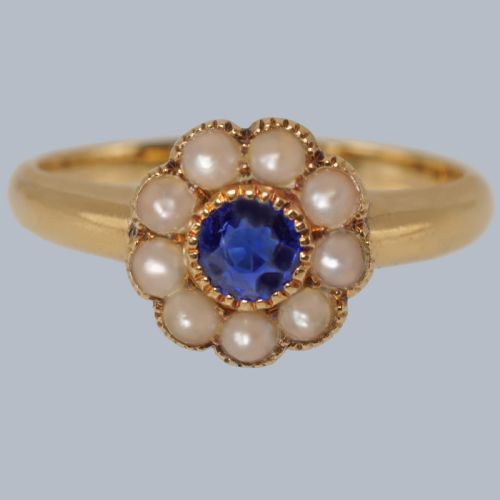
A gold pearl halo ring centres upon a pearl enclosed by a border of contrasting gems, creating a distinct cluster silhouette. Buyers searching for a gold pearl halo ring encounter forms spanning Georgian, Victorian, Edwardian, Art Deco, and Mid-Century periods.
The most common versions on this page are Edwardian and Victorian cluster rings set in 18ct yellow or rose gold, frequently pairing pearls with diamonds, amethysts, or citrines. These pieces frequently utilise old cut diamonds or seed pearls arranged in geometric or floral configurations.
Earrings appear alongside rings in the broader record, yet finger rings dominate the selection entirely. Examples range from mourning rings incorporating hair and seed pearls to vibrant gemstone clusters featuring sapphires, rubies, garnets, and emeralds.
How they were made
Goldsmiths utilised 15ct and 18ct yellow and rose gold, alongside platinum in later Edwardian and Art Deco examples, to mount pearls securely beside diamonds and coloured gemstones. Metals were cast and hand-finished to support intricate cluster and halo arrangements.
Pearls, seed pearls, and natural pearls were combined with rose cut, old cut, and emerald cut stones. Techniques involved bezel and claw settings that framed the central pearl with precise rings of surrounding gems.
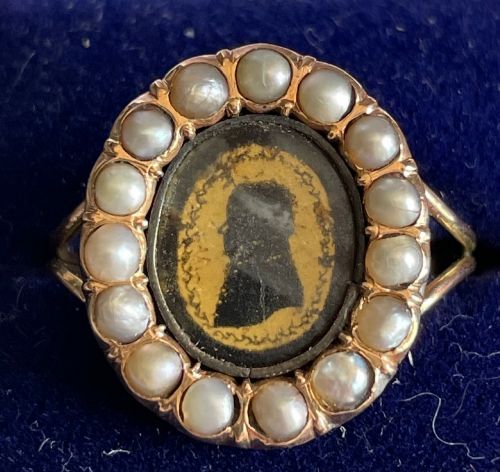
One Georgian piece incorporates hair beneath glass, proving that past owners liked to keep their departed nearest and dearest literally close to hand.
What varies in quality
Quality rests upon the proportion and matching of the central pearl to its surrounding halo stones, alongside the fineness of the gold or platinum work. Pieces exhibiting crisp geometric symmetry or refined hand-cut diamonds demonstrate superior craftsmanship.
The integration of materials also defines the tier of the piece, such as the use of natural pearls paired with substantial old cut diamonds versus seed pearls set in lower carat gold. Preservation of delicate elements like enamel work or hair detailing influences the standing of older Georgian and Victorian examples.
The Gold Pearl Halo Ring Glossary
- Halo
- A circular arrangement of smaller gemstones surrounding a larger central stone. This setting style accentuates the presence of the middle pearl.
- Cluster ring
- A ring featuring a central gem encircled by a cluster of smaller stones. This form defines the majority of designs on the page.
- Old cut diamond
- An early diamond cutting style characterised by a high crown and small table. These stones appear frequently in Georgian and Edwardian pieces.
- Seed pearl
- A very small, naturally formed pearl often used in delicate rows or clusters. They are typical of Georgian mourning jewellery and Victorian cluster rings.
Gold Pearl Halo Ring: Frequently Asked Questions
How do I date a gold pearl halo ring?
Dating relies upon material composition, gemstone cuts, and structural motifs inherent to specific eras. Georgian pieces often display rose cut stones and closed-back settings, while Edwardian examples favour platinum-topped gold and fine millegrain work.
Maker marks, hallmarks, and specific design styles like the ring of the heavens further clarify the period of origin. Comparing the gold carat, such as 15ct versus 18ct, provides additional chronological context.
Are pearls durable enough for daily wear?
Pearls require mindful care because they possess a softer organic composition compared to diamonds or sapphires. Contact with harsh chemicals, cosmetics, and ultrasonic cleaners should be avoided to preserve their natural lustre.
Historic rings benefit from gentle cleaning and secure settings that protect the pearl within its halo. Wearing them with awareness of their delicate nature ensures longevity.
What is a mourning ring?
A mourning ring is a commemorative piece created to remember a deceased person, often incorporating hairwork, enamel, or seed pearls. Georgian and Victorian examples frequently feature braided hair beneath glass or crystal panels.
These sentimental jewels served as personal tokens of remembrance rather than simple adornments. The inclusion of pearls in such designs symbolised tears or purity.
What is the difference between natural and cultured pearls?
Natural pearls form organically within molluscs without human intervention, making them uncommon in antique jewellery. Cultured pearls involve human assistance to initiate the pearl-forming process inside the oyster.
Most antique pieces from the Georgian and Victorian eras utilise natural pearls or seed pearls. Edwardian and later pieces occasionally incorporate cultured varieties.