


Georgian Dress Ring
A georgian dress ring is a small piece of history for the finger, prized for its hand-cut stones and precious metals.
Georgian Dress Ring
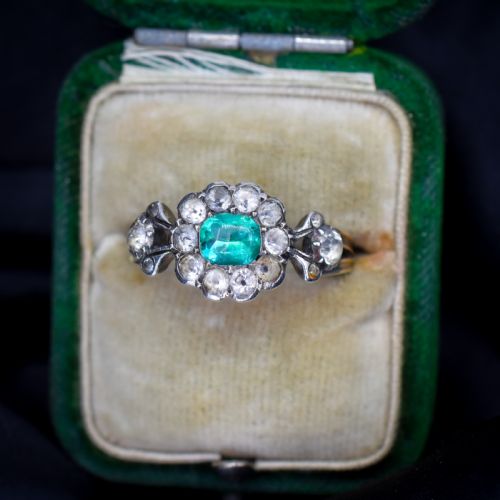
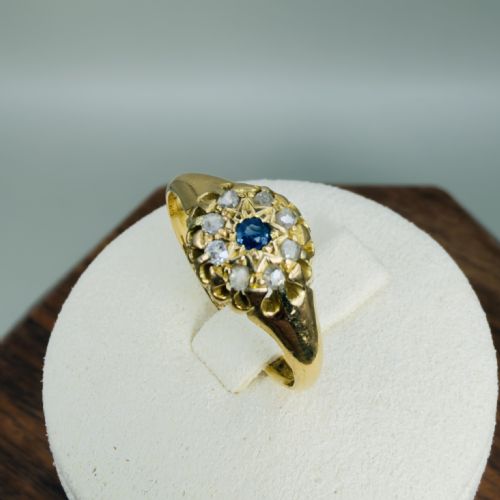
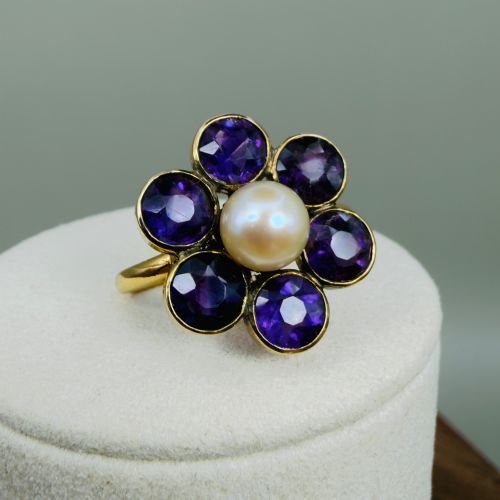
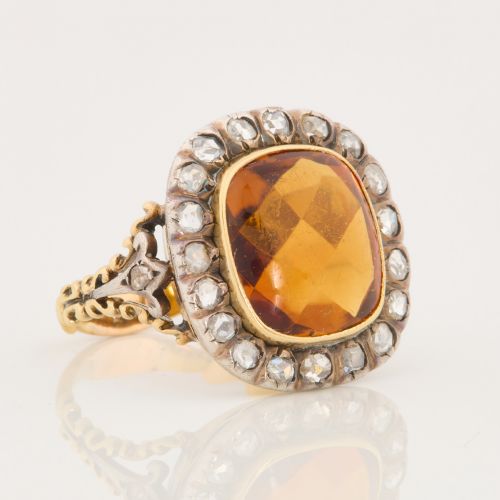
When you search for a georgian dress ring, you encounter pieces spanning the Georgian era and nineteenth century, alongside later Victorian and Edwardian examples. These items include cluster rings, solitaire rings, and navette shapes designed primarily as decorative finger ornaments.
The materials you meet on this page range from gold, silver, and 18ct gold to 9ct gold and 15ct gold settings. Stones such as diamond, amethyst, emerald, sapphire, pearl, paste, carnelian, and coral appear frequently in the listings.
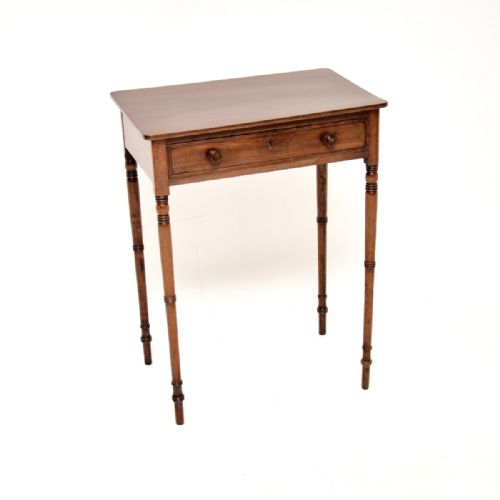
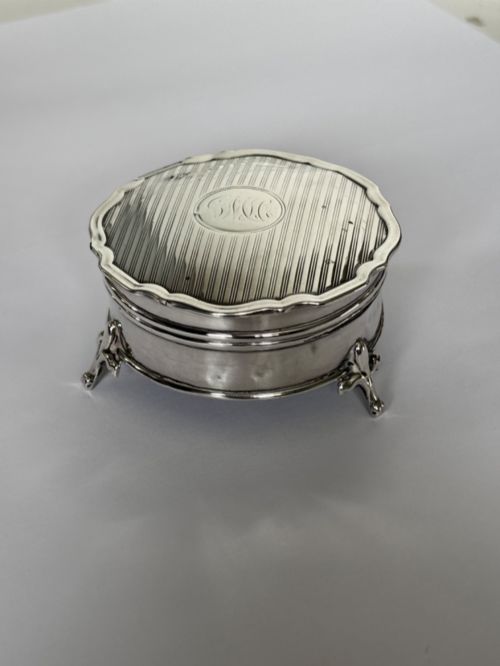
Most pieces date from the 18th century and 19th century, with occasional items from the Edwardian period and George V era. Alongside rings, the evidence shows occasional side tables and trinket boxes appearing under related searches.
How They Were Made
Metals like yellow gold, 18ct gold, and silver were worked by hand to create intricate settings for precious and semi-precious stones. Silversmiths and jewellers often combined gold and silver, mounting diamonds and paste stones in silver over a gold backing to enhance the brilliance of the stones.
Cut stones, including rose cut diamond and old mined cut diamond varieties, were shaped by hand without modern machinery. Enamel work and delicate seed pearls also feature in the construction of these jewelled ornaments.
Some rings capture the cosmos in miniature, such as the Georgian piece known as the Ring of the Heavens.
What Varies in Quality
The refinement of the hand-cut stones separates standard examples from finer works. Old mined cuts and rose cut diamonds display different levels of symmetry and light reflection depending on the skill of the lapidary.
The integrity of the combined gold and silver mountings dictates the durability and visual appeal of the piece. Intricate details like blue enamel work and securely set pearls or gemstones reflect higher levels of period craftsmanship.
The Georgian Dress Ring Glossary
- Cluster ring
- A ring featuring a central stone surrounded by a circle of smaller stones. This style maximises visual impact and was popular in the Georgian period.
- Navette
- A boat-shaped ring setting that sits lengthways along the finger. This elongated style often holds multiple diamonds or gemstones.
- Paste
- Hand-cut glass used as a substitute for gemstones in historic jewellery. Georgian paste pieces often display exceptional craftsmanship.
- Rose cut
- A vintage diamond cut featuring a flat base and a domed crown with triangular facets. This cut predates modern brilliant cuts.
- Old mined cut
- An early diamond cut characterised by a slightly rounded square shape and a high crown. These stones were shaped by hand for candlelight.
Georgian Dress Ring: Frequently Asked Questions
What is a georgian dress ring?
A georgian dress ring is a decorative finger ring originating from the Georgian period or subsequent nineteenth-century revivals. These pieces were worn for social occasions and display hand-cut gemstones set in gold and silver.
The listings show a variety of cluster, solitaire, and navette forms utilising materials such as diamond, emerald, amethyst, and paste.
How do I care for these rings?
Historic rings require gentle handling because their delicate metalwork and foil-backed or closed-back stones can be damaged by water. Remove the ring before washing hands, swimming, or engaging in manual work.
Store each piece separately in a soft pouch to protect the softer stones, such as pearls and coral, from scratching against harder diamonds.
Can I wear one every day?
While these rings were made to be worn, their age means they require more care than modern jewellery. Everyday wear can put pressure on fragile nineteenth-century settings and delicate seed pearls.
Reserve them for lighter daily wear or special occasions to preserve the integrity of the original gold and silver mountings.
How do I identify the period?
Period identification relies on examining the cut of the stones, the construction of the metal settings, and stylistic markers. Rose cut diamonds and closed-back settings often point toward Georgian and early nineteenth-century origins.
Hallmarks, where present, provide specific clues, though many older rings carry partial or rubbed marks due to centuries of wear.