


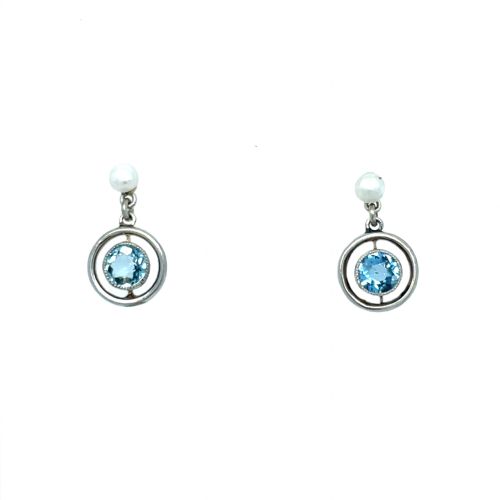


Gold Pearl Drop Earrings
When you search for gold pearl drop earrings, you are looking at enduring designs that combine precious metal with lustrous organic gems.
Gold Pearl Drop Earrings
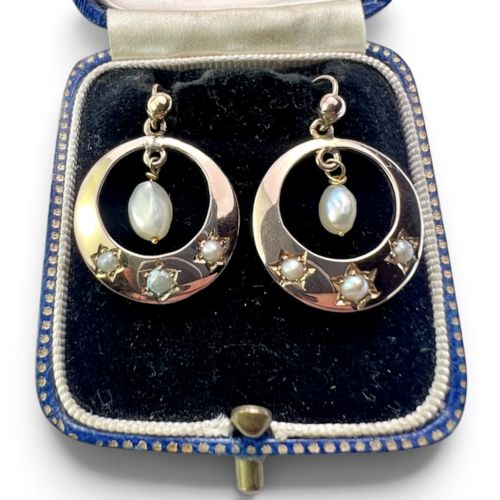
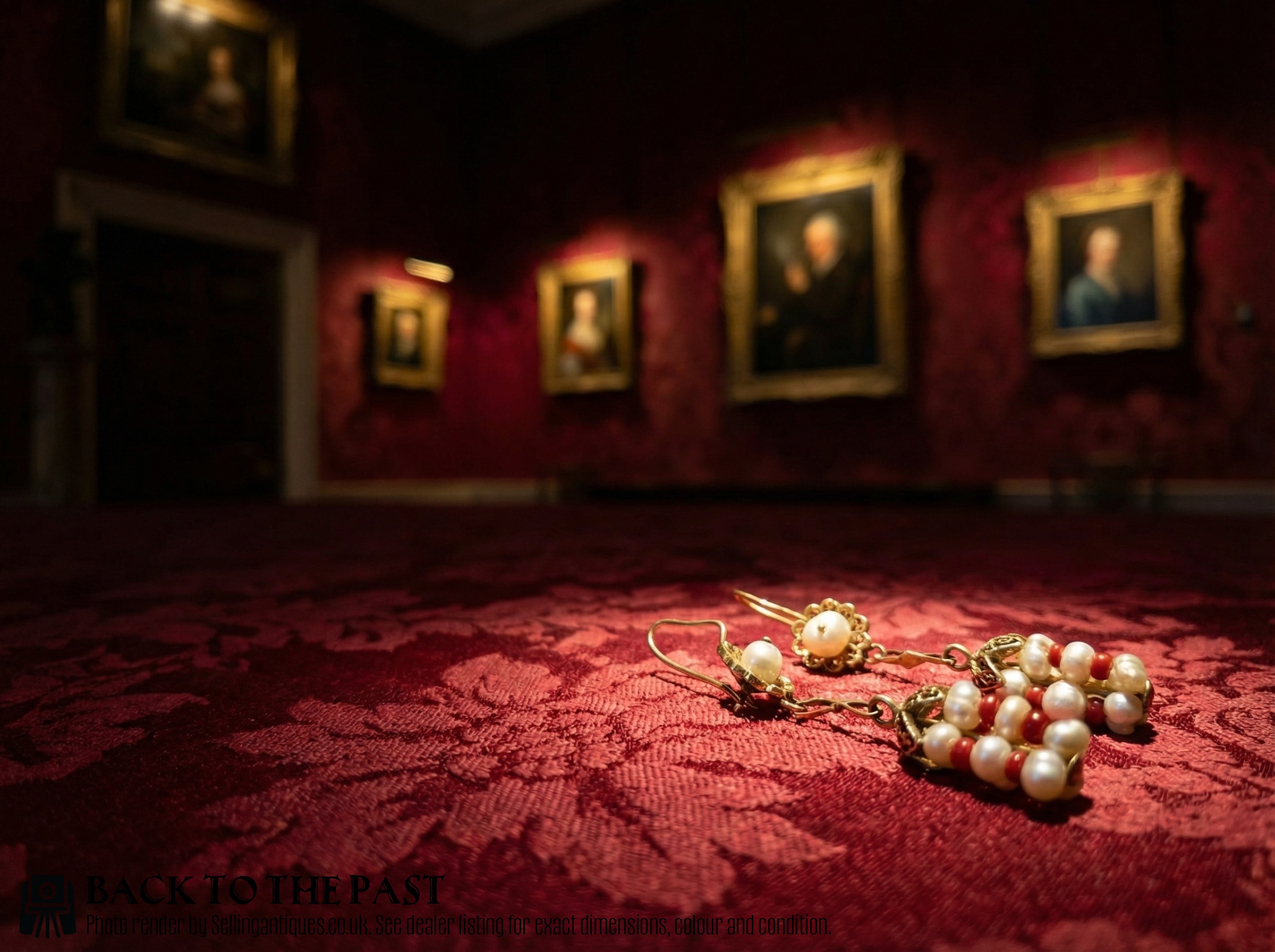
Gold pearl drop earrings span multiple eras, showing the persistent appeal of dangling pearl designs across the nineteenth and twentieth centuries. Buyers searching this phrase encounter Victorian and Edwardian examples featuring delicate clusters and floral motifs, alongside mid-century and later interpretations.
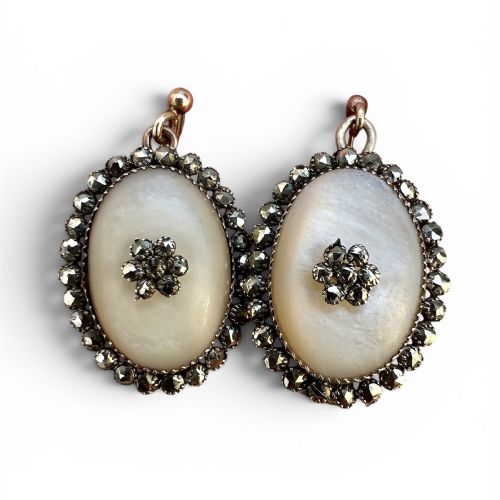
The pieces on this page range from early Georgian silver-topped creations and intricate Victorian seed pearl work to bolder 1960s diamond and pearl compositions. Drop earrings in this category typically suspend from hooks, posts, or screw-back mechanisms, allowing the pearls to move freely.
How They Were Made
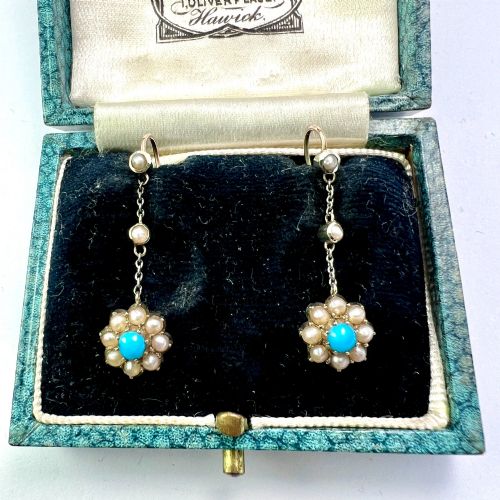
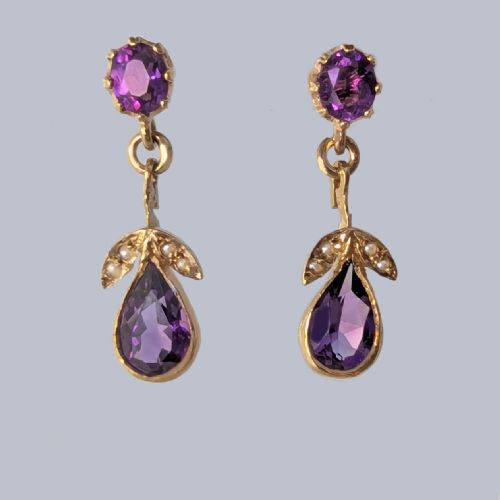
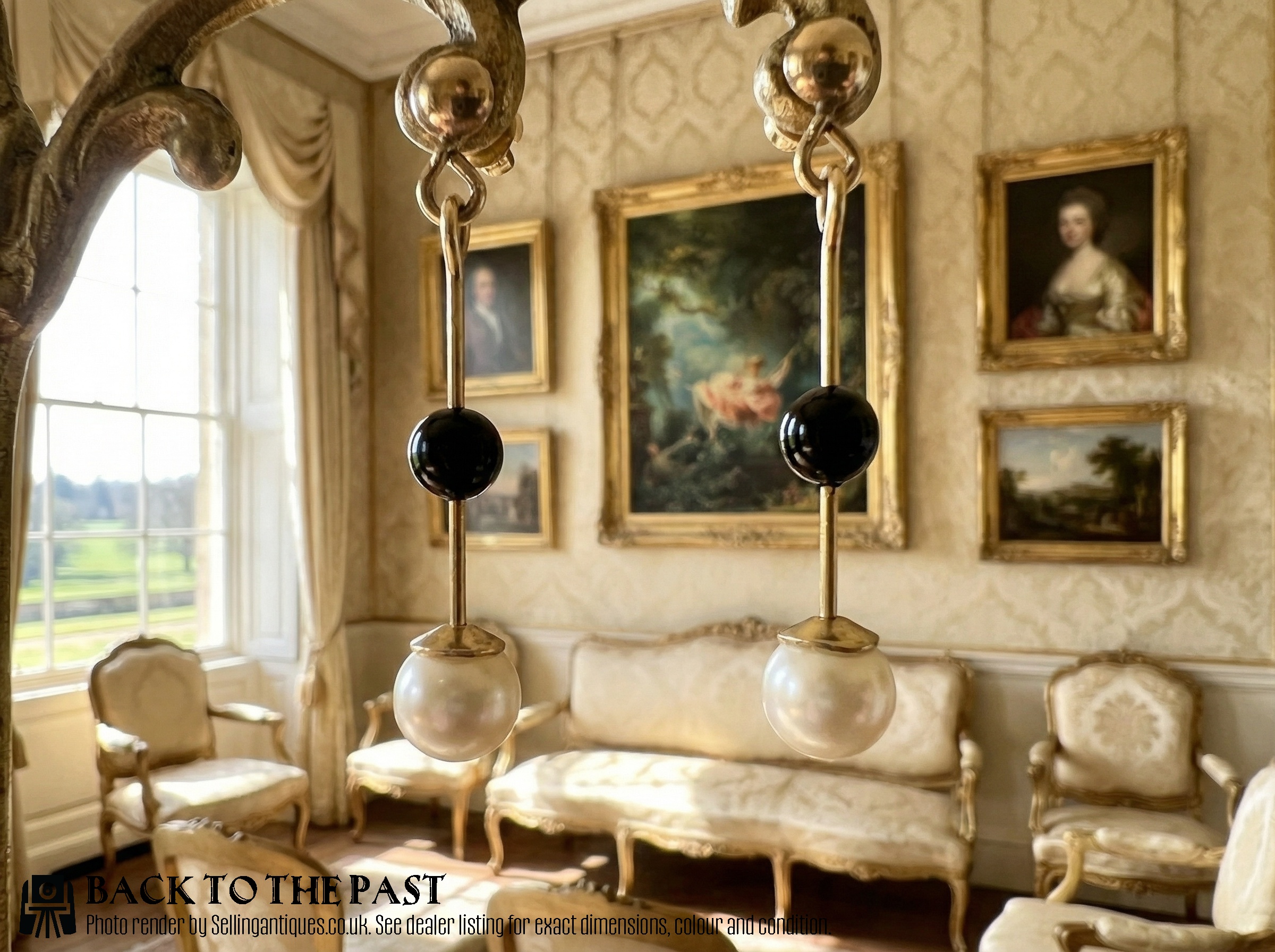
Craftsmen utilised various purities of yellow, white, and rose gold, ranging from nine to eighteen carat, often combining them with silver for specific gemstone settings. Pearls, including natural, seed, baroque, and cultured varieties, were integrated alongside diamonds, turquoise, amethyst, and peridot.
Assembly methods relied on fine wirework, hinge joints, and prong or star settings to secure the gems. Foliate mounts, granulation, and engraved details frequently embellished the gold structures surrounding the central pearls.
Gold Pearl Drop Earrings Retail Price Guide 2026
Typical asking prices for gold pearl drop earrings among the pieces listed under this phrase on Sellingantiques today, from the lower quarter to the upper quarter. They describe what is for sale here now, not the wider market.
Grape bunches made of tiny turquoise and pearls hung from ears while ladies debated politics.
What Varies in Quality
The distinction between tiers rests upon the choice of materials and the complexity of the goldsmith's work. Natural pearls and matched diamond accents paired with higher carat gold indicate a more ambitious undertaking than standard production pieces.
The Gold Pearl Drop Earrings Glossary
- Seed pearl
- Very small, naturally occurring pearls often drilled and used in clusters or strung on hair or thread during the Georgian and Victorian periods. They provide a delicate texture distinct from larger single pearls.
- Baroque pearl
- An asymmetrical pearl possessing an irregular, non-spherical shape. Their unique contours became particularly popular during mid-century design revivals.
- Dormeuse
- A type of antique earring designed with a secure fastening intended to be comfortable enough to wear while sleeping. They often feature a hinged wire closure.
- Parure
- A matching set of jewellery, typically comprising a necklace, earrings, brooches, and sometimes a ring or tiara designed to be worn together. Complete sets represent the pinnacle of period coordination.
Gold Pearl Drop Earrings: Frequently Asked Questions
How do I date these earrings?
Dating relies on observing the combination of metal purity marks, gemstone cuts, and fastening types characteristic of specific decades. Hallmark stamps and prevailing stylistic motifs like Victorian star-sets or Edwardian filigree provide clear chronological markers.
Changes in gold colour preferences and closure mechanisms, such as shifts from early wires to screw-backs and standard posts, further help narrow down the period of manufacture.
Are these pearls natural or cultured?
The pieces span eras before and after the widespread availability of cultured pearls, meaning materials range from natural saltwater specimens to later cultured varieties. Historical pieces from the nineteenth century predominantly feature natural seed or saltwater pearls.
Verification typically involves examining the lustre, surface irregularities, and documentation provided with certified natural pearl examples from the Victorian archive.
Can I wear them every day?
Living with antique drop earrings involves mindful handling, particularly regarding delicate seed pearl clusters and older mechanisms like screw-back fittings. While robust enough for regular wear, their age suggests storing them carefully away from harsh chemicals and cosmetics.
Securing the fastenings properly ensures that dangling elements remain safe during movement throughout the day.
What metals are commonly used?
Gold forms the primary structural foundation, appearing in yellow, white, and rose variations across nine, fourteen, fifteen, and eighteen carat purities. Silver is also frequently encountered in older Georgian and Edwardian mounts, often paired with gold to highlight diamond settings.
These metal choices often reflect the prevailing fashion and metallurgical standards of the specific decade in which the earrings were made.