


Gold Painted Papier Mache
Gold painted papier mache brings rich metallic lustre and hand-painted artistry into daily interiors through nineteenth-century trays, tables, and decorative objects.
Gold Painted Papier Mache
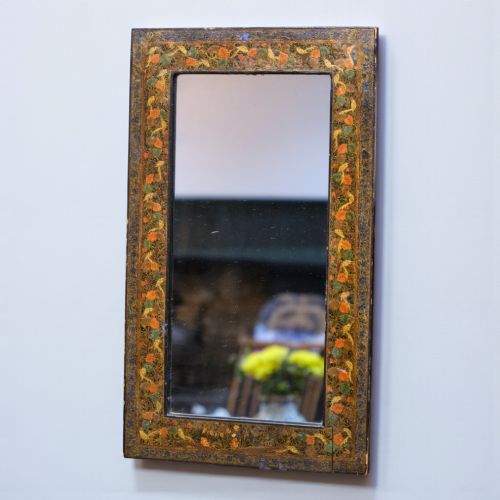
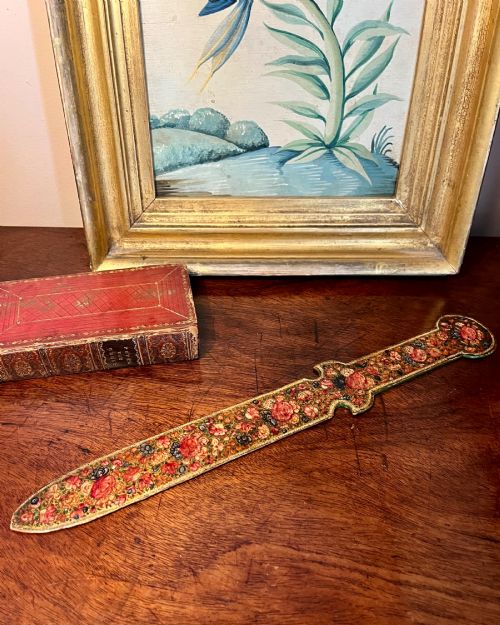
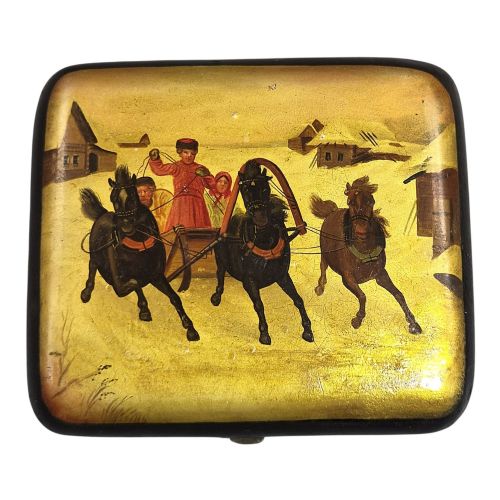
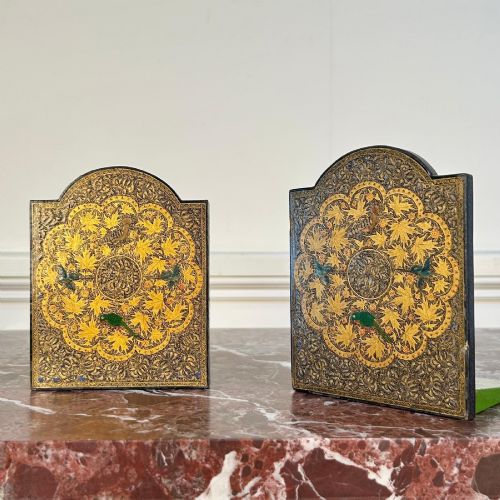
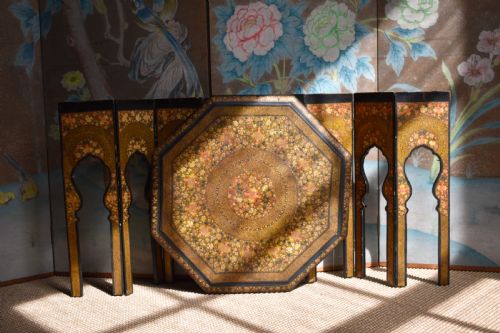
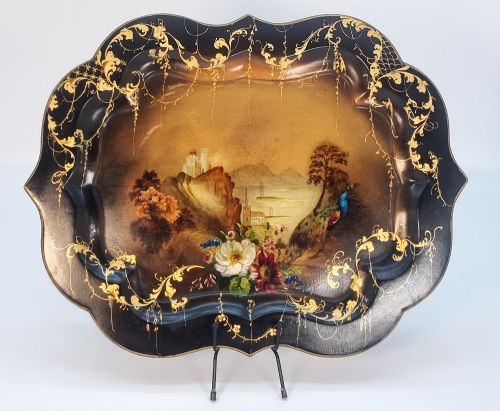
When buyers search for gold painted papier mache, they encounter a diverse selection of nineteenth-century items ranging from large serving trays and occasional tables to smaller items like bookends, lidded pots, and cigarette cases. The selection spans distinct regional origins, including English Regency and Victorian pieces alongside Kashmiri and Russian craftsmanship.
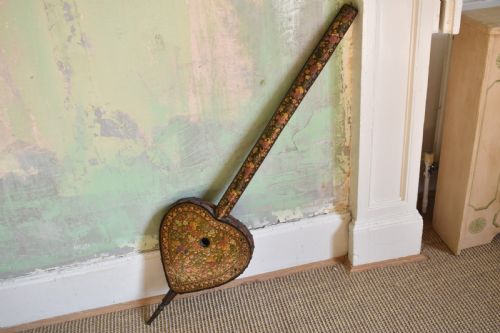
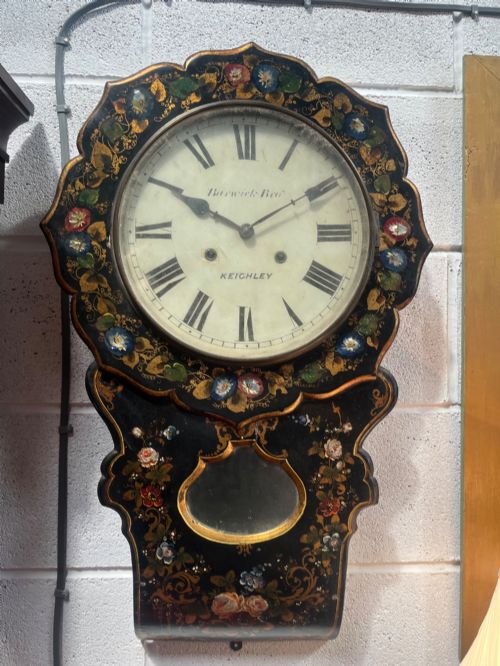
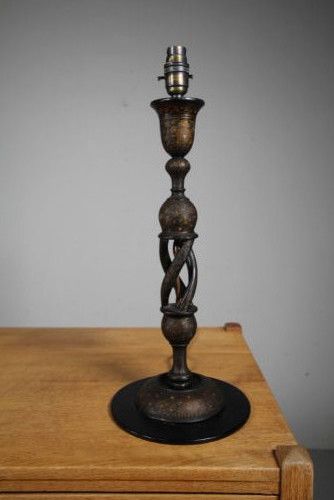
Trays and occasional tables form a substantial portion of these listings, often appearing either as standalone pieces or mounted on later stands to serve as functional coffee tables. Alongside these, table lamps, fire bellows, and wall clocks demonstrate the adaptability of the material for domestic use.
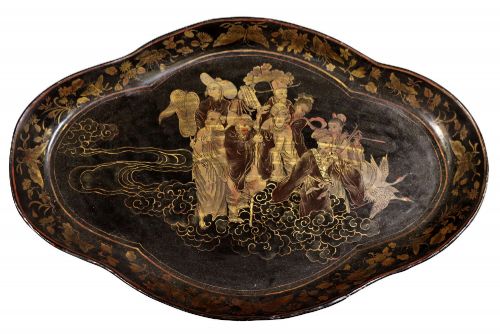
The decorative styles vary significantly, encompassing traditional English Chinoiserie landscapes, elaborate Kashmiri floral motifs, and Russian folk art traditions. Buyers frequently select these objects to introduce period character and reflective metallic detail into contemporary rooms.
Materials and construction methods
Makers constructed these objects using layers of paper pulp or paper sheets combined with binding agents, which dried into a remarkably sturdy material capable of holding intricate shapes and smooth surfaces. Artisans then applied foundational layers of lacquer or paint before executing detailed hand-painted decoration.
Gold leaf and gilt paint supplied the distinctive metallic highlights that define these pieces, contrasting sharply against black, green, or dark red lacquered backgrounds. Wood, brass, and paint often reinforced structural elements, particularly in larger furniture pieces such as occasional tables and desk tidies.
Materials appearing across these listings include papier-mâché, lacquer, gold leaf, wood, and brass.
Assessing quality and craftsmanship
Quality rests heavily on the precision and fineness of the hand-painted decoration, where master artists produced detailed landscapes, hunting scenes, and intricate floral patterns rather than repetitive stencilling. The depth and integrity of the original lacquer surface also distinguish superior examples from simpler utilitarian objects.
The structural stability of the papier-mâché core and the preservation of the original gilding dictate the overall desirability of each piece. Maker attribution, such as work associated with established makers like Jennens and Bettridge or the Vishnyakov workshop, elevates the standing of specific items.
Jennens & Bettridge·Vishnyakov Workshop
The Gold Painted Papier Mache Glossary
- Papier-mâché
- A composite material made from paper pulp or reinforced paper layers, moulded and dried to create sturdy decorative and functional objects. This lightweight medium accepted smooth lacquer and paint finishes exceptionally well.
- Lacquer
- A durable resin finish applied to surfaces to create a smooth, glossy protective coating. It forms the dark background characteristic of many traditional papier-mâché items.
- Gilt
- Covered thinly with gold leaf or gold paint to impart a metallic lustre. This technique highlighted borders, scenes, and floral details across Victorian and Kashmiri pieces.
Gold Painted Papier Mache: Frequently Asked Questions
How do I clean papier mache?
Dust surfaces gently with a dry, soft cloth to protect the delicate lacquer and gold paintwork. Avoid using water, liquid cleaners, or abrasive cloths that can damage the historical finish.
Keep these pieces out of direct sunlight and away from excessive moisture to preserve the structural integrity of the paper pulp and the original painted decoration.
Are these trays suitable for serving?
While nineteenth-century trays were originally designed for serving food and drinks, modern owners often utilise them as decorative display pieces or mount them on stands. Using them for heavy daily service can risk wearing the antique lacquer and delicate gold leaf.
If you choose to use a tray for entertaining, place liners on the surface to protect the hand-painted landscapes and floral motifs from moisture and scratches.
How do I identify a Victorian piece?
Victorian pieces frequently display distinct English Chinoiserie motifs, deep black lacquer grounds, and refined gold painted borders. Examining the underside and construction details often reveals the characteristic weight and density of nineteenth-century paper pulp composition.
Signature details or stamps from prominent makers such as Jennens and Bettridge provide definitive proof of period origin and superior manufacturing standards.
What is Kashmiri papier mache?
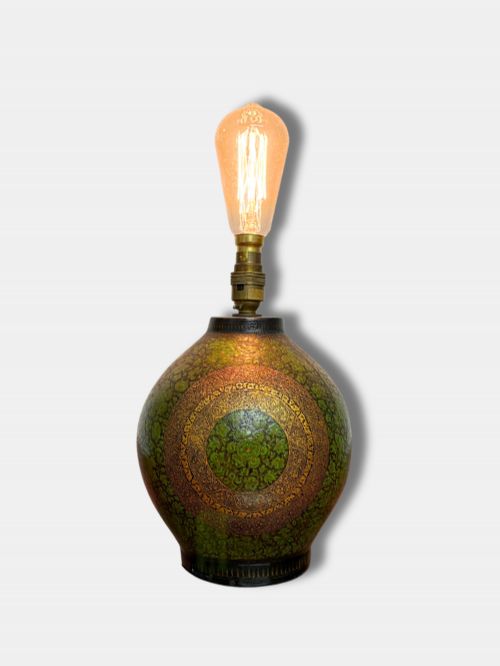
Kashmiri papier-mâché objects encompass intricately painted table lamps, lidded pots, and small furniture items featuring vibrant green, gold, and multi-coloured floral designs. These pieces showcase a distinct regional artistic tradition that developed alongside nineteenth-century trade and craftsmanship.
The distinct painting style often incorporates dense botanical patterns and rich gilt highlights applied over lacquered wood and papier-mâché cores.