





Gold Painted Coffee Table
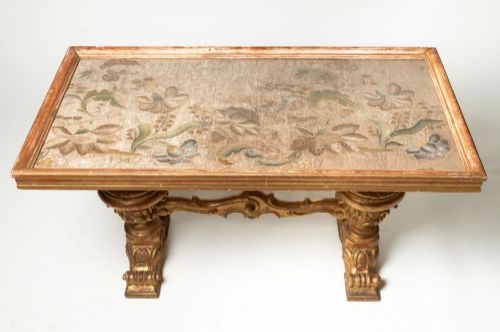
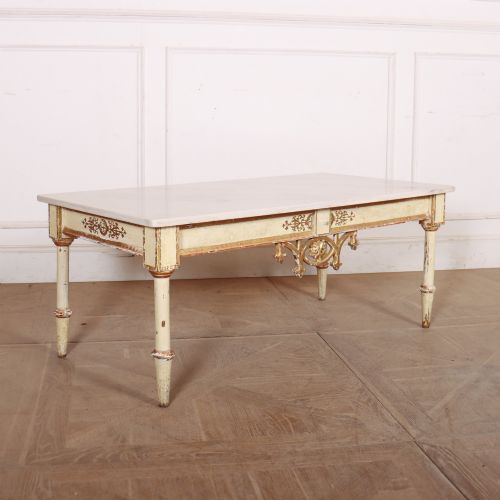
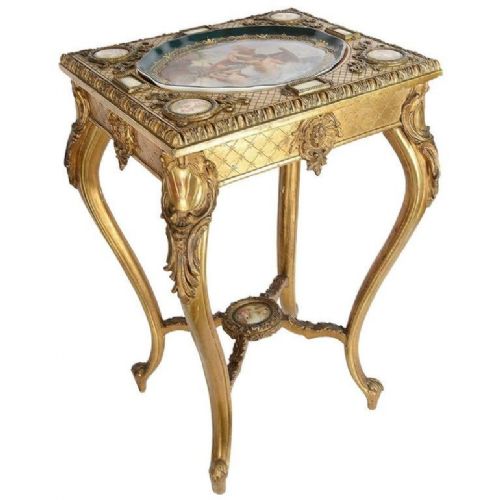
A gold painted coffee table brings gilded surface and low proportions to a room, drawing the eye with metallic sheen and ornate painted detail.
Gold Painted Coffee Table
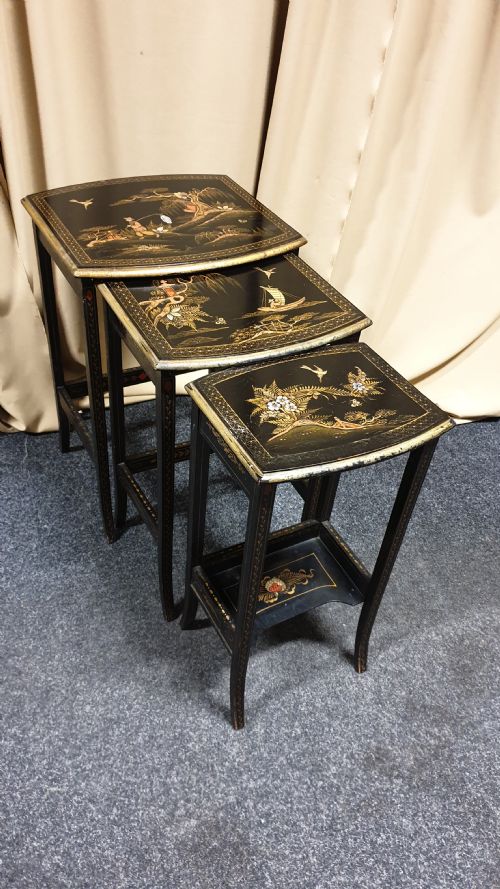
A gold painted coffee table encompasses low occasional pieces, nests of tables, and converted trays resting upon stands. These tables emerge from various periods including the nineteenth century, the Edwardian era, and the nineteen-twenties.
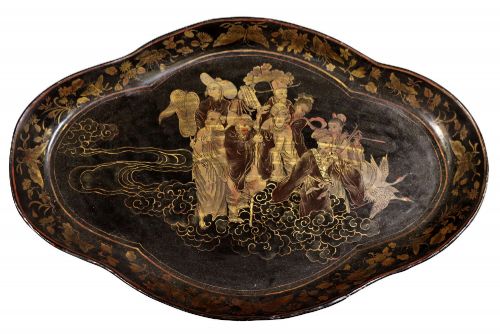
The form often takes inspiration from Regency, Italian Baroque, Louis XVI, and Chinoiserie styles. Buyers commonly encounter black lacquer surfaces adorned with gilt decoration, alongside marble tops and porcelain mounts.
Many examples utilise adapted serving trays or nests of tables configured for low surface use. Origins span across English, French, Italian, and Venetian workshops.
How they were made
Wood serves as the primary structural foundation for these pieces, overlaid with materials like papier-mache for trays and tables. Artisans apply layers of black lacquer to create deep, reflective dark grounds on Chinoiserie examples.
Gold leaf, giltwood, and paint provide the metallic ornamentation and pictorial motifs characteristic of these designs. Marble slabs and porcelain plaques occasionally form the upper surfaces of French and Italian pieces.
Several tables started life as tea trays before earning a permanent retirement on bespoke wooden stands.
What varies in quality
The refinement of the painted and gilded decoration dictates the upper tier of these pieces, separating standard production from exceptional artistry. Hand-painted Chinoiserie scenes and signed works demonstrate superior craftsmanship compared to simpler decorative applications.
The integrity of the underlying structure, whether original stands paired with papier-mache trays or cohesive nests of tables, influences the overall character. Material choices such as inset marble or porcelain mounts also distinguish finer examples.
Jennens and Bettridge·E Daligny
The Gold Painted Coffee Table Glossary
- Chinoiserie
- A European decorative style emulating Chinese artistic traditions, featuring figures, landscapes, and pavilions rendered in gold paint and lacquer.
- Papier-mache
- A composite material made from paper pulp or layers of paper bound with glue, pressed into moulds, and dried to form sturdy trays.
- Giltwood
- Wood carved and subsequently coated with gold leaf or metal powder to create a rich metallic finish.
- Nest of tables
- A set of graduated tables designed to fit neatly beneath one another when not in separate use.
- Quartetto
- A specific set of four stacking tables designed to nest together.
Gold Painted Coffee Table: Frequently Asked Questions
Are these tables sturdy enough for daily use?
These tables function well for everyday placement of decorative items and drinks, provided they receive careful handling.
Heavier examples with marble tops offer solid weight, while delicate papier-mache trays on stands require gentle treatment.
How do I care for the lacquer and gilt surface?
Dusting with a soft, dry cloth preserves the fragile gold paint and lacquer without abrading the finish.
Moisture and harsh cleaning agents damage historic painted surfaces, so liquids should be kept away from the timber.
What is a tray table?
A tray table combines a removable serving tray with a folding or fixed wooden stand.
Many antique examples pair nineteenth-century papier-mache trays with later matching stands to create functional low tables.
How do I distinguish Chinoiserie styles?
Chinoiserie pieces feature distinct Asian-inspired motifs painted in gold against dark lacquer backgrounds.
These designs often incorporate figures, pagodas, and botanical scenes popular in English and European decorative arts.