
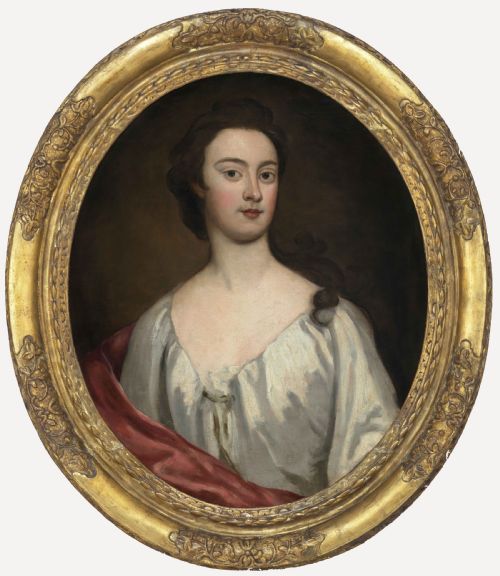
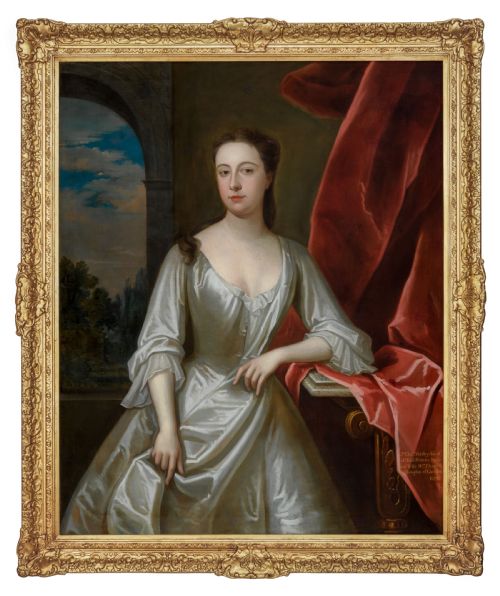
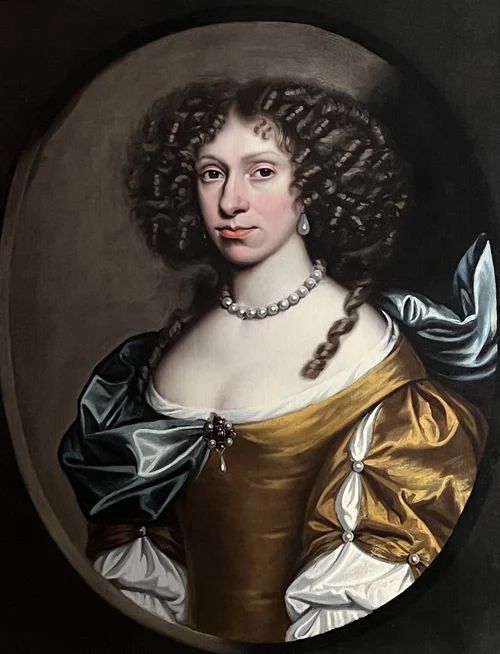


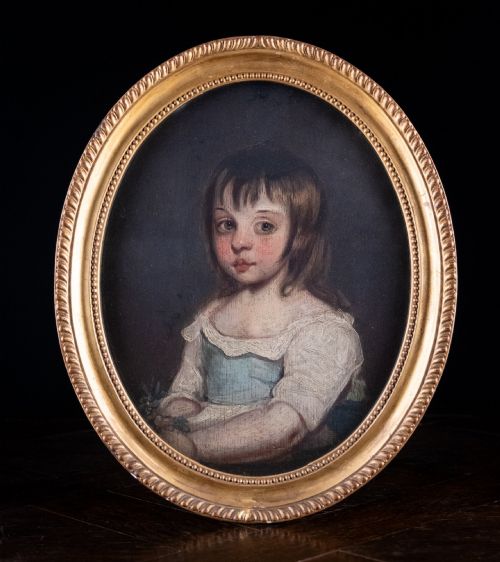
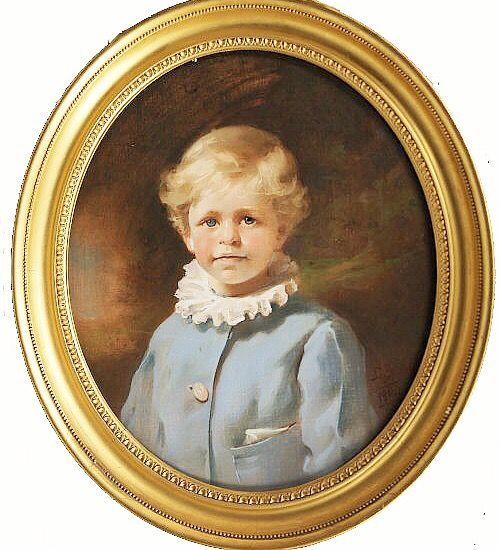
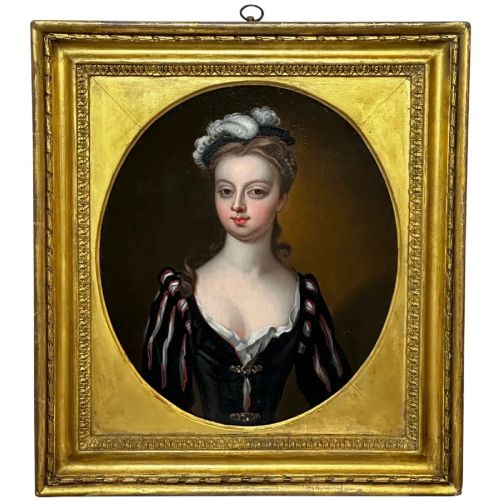
Gold Oval Portrait Painting
A gold oval portrait painting brings centuries of intimate human presence into a room, framed in gleaming metal.
Gold Oval Portrait Painting
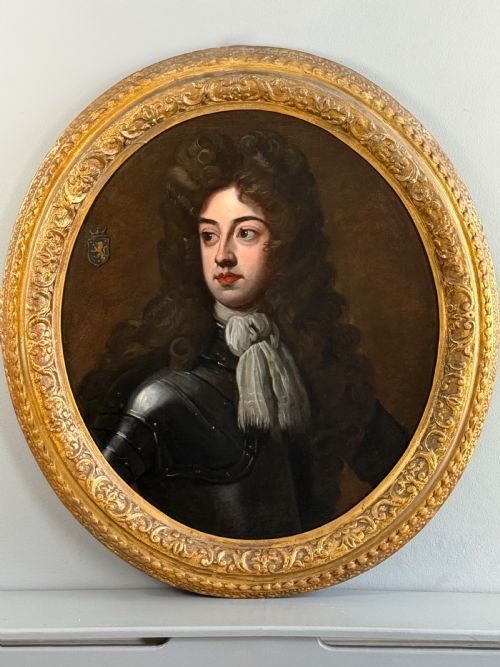
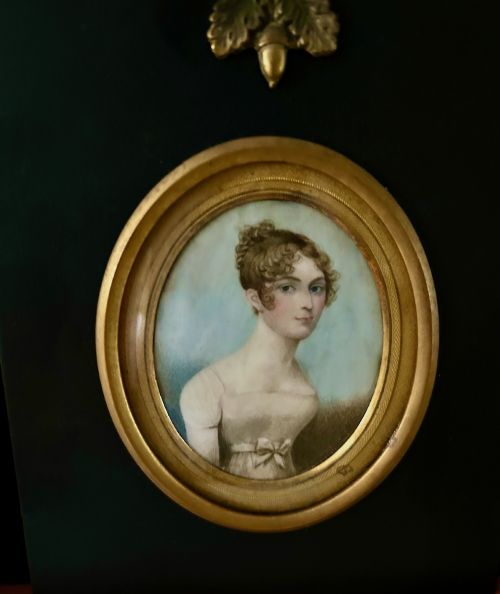
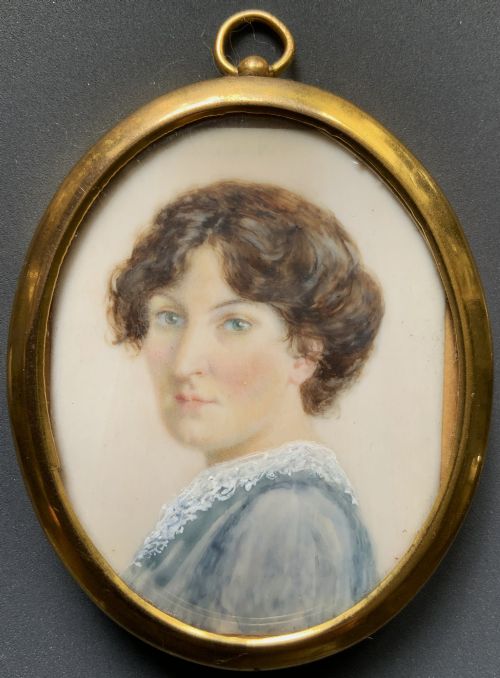
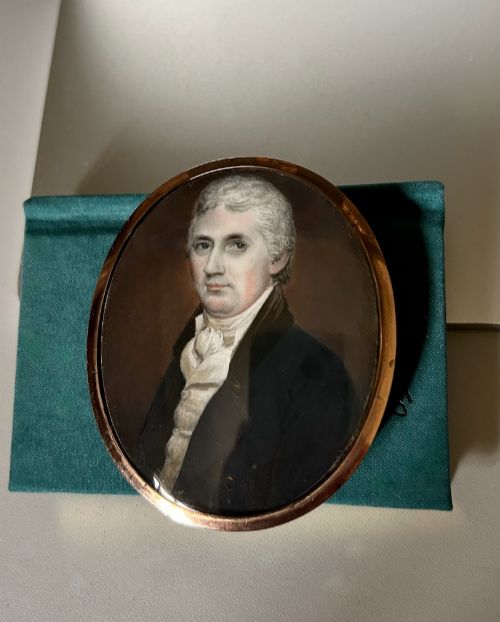
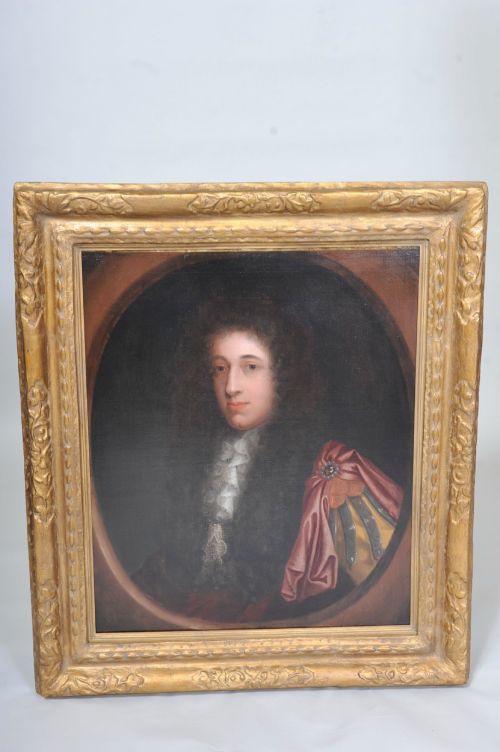
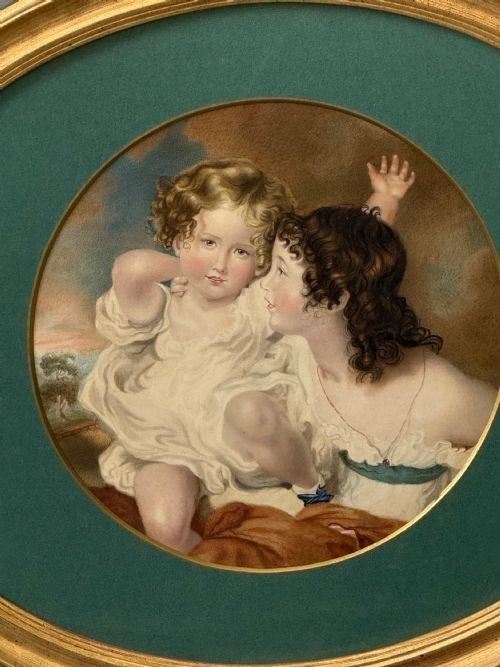
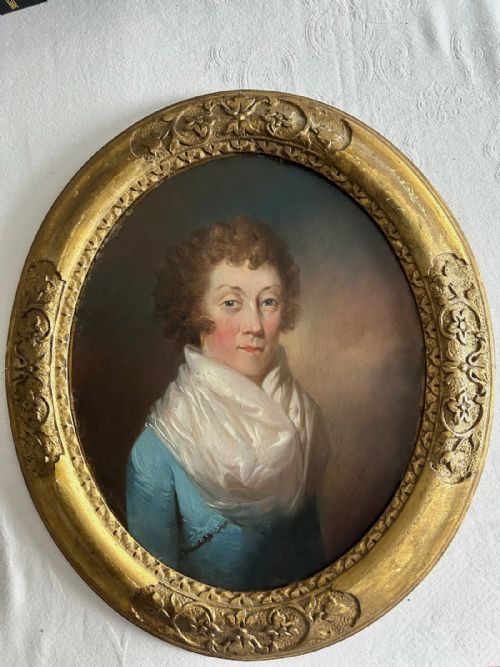
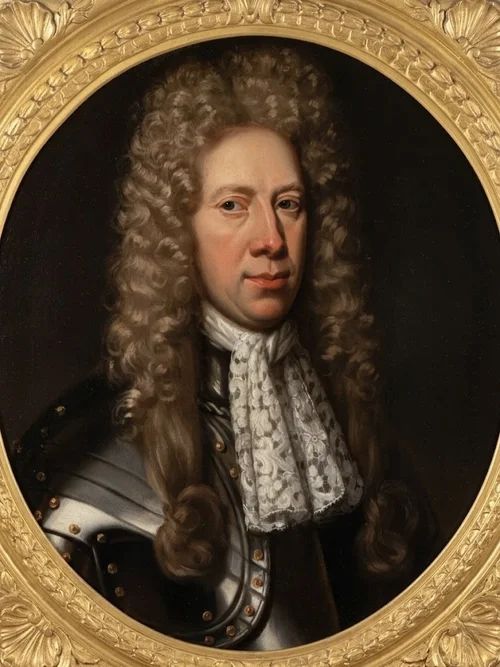
A gold oval portrait painting captures likenesses across the seventeenth, eighteenth, and nineteenth centuries, often rendered in oil on canvas or delicate watercolour. These works range from grand aristocratic depictions to intimate miniature portraits housed in gilded frames.
Buyers on this page meet pieces spanning the Georgian, Victorian, and Edwardian eras, executed by both named masters and regional British or European schools. The curved borders of these artworks direct the eye entirely to the subject's face and expression.
Smaller examples frequently appear as miniature pendants or lockets, while larger canvases utilise ornate giltwood frames to command wall space. Each item preserves historical dress, hairstyle, and portraiture conventions of its specific decade.
Materials and construction methods
Artists painted these portraits using oil on canvas, watercolour on paper or glass, and occasionally pastel, applying pigments with fine brushes to achieve lifelike skin tones and fabric textures. Canvas works stretched across wooden frames required skilled priming and layering to endure over the centuries.
The characteristic golden surrounds take the form of heavy giltwood frames, gold leaf applications, or gold-plated mountings designed to protect and enhance the artwork. Glass covers frequently shield watercolours and miniatures from dust and moisture.
Miniatures set into lockets or brooches demanded microscopic precision, often painted on ivory or vellum before sealing behind convex glass. Wood and gesso formed the underlying structure of larger antique frames, carved into curves before receiving layers of gold leaf.
Several ladies gaze out past elaborate hairstyles while clutching faithful dogs or ripening fruit for eternity.
Assessing quality in portraiture and framing
The skill of the brushwork largely determines the distinction between ordinary and exceptional examples, particularly in the rendering of hands, eyes, and fabrics. Superior artists capture psychological depth and vitality, whereas lesser works remain stiff and formulaic.
The integrity and originality of the surrounding gold frame also influence the overall standard of the piece. Period-correct frames that match the age of the canvas hold greater authenticity than later replacements.
Preservation of the original paint layer without extensive overpainting ensures the historical value remains intact. Subtle tonal gradations and well-maintained glazing indicate careful ownership across generations.
Joseph Vivienne·Jeremiah Davison·Sir Godfrey Kneller·David Scougall·James Sharples·John Scougall·Leon Sprinck·John Vanderbank·Allan Ramsay·John Russell·Thomas Beach·Pieter Borseler·John C D Engleheart·Emily Eyres
The Gold Oval Portrait Painting Glossary
- Portrait miniature
- A small-scale painting, often executed on ivory, vellum, or card, designed for personal carriage or intimate display. These delicate works frequently feature gold bezels and glass backs containing woven hair.
- Giltwood
- Wood, typically pine or oak, that has been coated with a thin layer of gold leaf or gold paint. This technique provided the opulent appearance of solid gold for frames and architectural elements.
- Oil on canvas
- A painting medium utilising pigments suspended in a drying oil, applied to a woven fabric support. This combination allowed artists to blend colours smoothly and achieve rich textures.
- Gouache
- An opaque watercolour medium used by miniature painters to create solid areas of colour and sharp detail. It dries to a matte finish that absorbs light differently than oil paint.
- Provenance
- The documented history of ownership surrounding an artwork, establishing its authenticity and origin. Clear records help trace the journey of a painting from its creation to the present day.
Gold Oval Portrait Painting: Frequently Asked Questions
How should I hang a gold oval portrait painting?
These works suit smaller wall spaces, studies, or grouped gallery arrangements where their curved shapes can provide a visual contrast to rectangular frames. Ensure they hang away from direct sunlight to protect vulnerable pigments.
Secure them using appropriate picture hooks rated for the weight of the frame and canvas. Because many antique frames are heavy despite their modest dimensions, a two-point hanging system provides extra stability.
Were these portraits originally meant for display?
Larger canvas examples hung in country houses and town residences to record family lineages and project social standing. Subjects sat for weeks to capture their likenesses accurately.
Miniature versions served as tokens of affection, worn close to the heart or kept on writing desks. They often commemorated marriages, departures, or family members who had passed away.
How do I distinguish eighteenth-century pieces from Victorian ones?
Georgian and eighteenth-century portraits often display softer lighting, powdered wigs, and distinct costume details like lace cravats and velvet coats. The brushwork tends towards looser, painterly academic styles. Ninteenth-century and Victorian works frequently reveal sharper photographic influences in their poses, alongside tighter detailing in clothing and hair. The framing styles also shift towards heavier, more ornate gilded mouldings.
Can I wear portrait miniature jewellery safely?
Most antique portrait miniatures housed in brooches or lockets are fragile items requiring careful handling. The glass covers and delicate painted surfaces can suffer damage if subjected to knocks or heavy daily wear.
It is generally wiser to display wearable pieces in protective shadow boxes or keep them for very occasional use. Avoid exposing them to moisture, perfumes, or cosmetics that could degrade the gold mountings or seep into the paintings.