


Gold Ormolu Lamp Pair
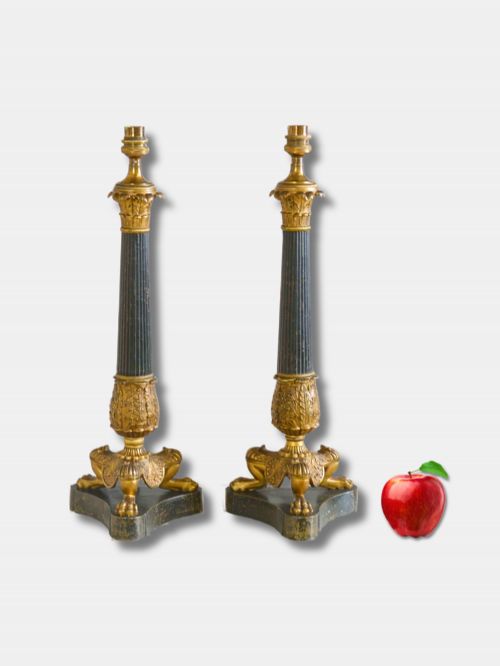
A gold ormolu lamp pair brings rich metallic warmth and French classical elegance to a room, offering matched illumination for a mantel or sideboard.
Gold Ormolu Lamp Pair
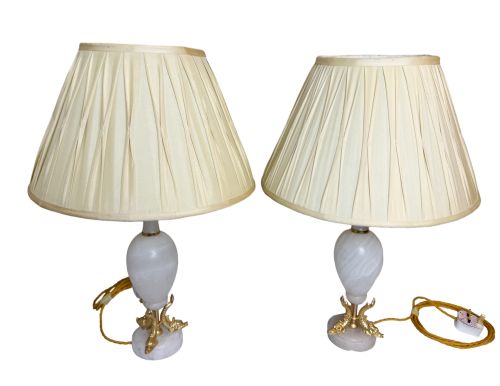
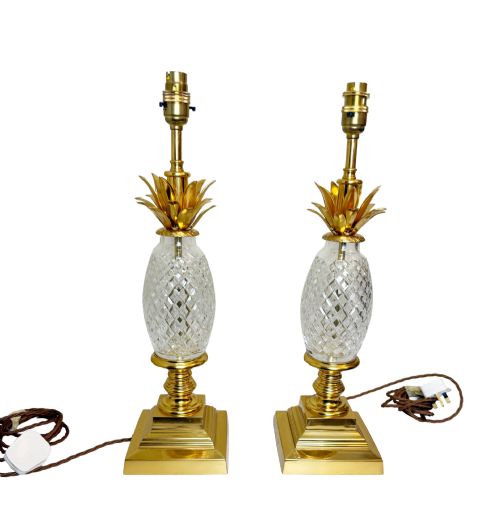
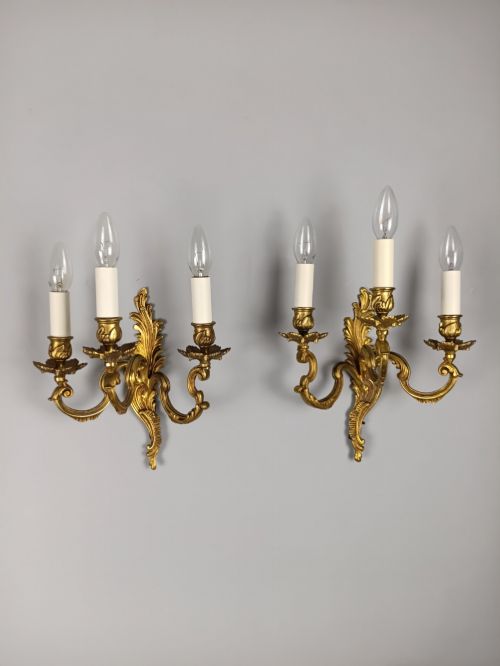
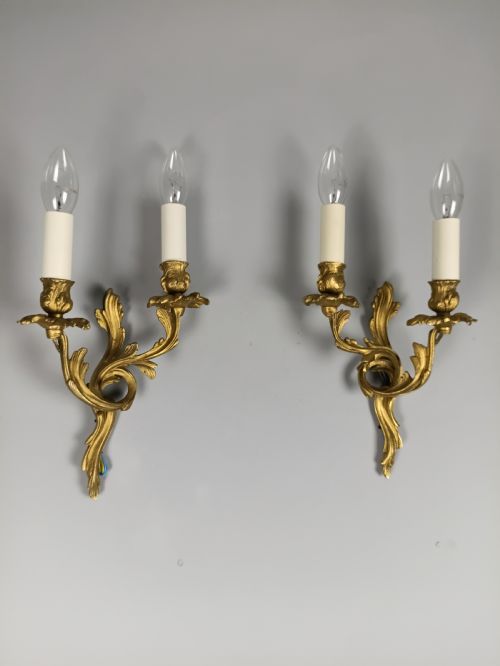
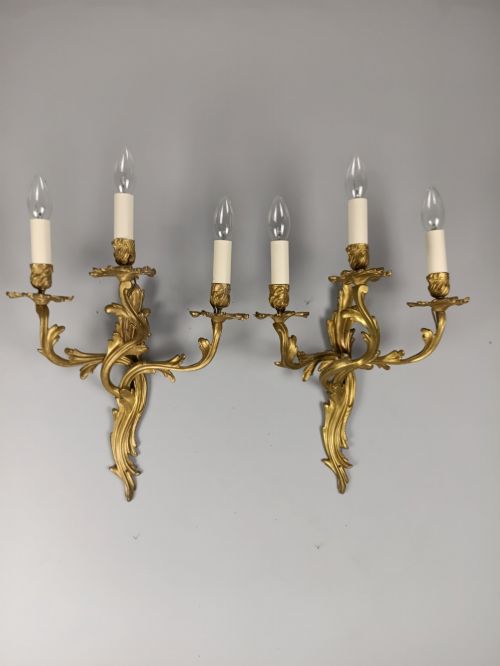
A gold ormolu lamp pair comprises matched lighting fixtures featuring finely chased gilt metal mounts, often adapted from earlier candlesticks, vases or urns. These decorative objects draw heavily on French design vocabularies, ranging from ornate rococo curves to strict neoclassical symmetry.
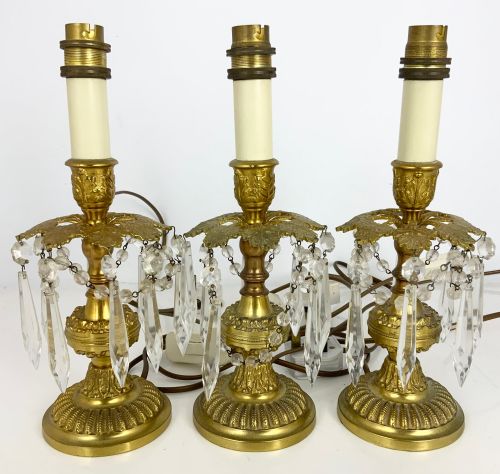
Buyers seeking this phrase encounter table lamps, candlestick conversions and wall sconces created from diverse materials paired with metal work. Pieces bearing nineteenth-century dates and early twentieth-century interpretations dominate the selection available on this page.
Many examples incorporate porcelain bodies, crystal columns or marble bases alongside the distinct golden bronze mountings. The pairing creates balanced compositions designed to sit symmetrically in formal interiors.
Materials and Construction
Craftsmen utilised bronze, brass and gilt metal to form the structural mounts, applying mercury gilding or modern electroplating to achieve a brilliant gold finish. These metal components were frequently cast in detailed sections before undergoing meticulous chasing by hand to sharpen the decorative motifs.
Makers combined these metallic elements with carved marble, natural stone, moulded crystal and imported ceramic vessels such as Chinese vases. Fabric shades and internal electrical wiring were added during later conversions to transform decorative candleholders and oil lamps into functional domestic lighting.
Design influences span French Rococo, Empire, Chinoiserie and Neoclassical styles across multiple centuries.
Assessing Quality and Craftsmanship
The integration of the secondary materials dictates overall harmony, as higher-quality pieces use heavy, unblemished marble, clear crystal, or undamaged porcelain bodies. The structural stability of the mounted components and the precision with which the metal embraces the ceramic or stone core reveal the underlying skill of the workshop.
The Gold Ormolu Lamp Pair Glossary
- Ormolu
- A technique of applying finely ground high-carat gold amalgam to a bronze object, creating a durable golden surface. The term derives from the French phrase for ground gold.
- Chasing
- The process of hand-tooling metal surfaces with punches and hammers after casting to refine details and textures. This metalworking step gives decorative mounts their sharp definition.
- Rococo
- An artistic style characterised by asymmetry, scrollwork, and organic curves inspired by shells and plants. It heavily influences eighteenth-century French decorative arts and later revival pieces.
- Neoclassical
- A revival style drawing inspiration from classical antiquity, featuring strict symmetry, columns, and architectural motifs. It provides a restrained counterpoint to earlier curving designs.
- Candelabrum
- A branched candleholder designed to hold multiple candles, frequently converted into electrified table lighting during the twentieth century. These adaptable objects retain their balanced arm configurations.
Gold Ormolu Lamp Pair: Frequently Asked Questions
How do I wire antique lamps safely?
Most older fixtures require modern rewiring to meet contemporary electrical standards and ensure domestic safety.
Professional electricians can thread modern flex through existing central channels without damaging the delicate historical metalwork.
What periods do these lamps date from?
The selection spans from the Regency era through to the early twentieth century, encompassing Victorian and Edwardian manufacturing.
Many pieces revive eighteenth-century French royal aesthetics, particularly Louis XVI and Empire styles.
Can I use standard lamp shades?
Standard shades fit most table models provided the harp or shade carrier matches the fitter size.
Selecting silk or parchment shades in neutral tones complements the reflective quality of the metallic mounts.
How do I clean gilt bronze mounts?
Dust the metal gently with a soft dry brush to prevent accumulation in the intricate chased recesses.
Avoid abrasive metal polishes and chemical cleaners, which permanently strip the fragile gold surface layer.