






Gold Mount Painting
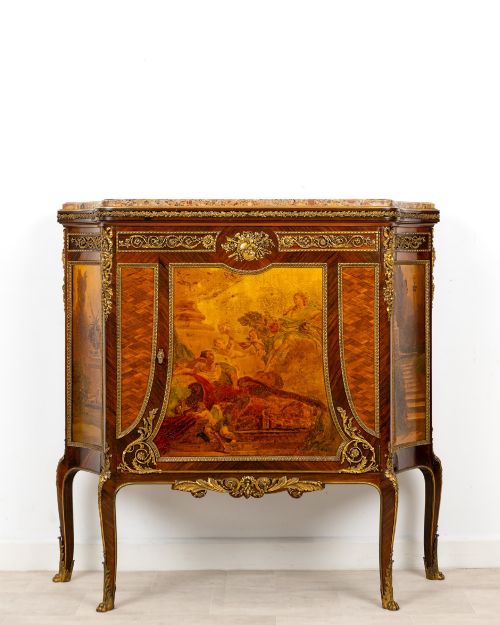
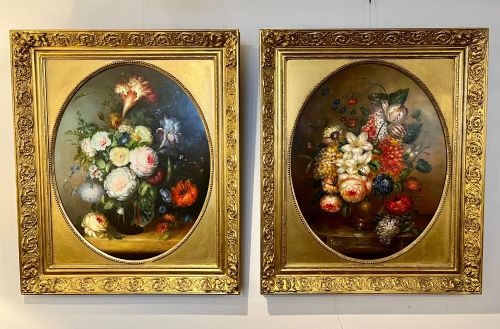
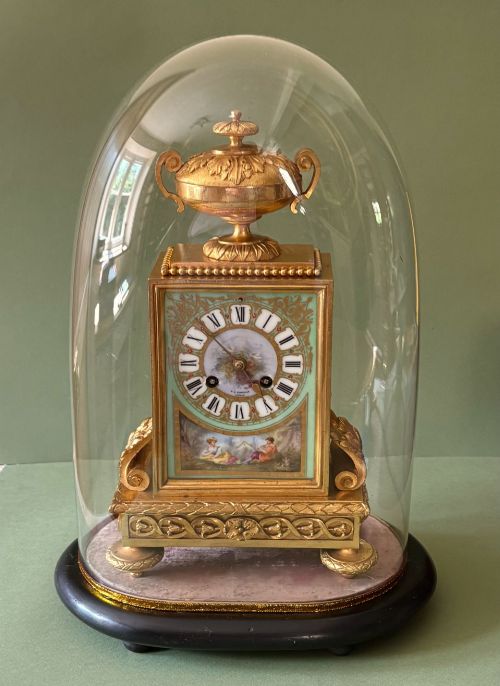
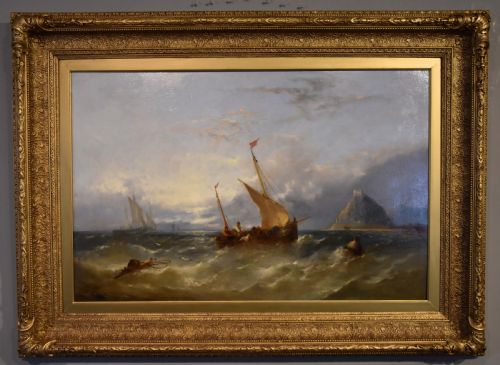
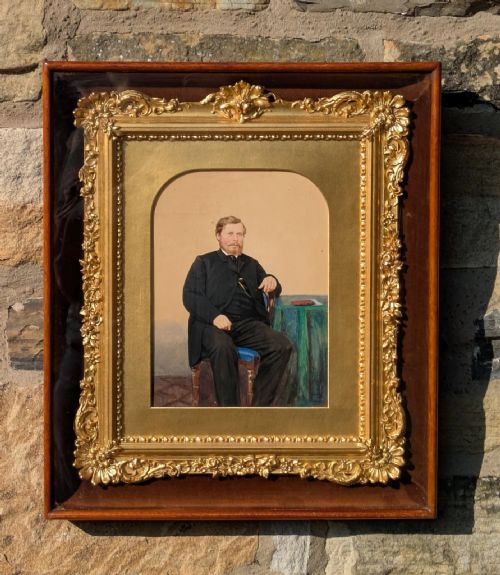
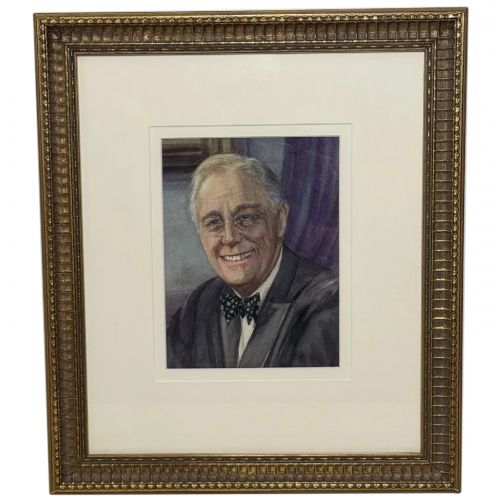
These gold mount painting works gather framed artworks and painted objects set within metallic or gilt surrounds.
Gold Mount Painting
A gold mount painting search brings up framed artworks, miniatures, and decorative pieces where the visual presentation relies heavily on metallic framing or surrounding mounts.
The selections span portrait miniatures, watercolours, and pastoral scenes framed in gilt wood, ormolu, or gilt metal.
Most examples originate from the nineteenth century, reflecting Victorian and French revival tastes for ornate decorative borders.
Materials and Construction
Makers utilised glass, paper, wood, and porcelain as the primary surfaces for watercolours, oils, and enamel paintings.
Surrounds and mounts were formed from gilt wood, gold leaf, or ormolu, often integrating intricate brass work or velvet backing to elevate the presentation.
Gold Mount Painting Retail Price Guide 2026
Typical asking prices for gold mount painting among the pieces listed under this phrase on Sellingantiques today, from the lower quarter to the upper quarter. They describe what is for sale here now, not the wider market.
Several miniature portraits hide behind deep glazed velvet boxes, ready to keep their subjects secret until opened.
Assessing Quality and Execution
Quality rests in the crispness of the framing technique and the preservation of the painted surface beneath the glass.
Pieces showing hand-carved gilt frames or detailed champleve enamel mounts generally indicate superior craftsmanship compared to simpler moulded surrounds.
François Linke·Sir Thomas Lawrence·William Henry Williamson·Arthur William Devis·William Wood·Henry Bone·Robert Winchester Fraser·Harry Bright·William Edward Frost·George Stanfield Walters
The Gold Mount Painting Glossary
- Gilt Wood
- Wood that has been treated with a thin layer of gold leaf or gilt finish. This technique creates a luminous boundary that enhances the artwork within.
- Ormolu
- Cast bronze that has been gilded with finely ground gold. It provides a heavy, golden decorative mount frequently seen on nineteenth-century pieces.
- Watercolour
- A painting method where pigment is mixed with a water-soluble binder on paper. It often appears under deep glazed glass mounts.
- Enamel
- A glassy substance fused to a metal surface through firing. Miniature portraits frequently employ this medium for durability and fine detail.
Gold Mount Painting: Frequently Asked Questions
What defines a gold mount painting?
These pieces consist of painted artwork, porcelain panels, or miniatures housed within prominent metallic, gilt, or brass surrounds. The mount acts as an integral architectural border for the visual work.
Such items were created primarily to display small-scale portraits, landscapes, and decorative scenes with heightened visual impact.
How should these framed items be displayed?
Display them away from direct sunlight to protect delicate watercolours, paper surfaces, and gilt finishes from fading. Stable indoor humidity helps preserve both the wooden backing and the metal mounts.
Wall placement should account for the weight of ormolu or heavy wooden frames, ensuring secure fixings are utilised.
How do I identify nineteenth-century examples?
Nineteenth-century pieces often display characteristic French revival or Victorian framing styles, utilising materials like ormolu, champleve enamel, and deep velvet shadow boxes. Examining the rear construction and fasteners provides further clues to the period.
Artists' signatures and paper watermarks, where visible, also anchor the work securely within the 1800s.
What is the difference between gilt wood and ormolu?
Gilt wood involves applying gold leaf or paint over a carved wooden frame, offering a lighter decorative border. Ormolu consists of cast bronze finished with real gold gilding, providing significant weight and metallic sheen.
Both materials serve to highlight the painting, but ormolu was typically reserved for grander decorative objects and clock mounts.