



Gold Metal Figurines
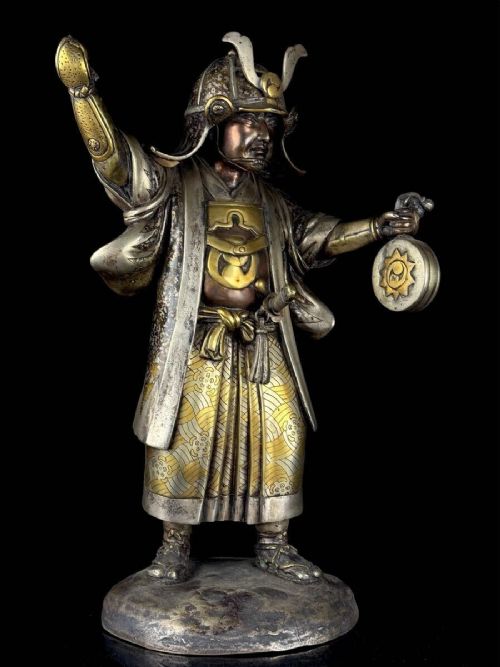
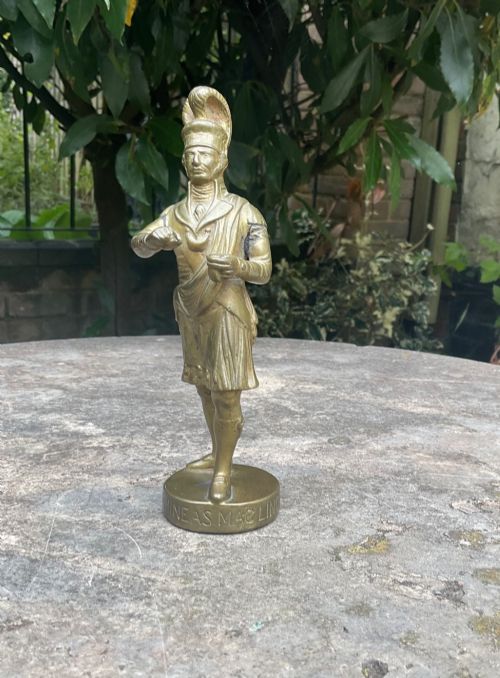
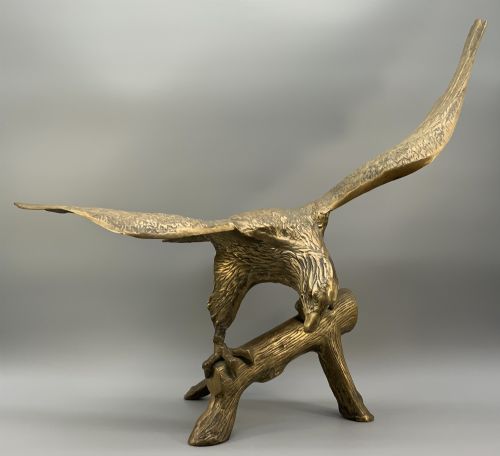
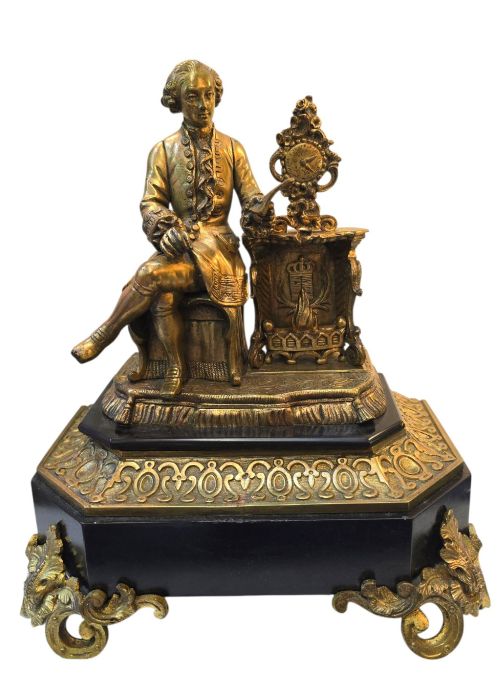
Gold metal figurines bring together cast bronze, gilt metal and spelter across periods from the sixteenth century to mid-century modern.
Gold Metal Figurines
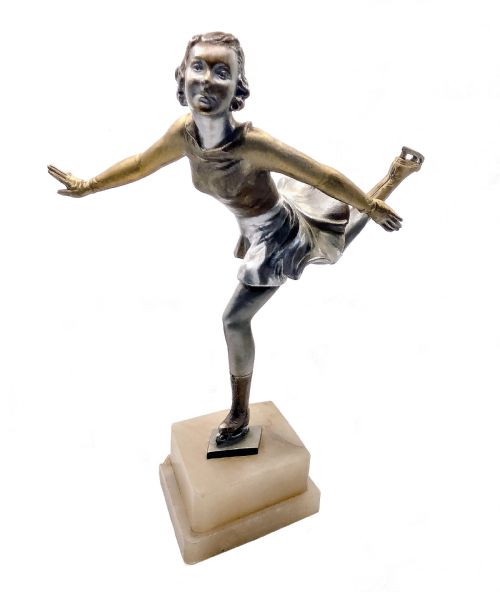
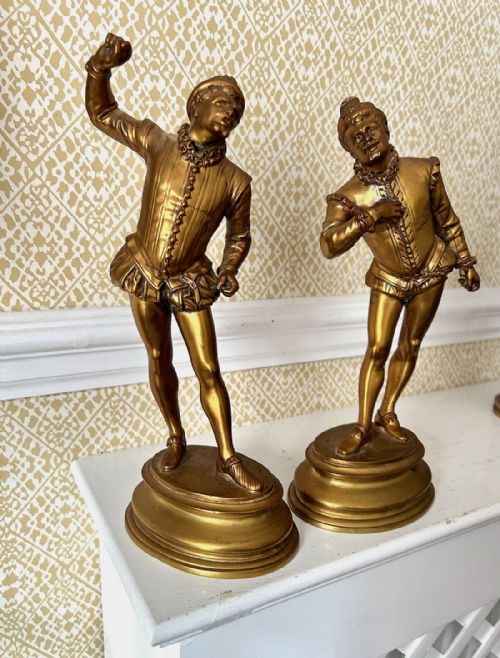
Gold metal figurines encompass small sculptures, statues, bookends and desk accessories rendered in bronze, brass, spelter and gilt metals. When exploring gold metal figurines, collectors encounter works ranging from French figural bronzes and Art Deco spelter ladies to antique Asian bronzes and Grand Tour souvenirs. These objects reflect diverse stylistic movements including Art Nouveau, Egyptian Revival, French Renaissance Revival and Mid-Century Modern.
The selection includes nineteenth-century French figures, nineteen-thirties Art Deco pieces on onyx or alabaster bases, and earlier works such as sixteenth-century Ayutthaya style Buddhas. Forms extend from animals and birds to human figures, literary characters and classical subjects. Buyers frequently find pieces mounted on marble plinths or integrated into functional items like table lighters and bookends.
How they were made
The objects are produced using metal casting techniques in bronze, brass, spelter and cast iron, often enhanced with surface gilding, cold painting or polishing. Gilt bronze and gilded metal layers provide the characteristic golden surface finish seen across nineteenth-century and Art Deco pieces. Heavier works employ solid cast bronze or brass, whilst many twentieth-century decorative figures utilise spelter finished to resemble more precious metals.
Gold Metal Figurines Retail Price Guide 2026
Typical asking prices for gold metal figurines among the pieces listed under this phrase on Sellingantiques today, from the lower quarter to the upper quarter. They describe what is for sale here now, not the wider market.
Listings feature periods spanning from the sixteenth century to mid-century modern, encompassing materials from solid bronze and cast brass to gilt spelter.
What varies in quality
The integrity of the original base materials, whether veined marble, onyx or alabaster, contributes to the overall presence of the object. Heavier, solid metal castings demonstrate superior structural stability compared to hollow or lighter base metal alternatives. Superior patination and minimal wear to the gold-toned surfaces indicate careful preservation over time.
Pierre-Augustin Caron de Beaumarchais·Josef Lorenzl·Emile-Coriolan Guillemin·Jennings Brothers·Charlotte Monginot·Jose Dunach
The Gold Metal Figurines Glossary
- Spelter
- A zinc-based alloy commonly utilised as a less expensive alternative to bronze for decorative figures, particularly during the Art Deco period. It takes patination and gilding well but is softer than bronze.
- Gilt Bronze
- Bronze metal that has been coated with a thin layer of gold using fire gilding or electroplating methods. This technique creates a durable golden lustre across nineteenth-century sculptures.
- Grand Tour
- A nineteenth-century cultural journey undertaken by wealthy Europeans, resulting in souvenir bronzes and classical figures purchased abroad. These pieces often replicate antique statues.
- Cold Painted
- A polychrome decoration technique where paint is applied to a bronze or metal object without subsequent high-temperature firing. This finish requires gentle handling to prevent flaking.
- Car Mascot
- A decorative metal sculpture mounted on the radiator cap of an automobile, popular during the Art Deco era. Many were modelled as figures, animals or sporting subjects.
Gold Metal Figurines: Frequently Asked Questions
What is spelter?
Spelter is a zinc alloy frequently utilised for European decorative figures during the late nineteenth and early twentieth centuries. It serves as a more accessible alternative to bronze.
Artisans often painted or gilded spelter to simulate precious metals, mounting the resulting figurines on heavy stone bases like onyx or alabaster.
What were figural bookends used for?
Figural bookends served to support upright rows of books on shelves and desks whilst doubling as decorative sculptures. They gained popularity during the Victorian and Art Deco eras.
Manufacturers weighted the metal figures with heavy bases made of marble, iron or stone to ensure stability.
Where were Grand Tour bronzes made?
Grand Tour bronzes were produced primarily in Italy and France during the nineteenth century for travellers collecting souvenirs of classical antiquity. They reproduced famous sculpture from Rome and Greece.
These reductions allowed collectors to display museum-scale antiquities within domestic nineteenth-century interiors.