



Decorative Metal Statues
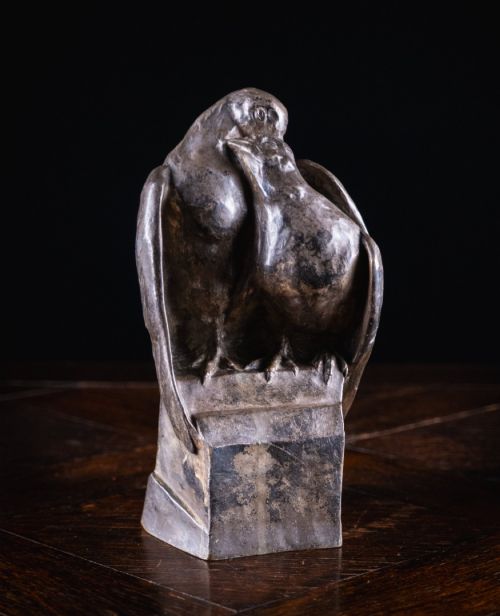
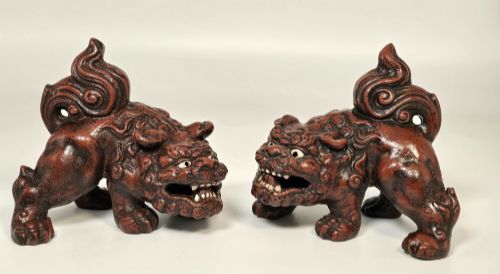
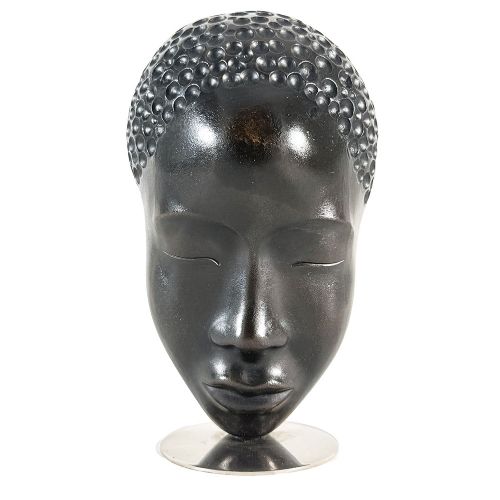
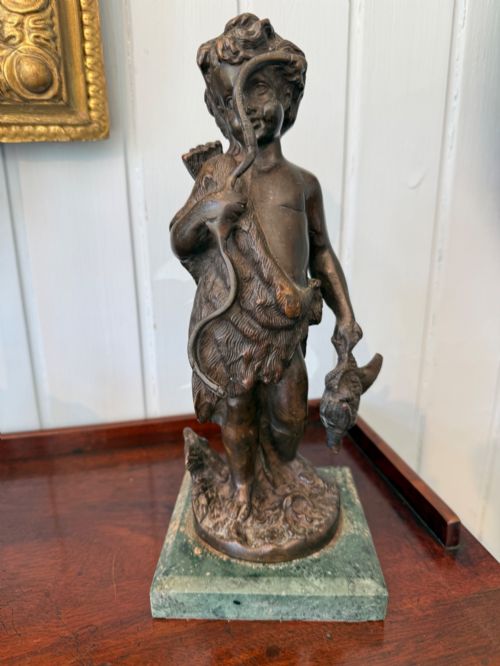
These decorative metal statues bring character to a room, spanning bronze figures, cast iron animals, and spelter dancers.
Decorative Metal Statues
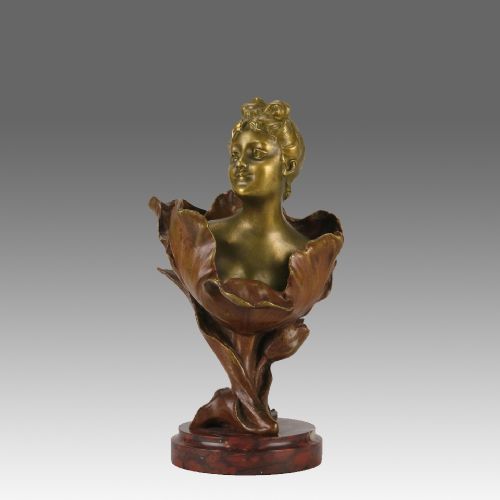
Decorative metal statues encompass figures, animals, busts, and functional items like bookends and table lamps cast in various metals. When exploring decorative metal statues, expect to encounter pieces ranging from Victorian cherubs and Neoclassical horses to Art Deco dancers and Orientalist subjects.
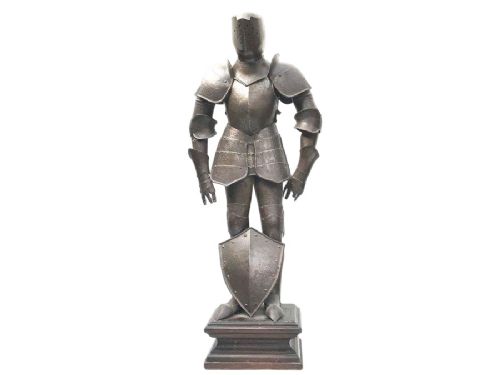
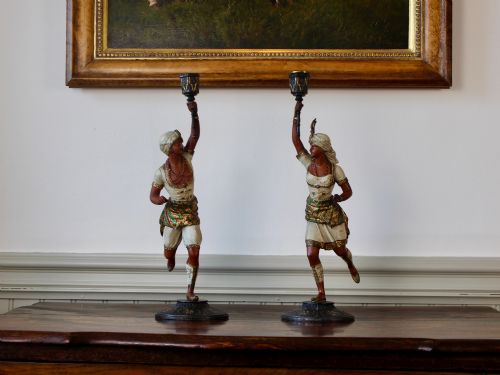
The selection includes French, Italian, English, and Russian pieces produced across the nineteenth and early twentieth centuries. Common forms include single figures, pairs of candlesticks, doorstops, and miniature suits of armour.
Makers and foundries utilised styles such as Art Nouveau, Gothic Revival, and Imperial Russian alongside the dominant Art Deco aesthetic. Buyers often find figures mounted on marble, onyx, alabaster, or wood bases.
What varies in quality
The choice of base and the integrity of the original surface finish distinguish the standard of production. Signed works by recognised modellers command attention for their sculptural proportion and artistic execution.
Decorative Metal Statues Retail Price Guide 2026
Typical asking prices for decorative metal statues among the pieces listed under this phrase on Sellingantiques today, from the lower quarter to the upper quarter. They describe what is for sale here now, not the wider market.
Henri Godet·Fabergé·Lucien Madrassi·P.Sega·Pierre le Faguays
The Decorative Metal Statues Glossary
- Spelter
- A zinc alloy frequently used as a cost-effective substitute for bronze in nineteenth and twentieth-century figures. It accepts cold painting well but is softer and more brittle than bronze.
- Cold-painted
- A method where paint is applied to metal without subsequent firing in a kiln. This finish is susceptible to flaking and wear over time.
- Chasing
- The manual refinement of a metal casting using small chisels and punches to sharpen details and remove surface imperfections. Skilled chasing elevates the visual depth of hair, fabric, and feathers.
- Gilt bronze
- Bronze that has been coated in a thin layer of gold or gold-coloured alloy. It provides a permanent lustrous finish that resists tarnishing.
- Figural lamp
- A functional lighting fixture incorporating a sculpted human or animal form as the primary decorative element. These pieces combine illumination with sculptural presence.
Decorative Metal Statues: Frequently Asked Questions
What is spelter?
Spelter is a zinc-based alloy commonly utilised for figurative sculptures during the Victorian and Art Deco periods. It offered makers an economical alternative to bronze while allowing for intricate casting.
Objects cast in spelter are lighter than bronze and typically feature applied cold-painted finishes or patination. Collectors handle these pieces with care due to the metal's relative softness.
How do I identify Art Deco figures?
Art Deco figures, dating predominantly from the 1930s, display stylised geometries, aerodynamic lines, and depictions of dancers and animals. They frequently utilise spelter or silvered bronze mounted on heavy marble or onyx bases.
These pieces reflect the modernism of the interwar period, often capturing motion in the poses of female dancers, birds, and sports figures.
What are figural bookends?
Figural bookends are matched pairs of heavy decorative objects designed to support upright rows of books on a shelf or desk. They often feature sculptural animals, human figures, or architectural motifs.
In this selection, examples include marble squirrel bookends and cast figures that combine utility with decorative display.
Where were these statues made?
The pieces originate from various European and Asian workshops, with a strong representation from French, Italian, and English foundries. Russian and Chinese works also appear, reflecting international trade and stylistic exchange.
Foundries in Paris and Vienna were particularly prolific in producing cold-painted figures and decorative bronzes during the nineteenth and early twentieth centuries.