
Gold Leafed Wall Mirror
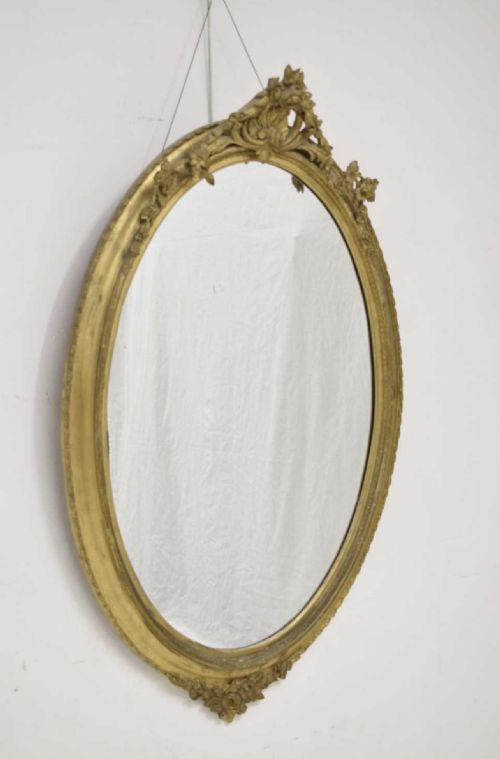
A gold leafed wall mirror brings reflective depth and period presence to a room, spanning 18th-century English walnut to French 19th-century giltwood.
Gold Leafed Wall Mirror
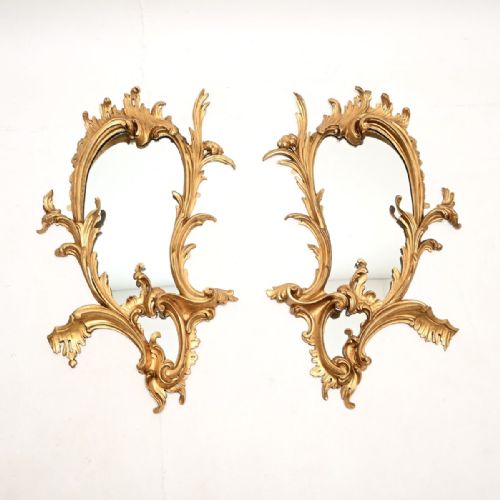
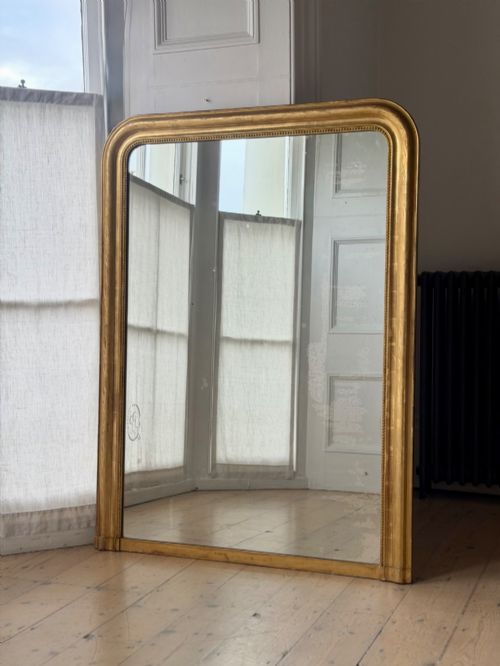
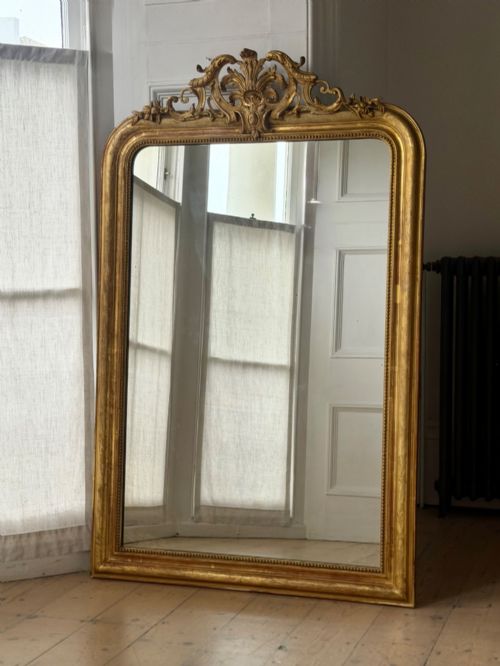
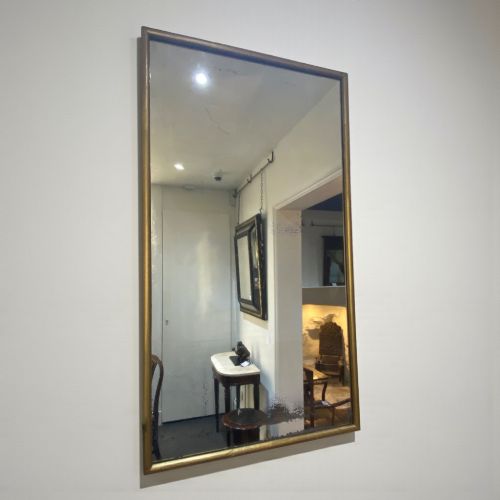
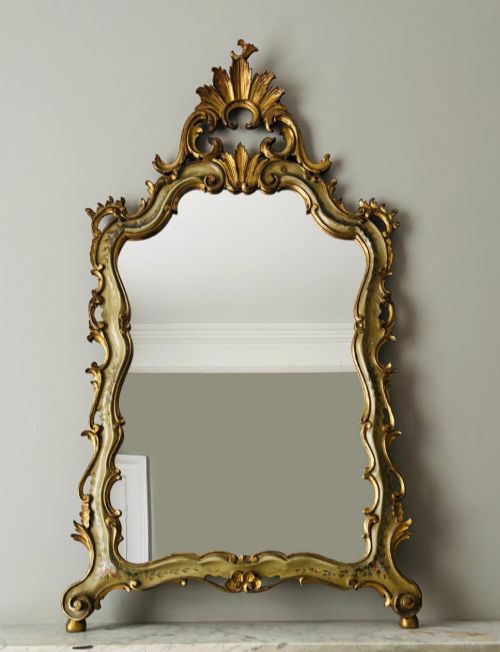
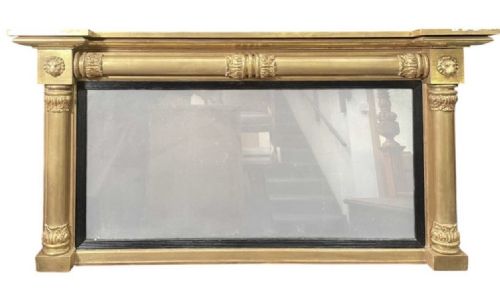
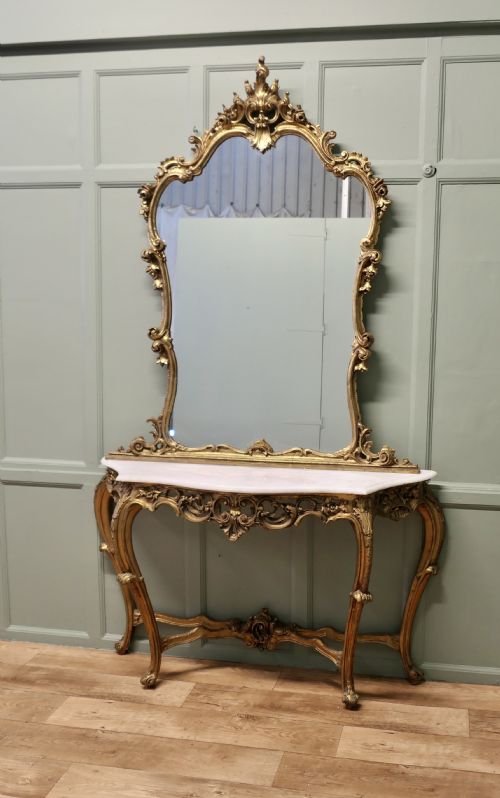
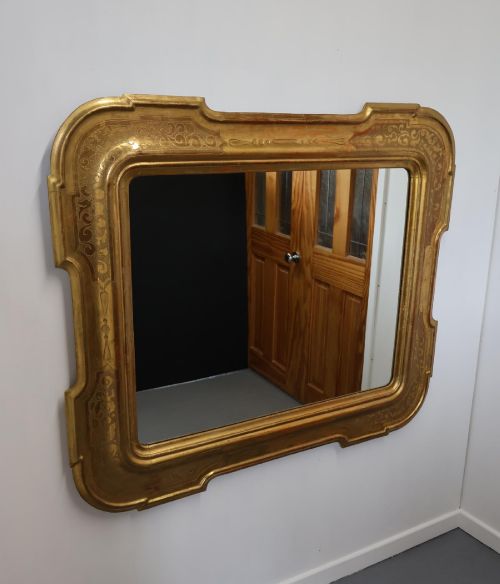
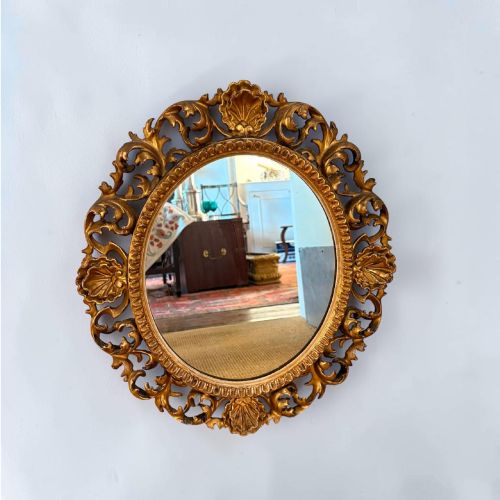
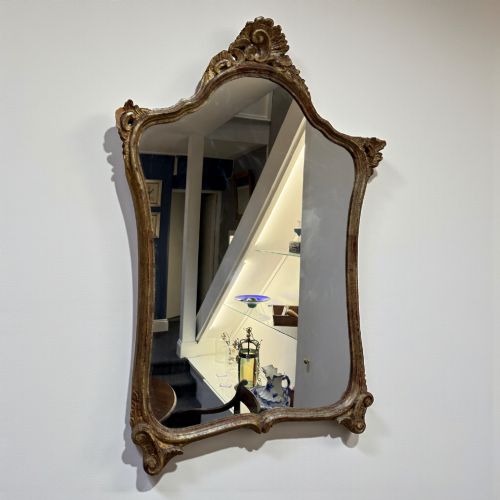
A gold leafed wall mirror is typically encountered as a grand overmantel piece, a tall pier mirror, or an oval wall frame stemming from the 18th and 19th centuries. Buyers searching this phrase meet English and French designs displaying styles from Regency and Victorian to Rococo Revival and Louis Philippe.
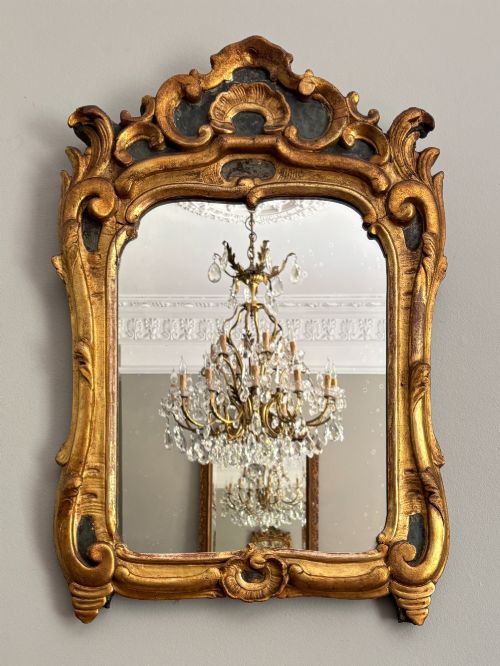
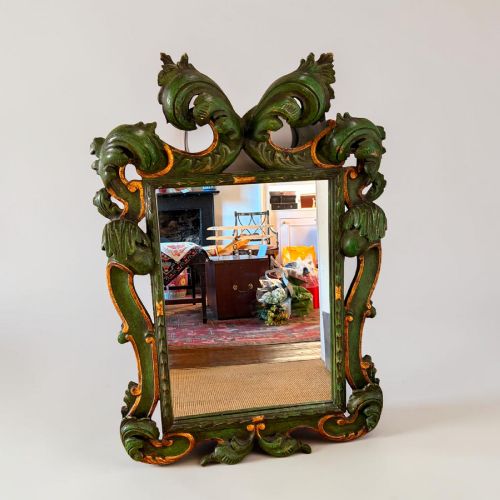
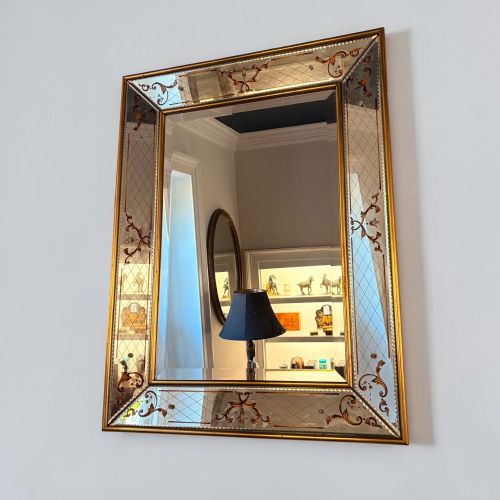
The selection ranges from large architectural leaner mirrors to compact carved wooden frames fitted with original mercury glass plates. Many items combine gilded surfaces with painted wood or composition ornament.
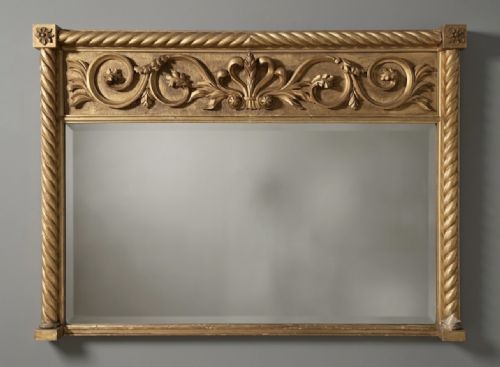
Overmantel mirrors dominate the larger scale formats, often featuring arched tops, rope twist details, or acanthus leaf decoration designed to sit above a fireplace. Pier mirrors occupy vertical wall spaces, frequently incorporating painted elements alongside traditional gilding.
Materials and construction
Makers built these frames using carved wood, gesso, and composition applied over a wooden base before laying down gold leaf or gold paint. The foundational woodwork provides the structural strength for heavy arched overmantels and tall pier mirrors.
Gesso layers receive intricate floral, ribbon, or mythological carvings that define styles such as French Rococo Revival and Victorian gilt work. Gilding techniques include the application of thin gold leaf sheets and metallic pigments over painted wood or timber.
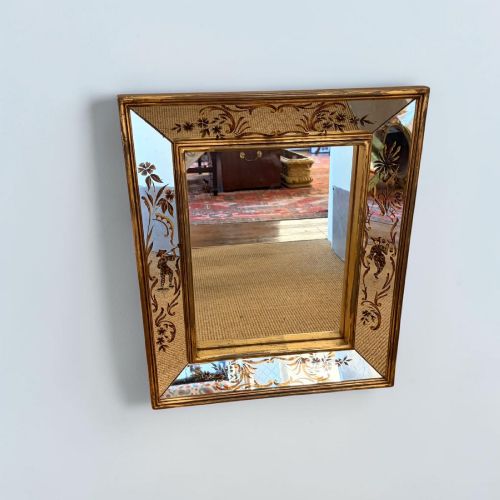
Mirror plates consist of glass, frequently showing age through foxing or utilising historical mercury glass techniques. Frames often integrate parcel gilt details against walnut, mahogany, or olive green painted surfaces.
Several mirrors carry Masonic symbols, blending reflective glass with secretive fraternity geometry.
Craftsmanship and condition
Quality rests in the crispness of the hand-carved wood and gesso ornamentation, where deep relief work separates superior examples from softer composition mouldings. Fine pieces exhibit precise joinery and detailed floral, acanthus, or ribbon motifs that retain their original definition.
The integrity of the gilding and the character of the mirror plate heavily influence the piece. Original mercury glass plates with natural foxing sit at a different level of historical interest compared to later replacements.
Proportion and scale dictate the visual impact of an overmantel or pier mirror. Balanced framing and intact structural elements without heavy warping separate exhibition pieces from standard utility items.
The Gold Leafed Wall Mirror Glossary
- Giltwood
- Wood that has been coated with gold leaf or gold paint. This finish forms the primary reflective housing for the majority of historical mirrors.
- Gesso
- A plaster-like mixture applied to wood frames to create a smooth surface for carving and gilding. Artisans shape this material to form intricate relief decorations.
- Overmantel
- A large mirror designed to hang directly above a fireplace mantelpiece. These pieces frequently feature wide horizontal proportions and arched or shaped tops.
- Pier Mirror
- A tall, narrow mirror made to hang on the wall space between windows. They often incorporate console tables or extend downwards toward the floor.
- Mercury Glass
- A type of silvered glass produced by coating the interior of double-walled glass with a mercury amalgam. It creates a dark, mottled reflective quality often seen in older French plates.
- Foxing
- Age-related spots and discoloration within the mirror plate. This chemical oxidation develops naturally over centuries.
Gold Leafed Wall Mirror: Frequently Asked Questions
What is the difference between an overmantel and a pier mirror?
Overmantel mirrors are wide horizontal pieces traditionally built to sit above fireplace hearths, often featuring arched or shaped tops.
Pier mirrors are tall and narrow, engineered specifically for the narrow wall spaces situated between windows or doors.
How can I identify original mercury glass?
Original mercury glass displays a deep, uneven reflection accompanied by dark spots and cloudiness known as foxing.
Modern replacement glass appears crisp, bright, and uniform across the entire reflective plate.
Are these mirrors heavy to hang?
These frames combine dense woods, thick gesso, and heavy glass plates, resulting in substantial weight.
Secure installation requires professional wall fixings anchored directly into structural studs or masonry rather than standard plasterboard.