





Gold Leaf Sign
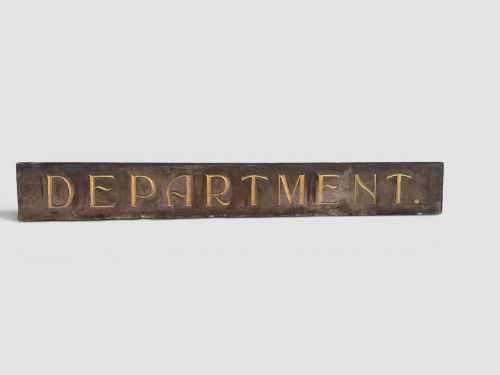
These pieces, traded as a gold leaf sign, bring hand-lettered commerce and gilded ornament straight into the room.
Gold Leaf Sign
A gold leaf sign brings together trade lettering, hand-painted details, and gilded surfaces designed for commercial interiors and shop displays. Buyers searching this phrase look for authentic retail markers, advertising plaques, and decorative boards carrying period finishes.
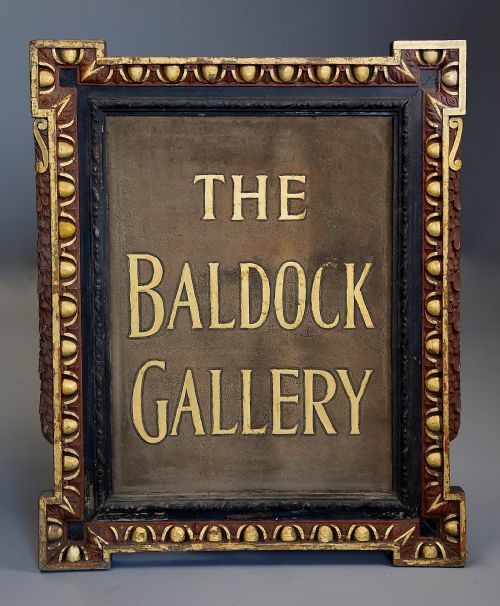
The items found here lean heavily towards nineteenth-century department store shop boards, early twentieth-century carved gallery notices, and boutique display signage. These pieces carry the weight of commercial history, rendered in wood, glass, and gilded metal.
Alongside direct signage, the selection includes reverse glass painted pieces and specialised advertising plaques that use gold leaf to catch the interior light. Each object represents a distinct branch of commercial craft from the Georgian era through the Art Deco period.
Materials and construction
Signage of this class relies on the careful application of beaten metal to carved wood, paper, or glass surfaces. Artisans applied thin sheets of gold leaf over sized grounds, pressing the metal by hand to achieve a flat or burnished finish.
Carved wooden boards formed the base for many prominent trade notices, whilst reverse glass painting protected the delicate metal leaf from the atmosphere behind a transparent pane. Enamel and oil paints added colour and contrast around the gilded lettering.
Giltwood frames and mouldings frequently complete the construction, matching the reflective quality of the central sign. The interplay between matte timber and brilliant metallic leaf defines the physical presence of these objects.
Listings span the eighteenth century, the Victorian and Edwardian eras, and the Art Deco period, utilising materials such as gold leaf, glass, enamel, and carved wood.
Judging quality
Quality rests on the crispness of the hand-lettering and the integrity of the gilded surface. Signs that retain their original burnishing and show deliberate, confident brushwork stand far above later imitations or crude repaintings.
The depth of the carving and the quality of the wood or glass substrate dictate the overall character of the piece. Superior examples display honest signs of use that complement the metallic surface rather than obscuring the maker's hand.
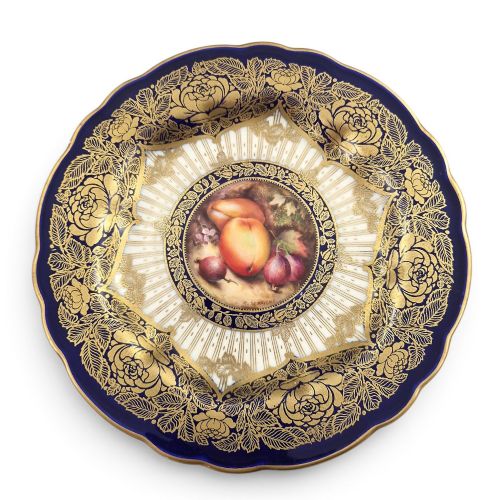
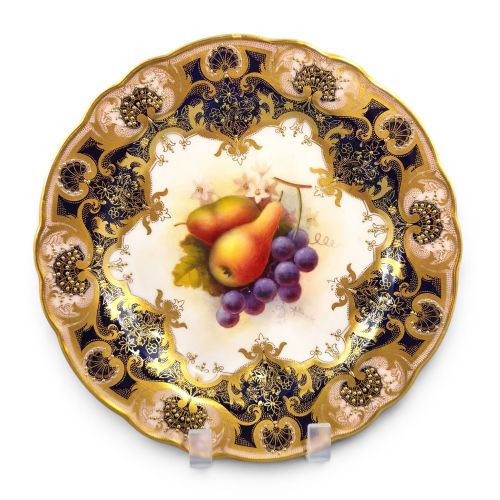
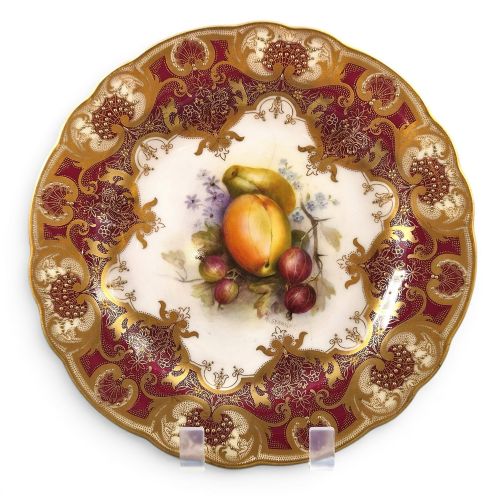
Royal Worcester·Vienna Wagner
The Gold Leaf Sign Glossary
- Gold Leaf
- Metal beaten into an extremely thin sheet, used for gilding surfaces. It provides a permanent, non-tarnishing metallic sheen on signs and frames.
- Reverse Glass Painting
- An artistic technique where the image is painted or gilded on the back of a piece of glass to be viewed from the front. This method protects the delicate metallic layers from dust and handling.
- Giltwood
- Wood that has been treated with gesso and covered with gold leaf or metal powder. It forms the decorative framing typical of nineteenth-century display pieces.
- Enamel
- A glassy substance fused to a metallic base through firing, used for durable signage and decoration. It offers rich, permanent colour that resists fading.
- Cabinet Plate
- A decorative ceramic plate intended for display rather than dining. These pieces often feature hand-painted scenes and gilded borders.
Gold Leaf Sign: Frequently Asked Questions
How do I clean a gold leaf sign?
Dust the surface gently with a soft, dry ostrich feather duster to remove particles without disturbing the metal. Avoid all liquid cleaners, abrasive cloths, and chemical solvents, which lift the delicate leaf from its base.
Keep the sign away from direct sunlight and damp environments to prevent the wooden or glass substrate from warping or degrading the sizing underneath the gold.
Were these signs meant for outdoor use?
Most surviving examples originated inside shops, department stores, and galleries rather than exposed shopfronts. Interior placement protected the thin metal leaf and reverse glass painting from weather damage.
Commercial boards found today generally spent their working lives shielded from rain, which accounts for the survival of their original gilded surfaces.
How can I tell the period of a sign?
Examine the typography, the composition of the wood, and the method of gilding used on the piece. Victorian and Edwardian examples often feature specific lettering styles, carved borders, and material combinations that match documented trade practices of those decades.
Compare the backboards, fixings, and edge wear with dated examples from the same era to confirm the period of manufacture.
What is reverse glass painting?
Reverse glass painting involves applying pigment and gold leaf to the rear side of a glass panel so the finished image appears correctly through the front. This technique gives the surface a glossy, deep reflection that standard painted boards lack.
Sign makers used this method to protect commercial lettering from abrasion while creating a striking window display.