

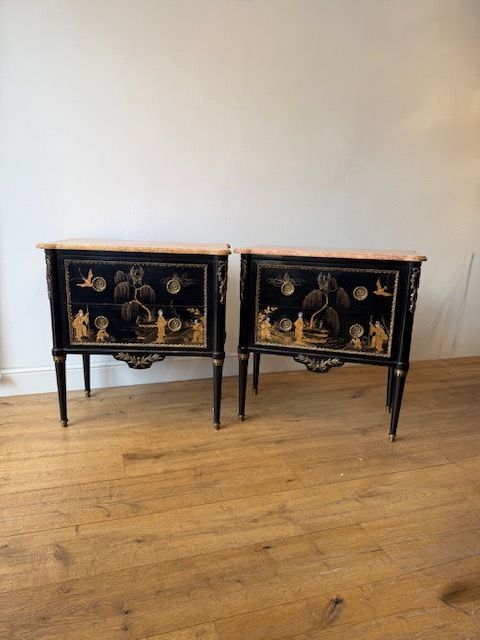


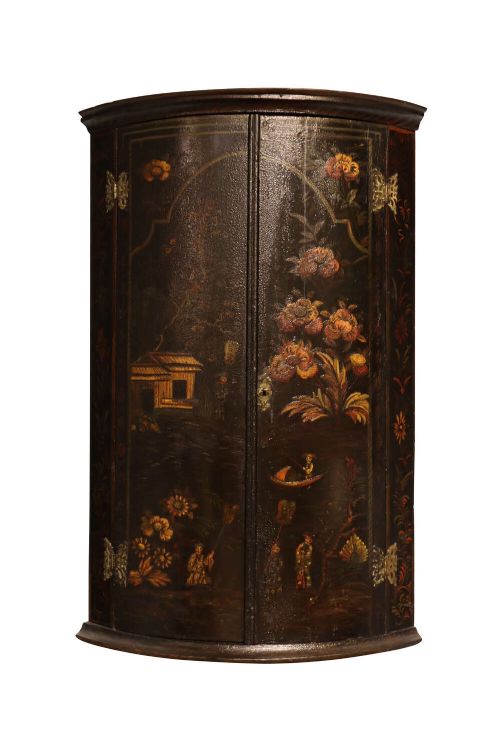


Gold Lacquered Cabinet
A gold lacquered cabinet brings profound depth and shimmering metallic detail to an interior, transforming storage into a focal point of historical craftsmanship.
Gold Lacquered Cabinet
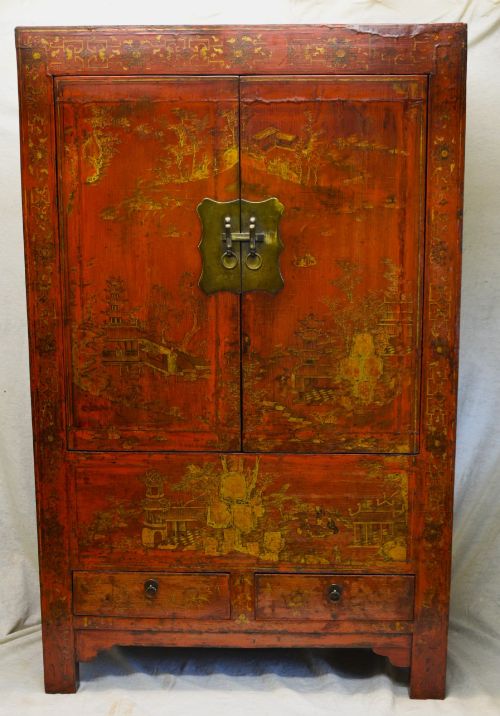
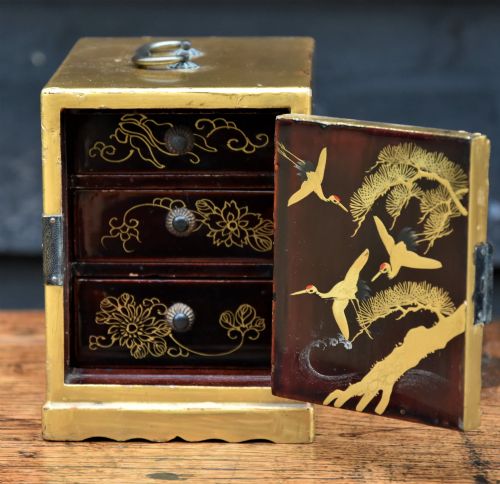
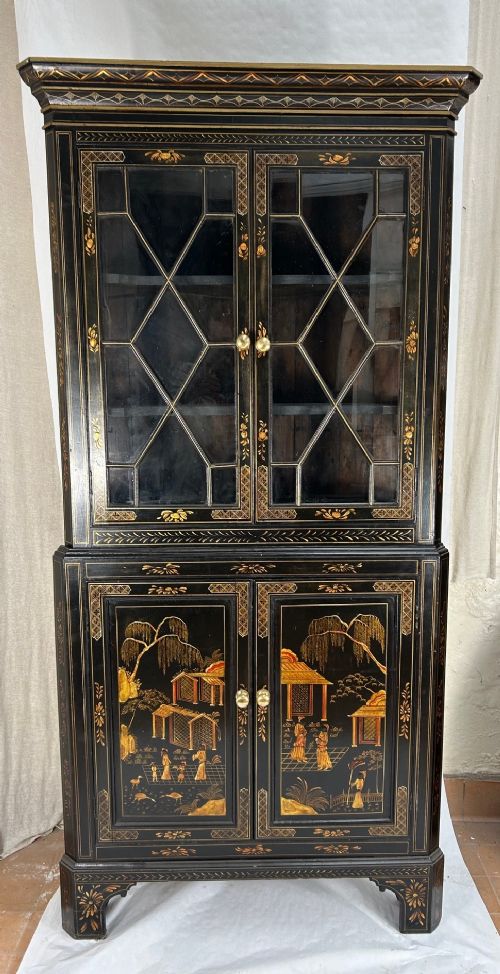
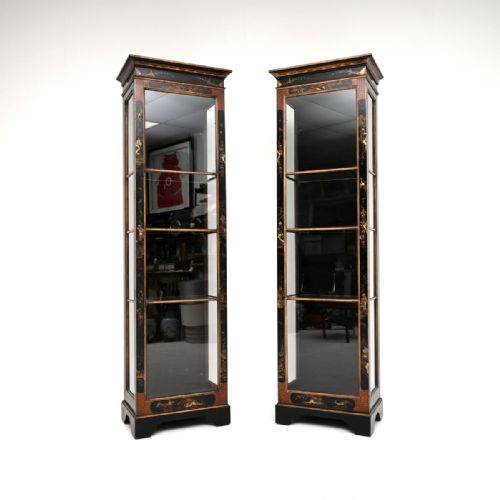
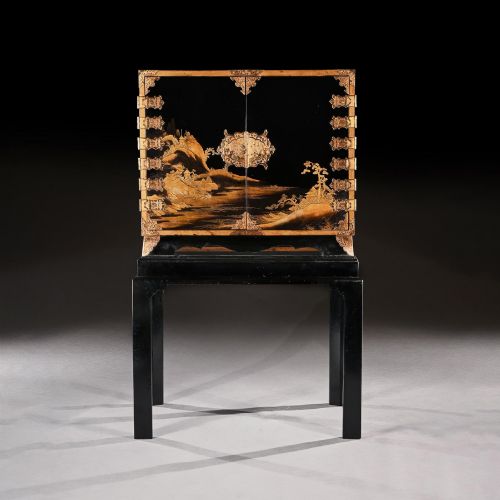
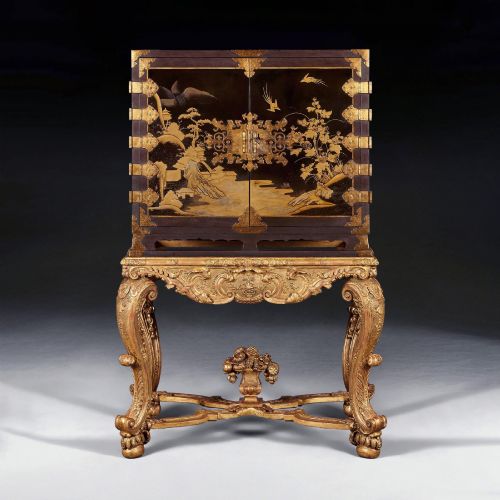
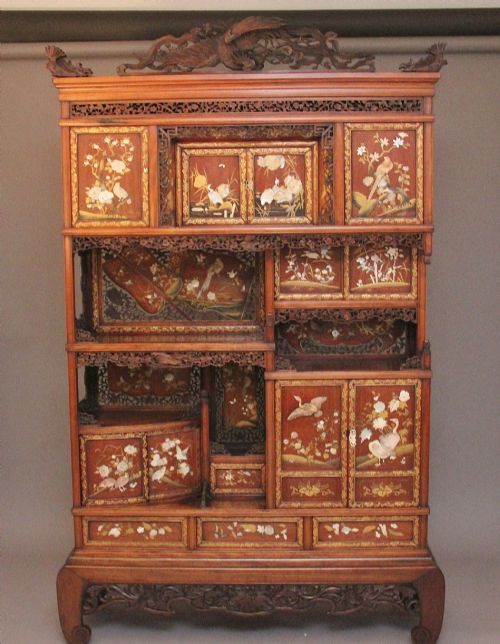
When searching for a gold lacquered cabinet, buyers encounter an array of forms ranging from grand display pieces and bureaux to compact table cabinets and corner cupboards. These items bridge various aesthetics, uniting diverse origins through rich surface ornament.
The pieces appearing on this page span several distinct periods, most notably the seventeenth, eighteenth, nineteenth, and early twentieth centuries. Georgian Chinoiserie, Regency penwork, Japanese Meiji period works, and Edwardian interpretations represent the core of what is available.
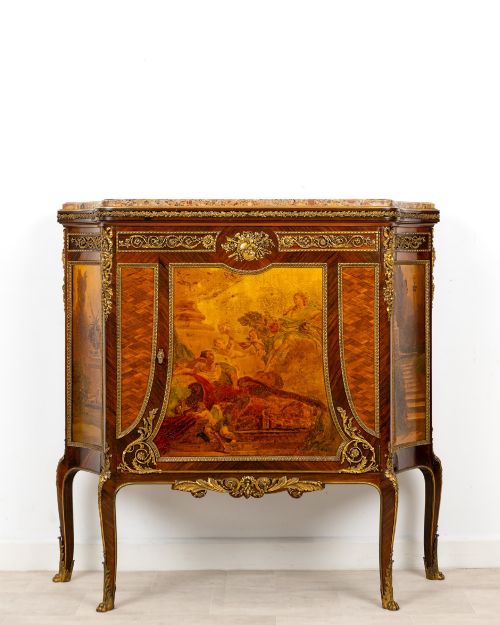
European workshops and Asian makers both contributed to this tradition, producing side cabinets, cabinets on stands, and vitrines. Each format showcases intricate gilded or gold leaf decoration applied over wood structures.
Materials and construction
Construction relies fundamentally on wooden carcases finished with layers of lacquer, which receive detailed surface work using gold leaf, gilt, and painted motifs. Ormolu or brass mounts frequently accent the structure, particularly on pieces influenced by French styles or Regency design.
Techniques vary from the traditional Asian application of successive lacquer coats to European japanning and penwork. Artisans built up these surfaces before adding the delicate gilded highlights that define the genre.
Gold Lacquered Cabinet Retail Price Guide 2026
Typical asking prices for gold lacquered cabinet among the pieces listed under this phrase on Sellingantiques today, from the lower quarter to the upper quarter. They describe what is for sale here now, not the wider market.
Some tiny table cabinets spent centuries hiding away family secrets before ever reaching a modern display shelf.
Assessing quality and execution
Quality reveals itself in the precision of the surface decoration and the depth of the lacquer finish. Superior examples display crisp detail in the gold motifs and harmonious integration of mounts and stands.
The integrity of the underlying woodwork and the preservation of the original gilded surface separate exemplary pieces from standard workshop output. Hand-applied detail and original stands on cabinets demonstrate the highest standard of execution.
François Linke
The Gold Lacquered Cabinet Glossary
- Chinoiserie
- European decorative style reflecting Chinese artistic influences, popular in furniture and lacquerwork during the seventeenth and eighteenth centuries.
- Japanning
- European imitation of Asian lacquerwork created using varnish and heat-cured layers, often finished with gilt decoration.
- Kodansu
- A small Japanese portable cabinet featuring multiple drawers and fine lacquer or metal fittings.
- Ormolu
- Gilded bronze used for decorative mounts and furniture hardware, especially prevalent in French and Regency pieces.
- Shodana
- A type of Japanese Meiji period display cabinet characterised by asymmetrical shelving and intricate lacquer panels.
Gold Lacquered Cabinet: Frequently Asked Questions
How do I care for a gold lacquered cabinet?
Keep the piece away from direct sunlight and extreme humidity fluctuations to protect the delicate lacquer and gold leaf layers. Dust gently with a dry, soft cloth without applying modern chemical polishes.
Maintain stable indoor temperatures to prevent the wood beneath the lacquer from expanding or contracting, which can cause the surface to craze.
What is the difference between Chinoiserie and Japanese lacquer?
Chinoiserie represents European interpretations of Chinese motifs, typically executed through japanning on furniture like corner cupboards and bureaux. These pieces were made in England, Italy, and France.
Japanese lacquer, such as works from the Meiji period or Edo period, originates in Japan and often utilises native techniques on items like shodana cabinets and kodansu boxes.
Where should I place a cabinet on stand?
Cabinets on stand require a prominent location where their elevation and detailed lower framing remain fully visible. Placing them in a drawing room or hallway allows adequate viewing space.
Ensure the floor is level so the combined weight of the cabinet and its stand distributes evenly across all legs.
How can I identify a Regency penwork cabinet?
Regency penwork cabinets feature intricate ink-drawn designs on light-coloured wood, often enhanced with subtle gilding. The technique mimics more costly lacquerwork through fine, illustrative linework.
Look for classical motifs and characteristic furniture proportions typical of the early nineteenth century alongside this specific surface decoration.