






Gold Hanging Vanity Mirror
A gold hanging vanity mirror brings reflective light and decorative presence to a wall, combining functional glass with ornate framing.
Gold Hanging Vanity Mirror
A gold hanging vanity mirror represents a compact reflective furnishing designed primarily for wall mounting in halls, dressing spaces, and principal rooms. These pieces emerge from periods including the eighteenth, nineteenth, and twentieth centuries, spanning Victorian, Edwardian, and mid-century aesthetics.
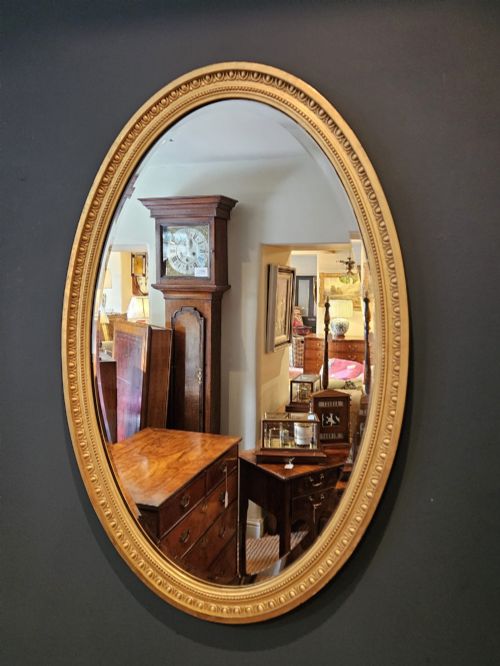
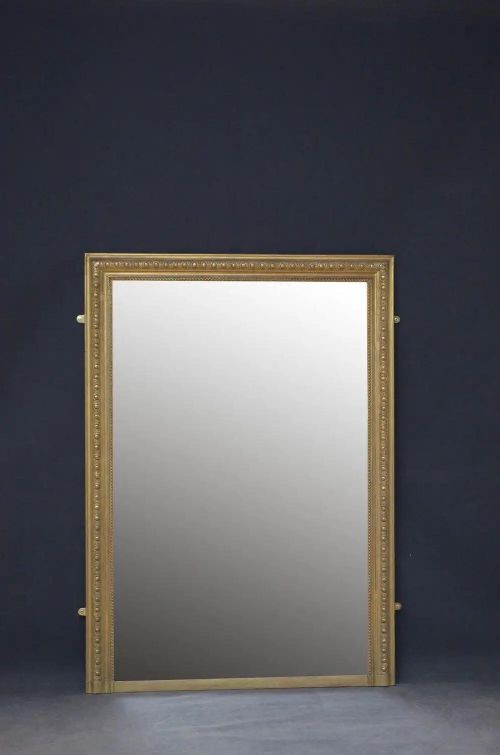
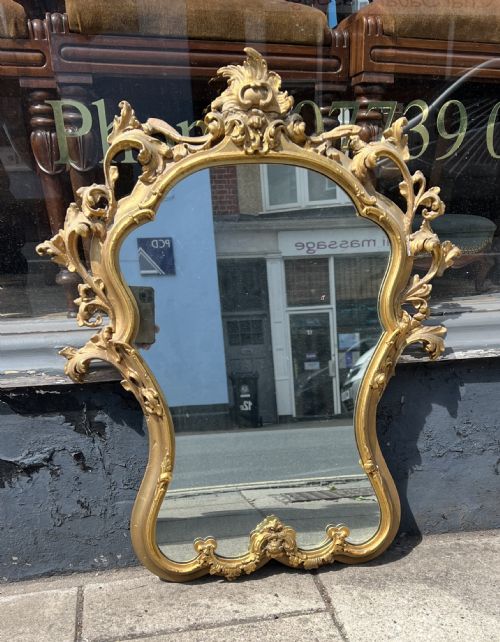
The selections available here lean heavily towards nineteenth-century examples and revivalist movements, featuring French rococo and neoclassical influences. Buyers will frequently encounter oval or rectangular formats intended to hang securely from a wall hook or chain.
Originating across English, French, and Italian workshops, these mirrors combine practical utility with distinct period ornamentation. The dominant forms rely on compact dimensions suitable for smaller wall spaces while maintaining a strong decorative character.
Materials and construction
Construction relies heavily on traditional timber substrates, gesso, and plaster moulded into elaborate scrollwork, floral motifs, and classical reliefs before receiving layers of gold leaf, gilt, or gilding. Metal alternatives utilise pressed brass, bronze, or cast alloys to form rigid structural frames.
Glass plates are hand-cut to fit the specific apertures, often featuring bevelled edges that catch the light. Backings typically consist of timber panels secured with traditional fixings, while original hanging loops or chains provide structural support for wall mounting.
Current listings feature pieces spanning the eighteenth century through to the 1950s, utilising materials such as brass, giltwood, gesso, and glass.
Judging quality and execution
The refinement of the surface preparation dictates the overall visual impact, where hand-applied gold leaf or fine gilding over crisp gesso modelling surpasses standard painted finishes. Superior examples retain the depth of detail in carved wooden or moulded plaster ornamentation without blurring.
The integrity of the original glass plate and the precision of the frame joinery distinguish finer specimens from ordinary utility items. Well-executed pieces demonstrate harmonious proportions between the reflective surface and the surrounding decorative border.
The Gold Hanging Vanity Mirror Glossary
- Gesso
- A plaster-like mixture applied to a wooden substrate to create a smooth surface for gilding. It allows for intricate relief moulding.
- Giltwood
- Timber that has been coated with gold leaf or a gold-coloured substance. This material defines many classic decorative frames.
- Rococo
- An ornate artistic style characterised by asymmetrical scrollwork, C-curves, and naturalistic plant motifs. It heavily influences nineteenth-century French revival frames.
- Neoclassical
- A style drawing inspiration from classical antiquity, featuring symmetry, urns, and geometric precision. It provides a structured contrast to curved rococo designs.
- Parcel gilt
- A finishing technique where only specific portions of an object are highlighted with gold leaf. The remaining areas display natural wood or alternative finishes.
Gold Hanging Vanity Mirror: Frequently Asked Questions
How do I hang a heavy gold mirror safely?
Secure hanging requires locating a wall stud or utilising heavy-duty wall anchors rated for the combined weight of the timber and glass. Ensure the original hanging loops or wire on the back are structurally sound before mounting.
Position the mirror at eye level to maximise both its reflective utility and its decorative balance within the room.
Are these mirrors suitable for bathrooms?
Most antique gilt and gesso frames are sensitive to moisture and humidity, which can cause the plaster and gilding to lift or flake over time. Placing them in dry areas such as hallways, bedrooms, or living rooms preserves the finish.
Use a soft, dry cloth for dusting and avoid liquid cleaners on the vulnerable gilded surfaces.
How can I tell a Victorian mirror from an Edwardian one?
Victorian examples often favour heavy, exuberant ornamentation with deep gesso moulding and elaborate rococo revival flourishes. Edwardian pieces frequently adopt lighter brass frames or restrained neoclassical motifs suited to brighter domestic spaces.
Examining the construction of the timber backing and the fixings provides further clues to the manufacturing decade.
What does parcel gilt mean on an older mirror?
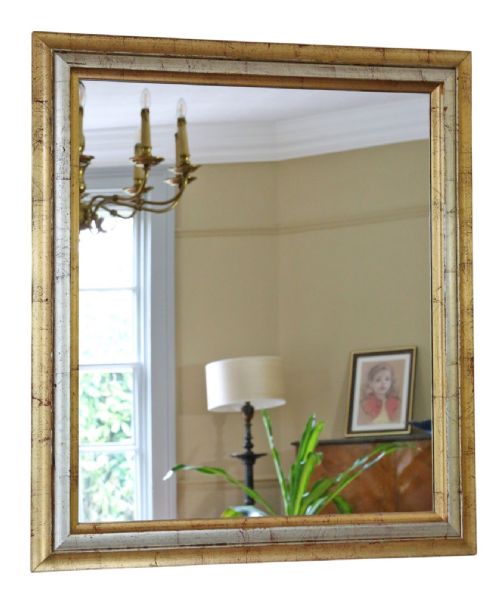
Parcel gilt describes a decorative finish where gold leaf is applied selectively to specific carved details rather than covering the entire piece. This technique highlights particular ornamental motifs against a contrasting background, such as exposed mahogany.
It adds visual depth and directs the eye towards the finer points of the frame's craftsmanship.