


Gold Gouache Painting
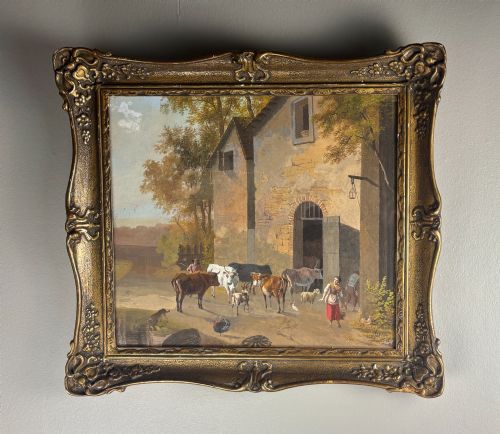
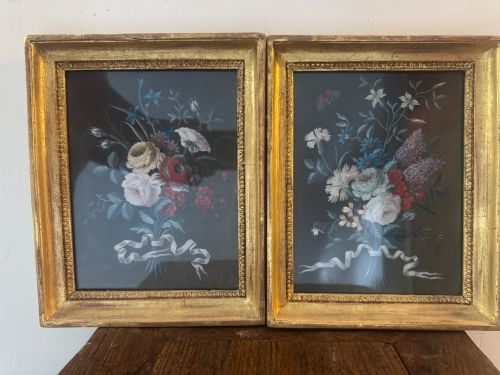
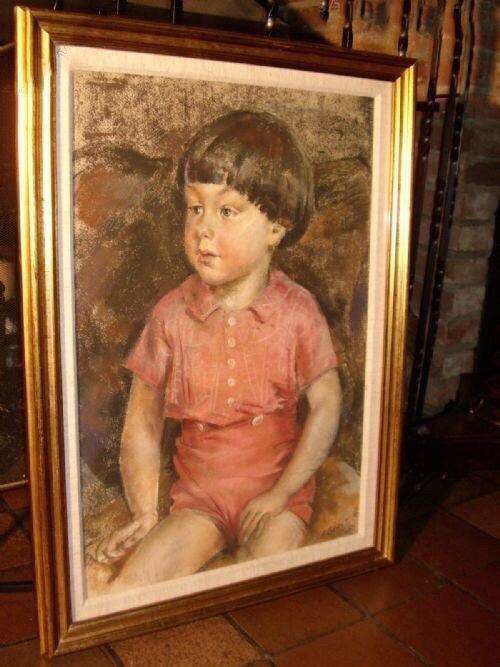
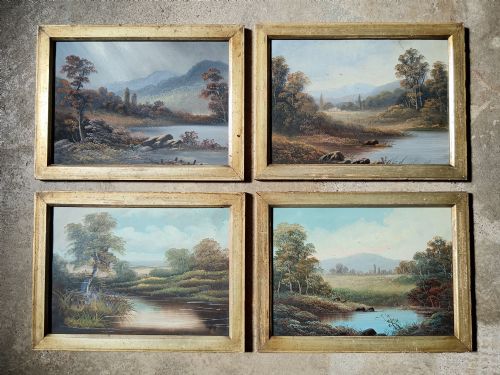
These gold gouache painting examples capture fine details on paper using opaque pigments and luminous metallic accents.
Gold Gouache Painting
A gold gouache painting combines opaque water-based pigment with reflective metallic touches, creating works on paper that range from intimate portrait miniatures to expansive landscapes. When exploring this selection, buyers encounter diverse subjects spanning floral studies, architectural ruins, and coastal views.
The pieces listed traverse various periods, predominantly featuring 19th-century works alongside Regency, Victorian, and mid-century examples. Formats vary from individual framed artworks to sets of botanical studies and Grand Tour souvenirs.
Origins stretch from English and European schools to Indian miniature traditions and Chinese floral compositions. Buyers most frequently meet framed works executed on paper, often accompanied by pastel, watercolour, or pencil elements.
Materials and execution
Artists executed these works primarily on paper supports, applying dense gouache and watercolour pigments that dry to a matte, velvety finish. Metallic elements, often described as gilt or gold, catch the light to highlight specific focal points within the composition.
Many pieces incorporate mixed media elements such as pastel, ink pen, and pencil alongside the primary body colour. Framing typically involves wood and glass to protect the delicate paper surface from environmental degradation.
Materials documented across the collection include gouache, pastel, watercolour, gilt wood, and glass.
Distinguishing quality
The upper tier of works demonstrates superior draughtsmanship and precise control over the dense, opaque medium. Hand-painted miniatures and detailed landscapes show meticulous brushwork that defines botanical accuracy or architectural precision.
Framing adds another dimension, with period frames providing appropriate historical context. Condition of the underlying paper and vibrancy of the pigment largely dictate the visual impact of each piece.
J.A. Grant·Joseph Knight·Alice Anne Renshaw·Paul Lelong·Emma Kendrick
The Gold Gouache Painting Glossary
- Gouache
- An opaque water-soluble paint consisting of pigment, water, and a binding agent such as gum arabic. It differs from transparent watercolour through its heavier application and matte finish.
- Miniature painting
- A small-scale artwork characterised by intricate detail and fine brushwork. These portable pieces often depict portraits or specific botanical studies.
- Grand Tour
- A cultural journey undertaken by wealthy young Europeans during the 18th and 19th centuries. Souvenirs from these trips frequently included topographical gouaches of Italian views.
- Pastel
- A dry drawing medium consisting of powdered pigment and a binder. Artists often combined pastel with gouache to create textured landscape and portrait studies.
Gold Gouache Painting: Frequently Asked Questions
How should I display a paper painting?
Keep works behind glass and position them away from direct sunlight to preserve the delicate pigments and paper supports.
Maintain stable indoor humidity levels to protect both the artwork and its historical frame.
What is the difference between watercolour and gouache?
Watercolour relies on transparent washes that allow the white of the paper to show through the pigment layers.
Gouache includes an added white filler, creating an opaque medium that reflects light differently and permits layering from dark to light.
How do I identify a 19th-century piece?
Examine the paper stock, framing materials, and stylistic conventions typical of the period, such as Romantic landscape tropes or botanical arrangement.
Signatures, inscriptions, and historical labels on the reverse often provide clues to the exact era of creation.
Are these works painted on canvas?
The pieces listed here utilise paper as the primary support medium for the gouache and water-based pigments.
Framed behind glass, these works require careful handling compared to oil paintings on canvas or wood panels.