

Gold Glass Light Fitting
A gold glass light fitting brings warmth and historic presence to a room, ranging from grand French chandeliers to intimate hall lanterns.
Gold Glass Light Fitting
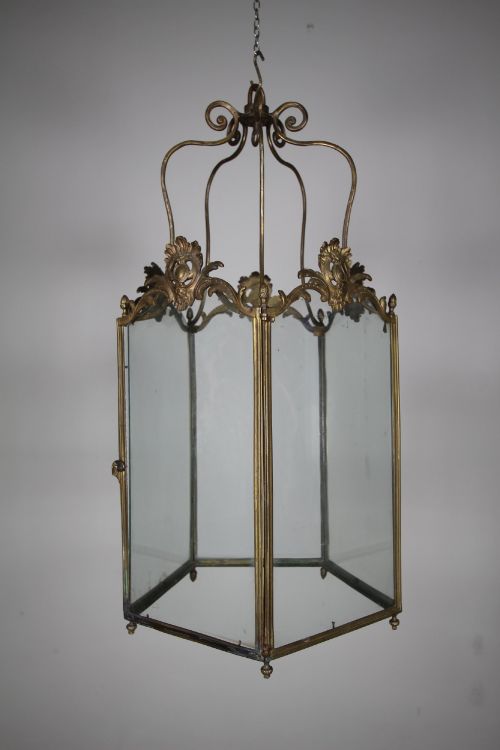
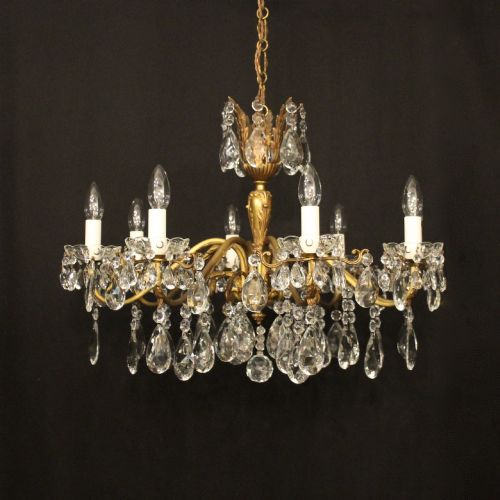
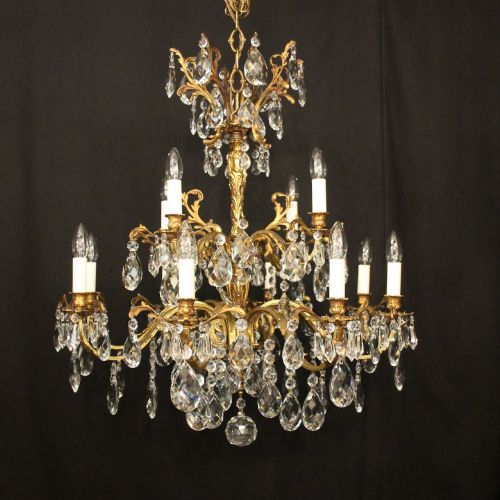
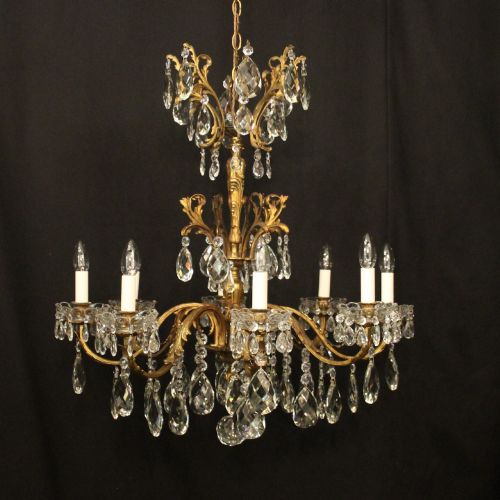
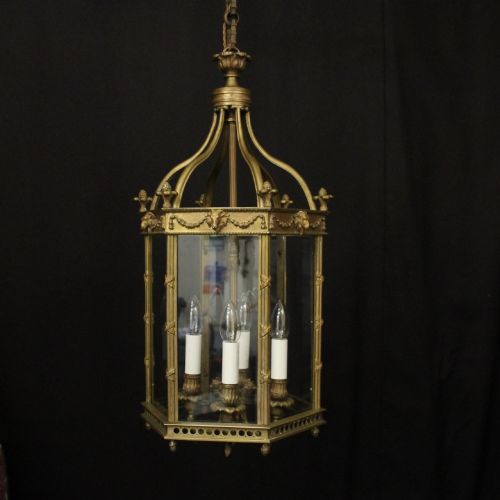
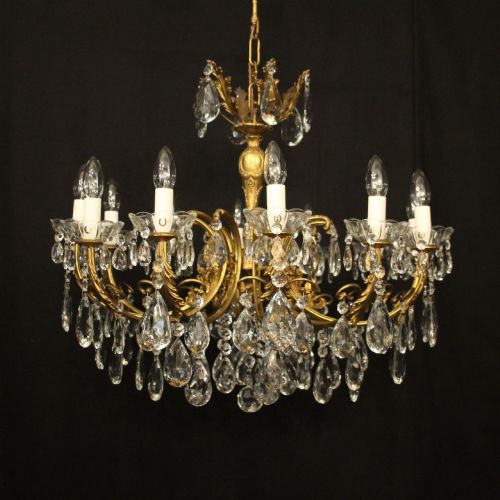
A gold glass light fitting encompasses a variety of illumination pieces, most frequently taking the form of multi-armed chandeliers, hanging hall lanterns, and wall lights. These fixtures predominantly originate from French and English workshops spanning the nineteenth century through the early decades of the twentieth century.
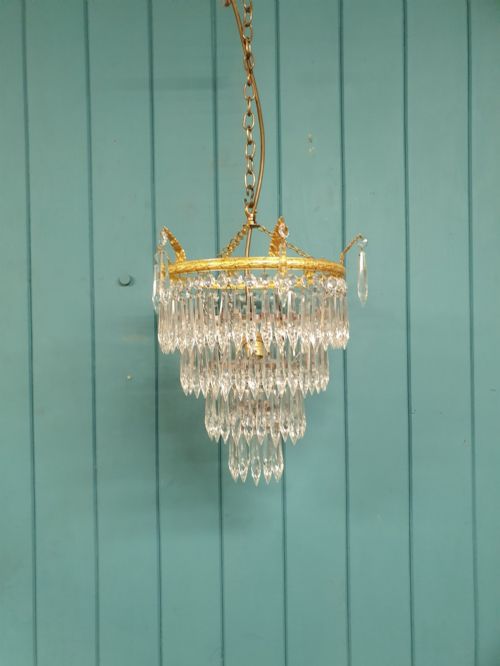
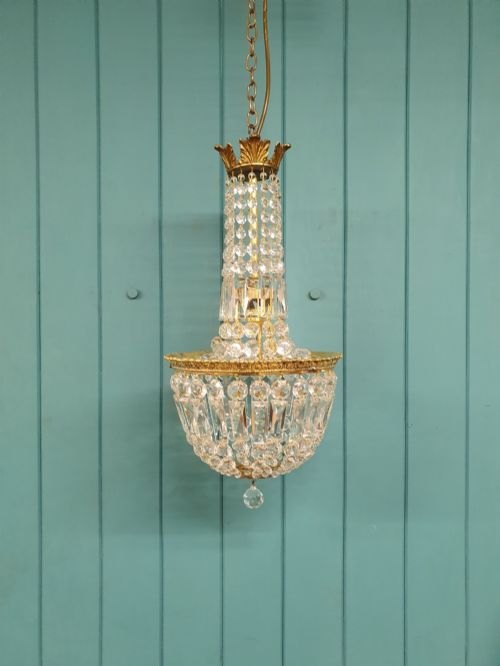
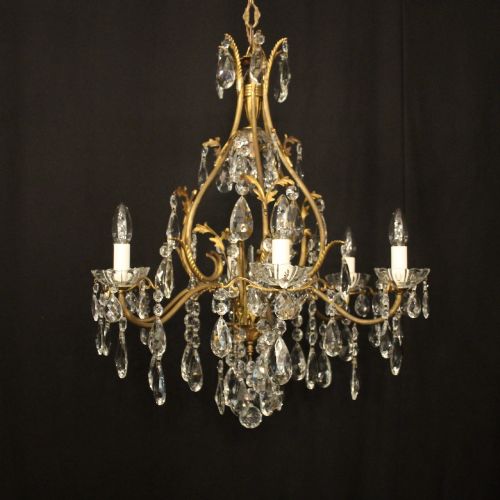
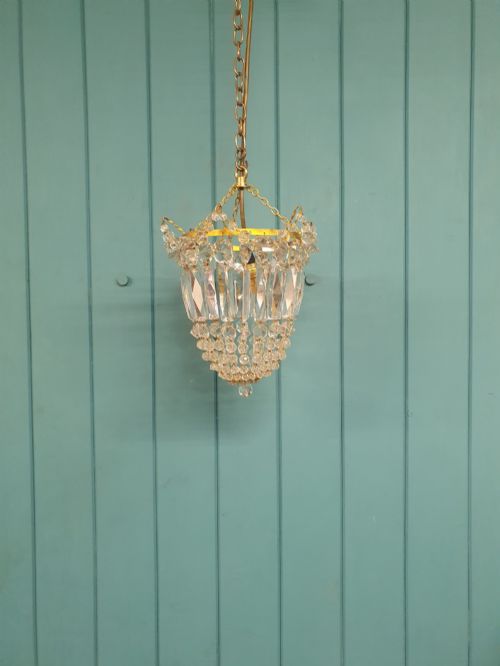
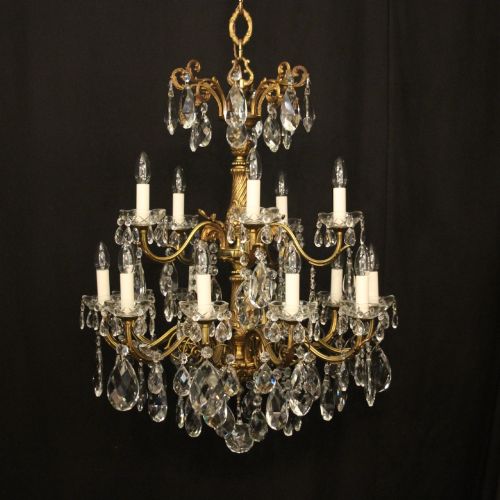
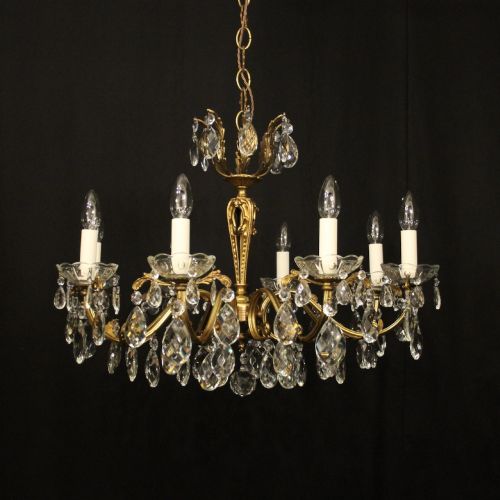
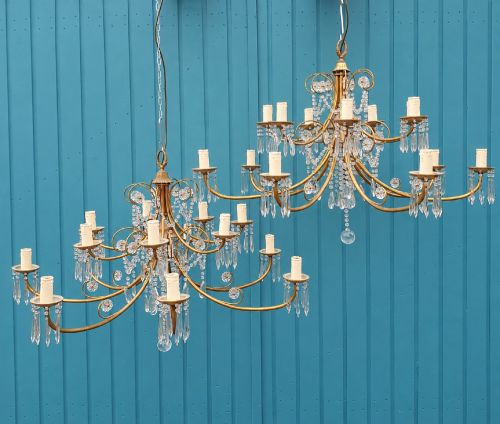
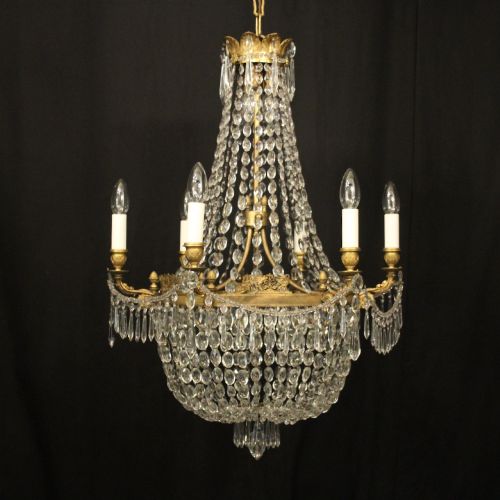
Buyers encountering this selection will frequently find items reflecting periods such as the Edwardian era, the nineteen-twenties, and nineteen-thirties. Forms range from compact spike chandeliers and bag chandeliers to large tent and waterfall configurations hung with numerous crystal drops.
Materials and Construction
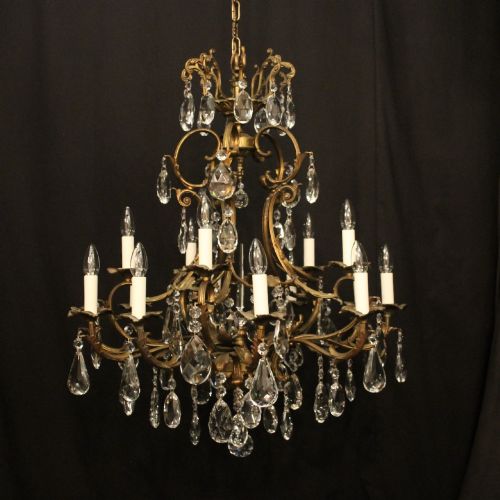
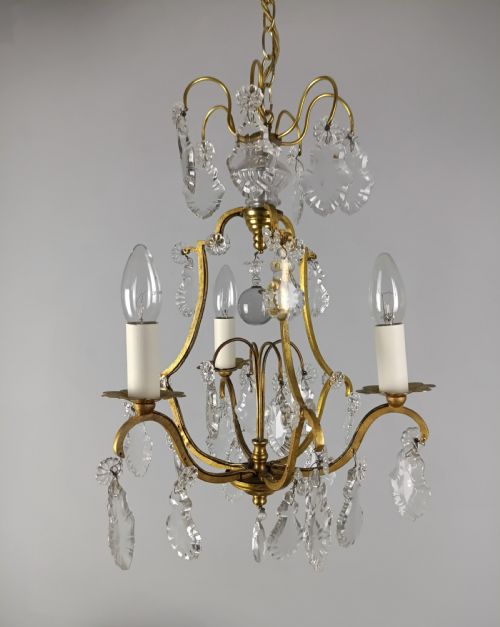
Construction relies heavily on metals such as brass, gilt bronze, and gilded brass to form the structural frames, arms, and mounts. These metallic elements support arrangements of cut glass and crystal, often shaped into spikes, teardrops, or beads.
Makers utilised casting, metal gilding, and precise glass cutting to achieve the reflective qualities seen in these pieces. Additional decorative mediums like toleware and turquoise crystal occasionally appear alongside standard brass and gilt components.
Gold Glass Light Fitting Retail Price Guide 2026
Typical asking prices for gold glass light fitting among the pieces listed under this phrase on Sellingantiques today, from the lower quarter to the upper quarter. They describe what is for sale here now, not the wider market.
Lion masks peer out from select brass frames, keeping a silent, gilded watch over the room below.
Evaluating Execution
Quality rests upon the crispness of the metal casting and the depth of the gilding applied to the bronze or brass frames. Fine examples display sharply defined details, such as cast lion masks or intricate mountings, rather than soft or smoothed contours.
The degree of hand-cutting on the glass and crystal elements dictates much of the visual brilliance. Superior pieces incorporate substantial, clear crystal drops that refract light cleanly, paired with robust structural framing that maintains rigidity across multiple tiers.
The Gold Glass Light Fitting Glossary
- Gilt bronze
- Metal cast in bronze and treated with a gold-coloured finish or gold leaf. This material provides a durable and rich foundation for intricate decorative frames.
- Tent and waterfall
- A specific chandelier configuration where strings of crystals form an upper canopy resembling a tent, cascading down over central tiers of lights. This style creates a dense, layered reflection of illumination.
- Bag chandelier
- A lighting fixture featuring a flattened, bag-shaped lower section composed of numerous small crystal beads strung together. It distributes light softly across a compact vertical profile.
- Spike chandelier
- A form characterised by upward-pointing or radiating crystal spikes arranged around a central stem. These pieces often date from the Edwardian and early twentieth-century periods.
- Toleware
- Painted sheet metal used for decorative components on specific lighting fixtures. It introduces coloured surfaces and alternative textures to standard metal and glass designs.
Gold Glass Light Fitting: Frequently Asked Questions
What styles define these light fittings?
The selections draw heavily upon French Empire, Rococo, and neoclassical design vocabularies, alongside Edwardian sensibilities. These styles manifest through formal symmetry, decorative gilt mounts, and classical motifs.
Fittings range from restrained single-light pendants to elaborate multi-tiered birdcage chandeliers adorned with extensive crystal drops.
How do I determine the period?
Dating relies upon examining the framing techniques, the style of the metal casting, and the cut of the glass. Pieces from the nineteenth century often show heavier cast bronze and distinct neoclassical detailing.
Early twentieth-century items frequently employ gilt brass and more compact spike or bag crystal arrangements.
Where should I hang a hall lantern?
Hall lanterns suit entranceways, stairwells, and corridors where vertical hanging space allows the fixture to be viewed from multiple angles. Their enclosed or semi-enclosed frames provide directional downward illumination.
Smaller variants fit standard ceiling heights, while larger nineteenth-century examples require substantial clearance.
Are these fittings compatible with modern wiring?
Most antique lighting fixtures require inspection and potential rewiring by a qualified professional to meet current safety standards. Original lampholders are frequently updated to accommodate modern bulbs.
Structural modifications are generally avoided to preserve the historic integrity of the brass and gilt frames.