





Gold Gilt Satsuma
Gold gilt satsuma pieces bring intricate Japanese ceramic artistry into a room, offering rich enamel work and detailed figures that reward close study.
Gold Gilt Satsuma
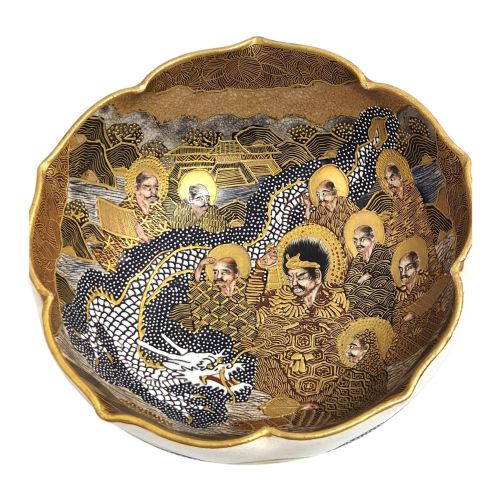
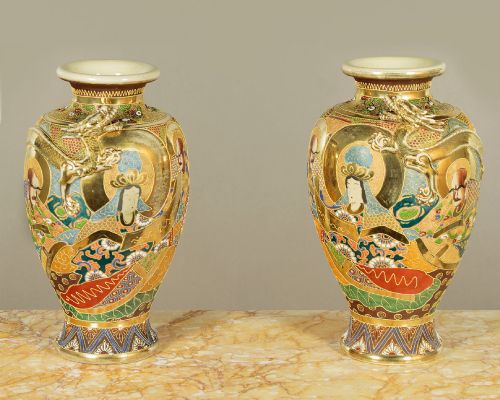
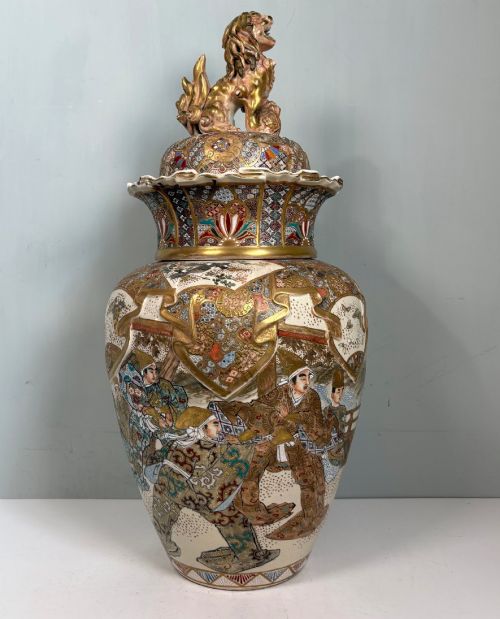
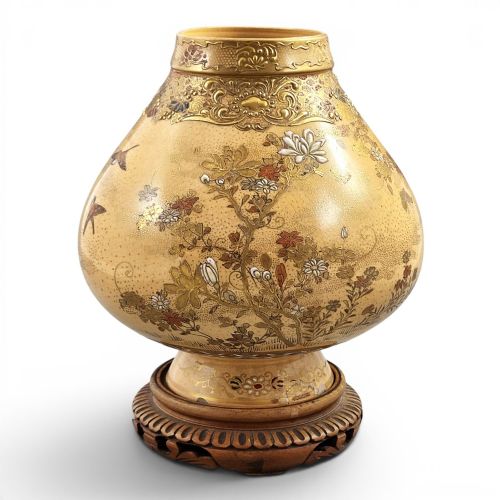
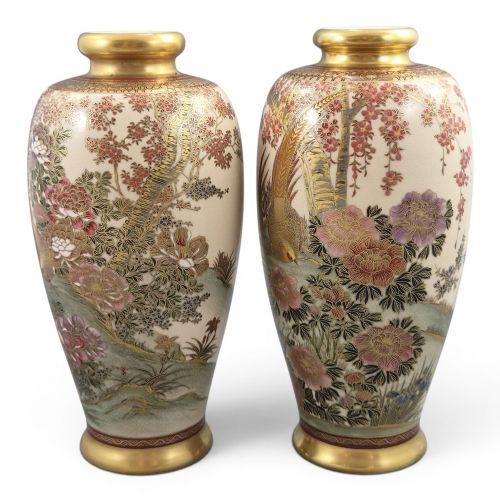
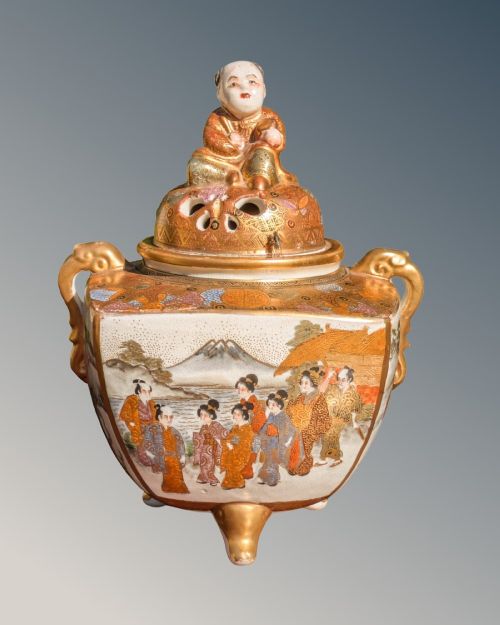
When you search for gold gilt satsuma, you enter a world of finely painted Japanese ceramics produced across the Meiji, Taisho, and Showa periods. These objects take many forms, including large baluster vases, miniature vessels, incense burners known as koros, trinket boxes, and decorative bowls.
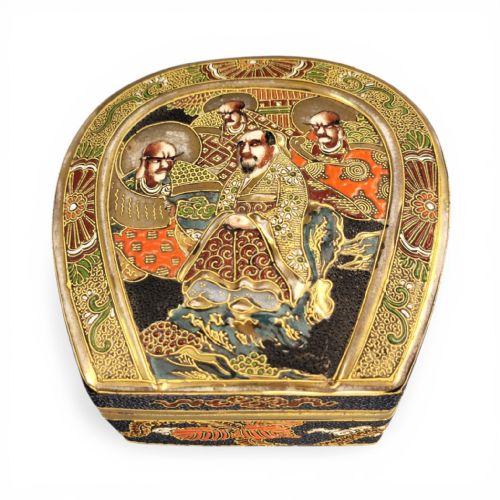
The aesthetic bridges traditional Japanese subjects like arhats, rakan, and floral gardens with the decorative demands of late nineteenth and early twentieth century export markets. Pieces frequently feature the Shimazu crest, marking their connection to notable kilns and workshops centred in Kyoto and Kobe.
How they were made
Potters built these items using earthenware, shaping ceramic bodies into vessels, figurines, and boxes before applying a characteristic ivory or cream crackle glaze. Artisans then painted complex scenes using vibrant enamels combined with gold leaf and extensive gilding.
Specialised techniques like moriage added raised enamel details to the surface, creating textured relief work that caught the light around painted figures and dragons.
Gold Gilt Satsuma Retail Price Guide 2026
Typical asking prices for gold gilt satsuma among the pieces listed under this phrase on Sellingantiques today, from the lower quarter to the upper quarter. They describe what is for sale here now, not the wider market.
Listings feature earthenware vessels and decorative objects spanning the nineteenth century through the Showa period, utilising gold leaf, enamel, and bronze.
What varies in quality
Quality rests upon the precision of the brushwork and the density of the enamel and gold application. Master studios employed skilled artists whose miniature figural processions and facial expressions remain crisp and legible even on small surfaces.
The weight of the gilding and the complexity of the compositional panels distinguish standard export wares from exhibition quality pieces signed by renowned workshops such as Kinkozan.
Manpei·Kinkōzan·Toshozan·Chosei·Nanzan·Seiko-en Chokei·Nikko·Kizan·Hakusan·Shizan·Meizan·Shozan·Taniguchi
The Gold Gilt Satsuma Glossary
- Moriage
- A decorative ceramic technique using piped clay to create raised relief patterns beneath the glaze and enamel. This method gives certain surface areas a distinct three-dimensional texture.
- Koro
- A traditional Japanese incense burner typically fitted with a pierced lid. These often stand on small feet and feature decorative handles.
- Okimono
- A small decorative statue or figurine designed for display on a shelf or tokonoma alcove. These sculptures frequently depict historical figures or immortals.
- Shimazu Mon
- The family crest of the Shimazu clan, featuring a cross within a circle. This mark appears frequently on satsuma wares produced in the domains associated with their patronage.
Gold Gilt Satsuma: Frequently Asked Questions
What is gold gilt satsuma?
Gold gilt satsuma refers to Japanese earthenware ceramics decorated with intricate enamel paintings and heavy gold leaf detailing. These items were produced primarily for export during the late nineteenth and early twentieth centuries.
Potters combined cream-coloured crackled glazes with complex scenes of figures, deities, and floral motifs. Signature marks on the base often indicate the specific Kyoto or Kobe studio responsible for the painting.
How do I identify Meiji period pieces?
Meiji period items generally display dense, highly detailed decoration executed with exceptional precision. The painting often incorporates finely rendered faces, elaborate robes, and raised moriage work.
Many of these pieces bear painted or impressed studio signatures and family crests. Their artistic style reflects the opening of Japanese trade to Western markets during that era.
How should I clean my satsuma vase?
Dust these ceramic vessels gently using a soft, dry brush to protect the delicate enamel and gold leaf. Avoid using water, detergents, or chemical cleaners, which can damage the fragile surface.
Display the items away from direct sunlight and areas of high moisture to preserve the crackle glaze and metallic highlights.
Where were these ceramics made?
While the style originated in the Satsuma province of Kyushu, the vast majority of finely decorated export pieces were produced in Kyoto studios. Major workshops in Kobe also contributed significantly to the output.
Master artisans in these urban centres adapted traditional regional techniques to satisfy international demand for highly ornamental decorative arts.