


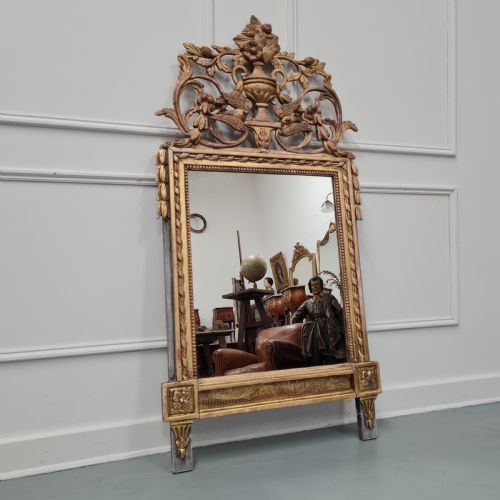


Gold Gilt Pediment
These gold gilt pediment pieces bring classical structure and gilded warmth into a room through carved timber, gesso, and glass.
Gold Gilt Pediment
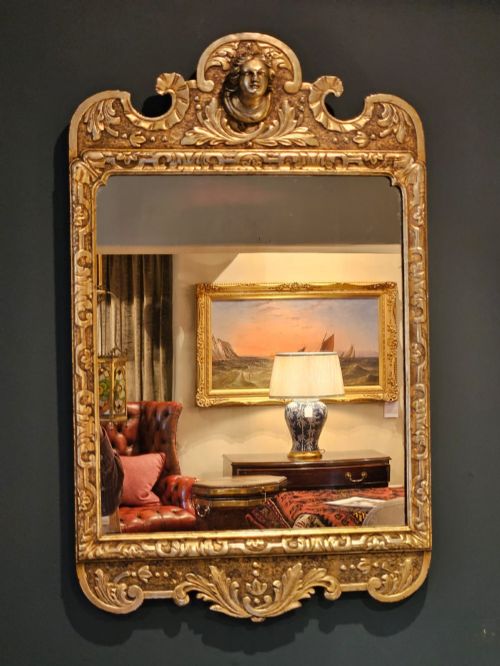
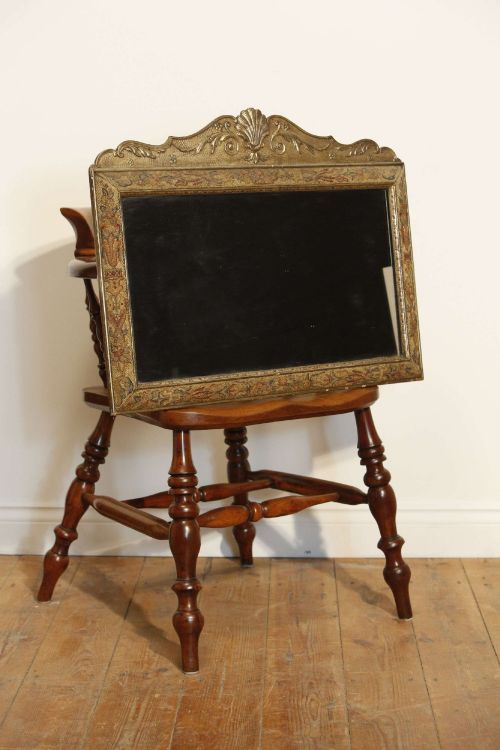
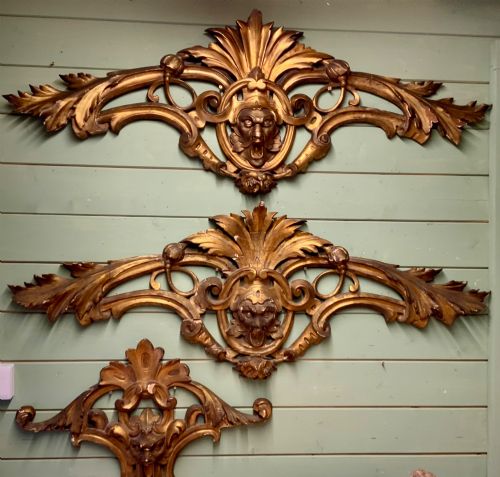
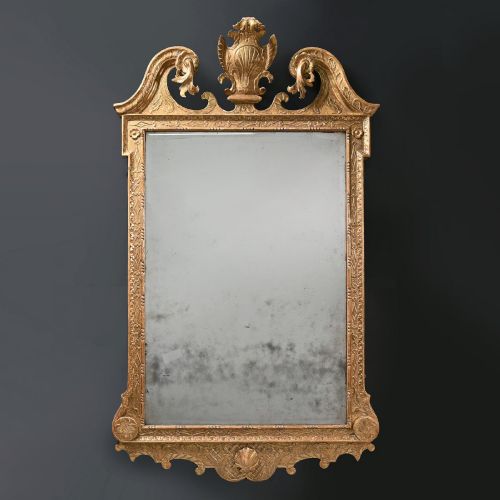
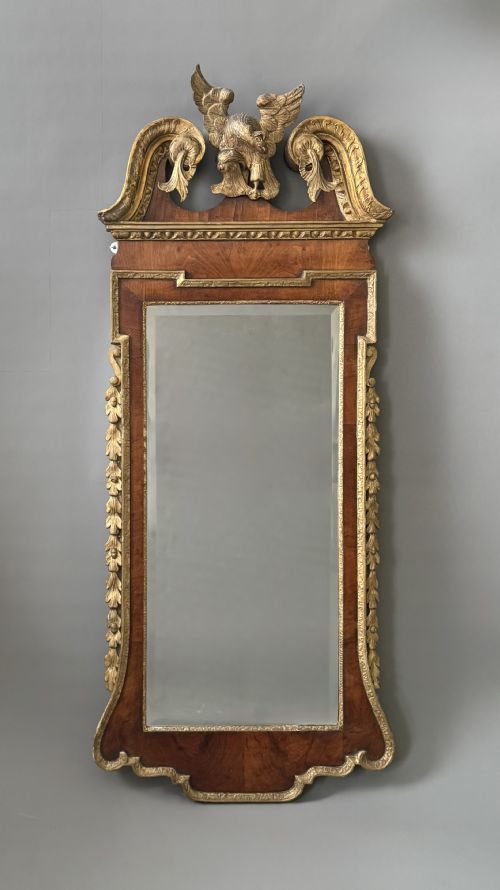
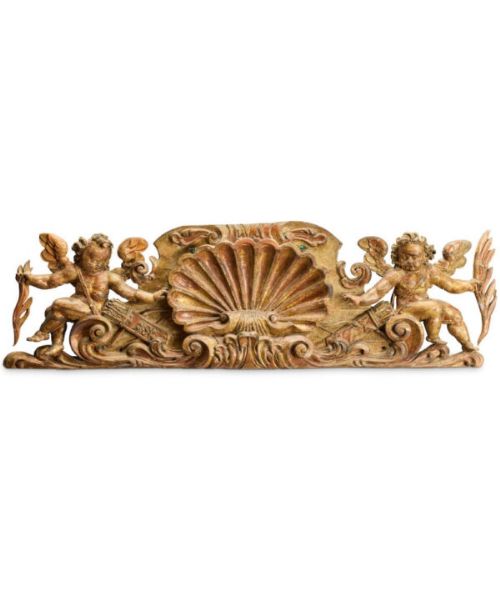
When you search for gold gilt pediment, you encounter architectural fragments, wall carvings, and mirrors carrying ornate crests above the glass or frame. These items range from eighteenth-century French wall carvings and George II walnut mirrors to nineteenth-century overmantel pieces and Italian tabernacles.
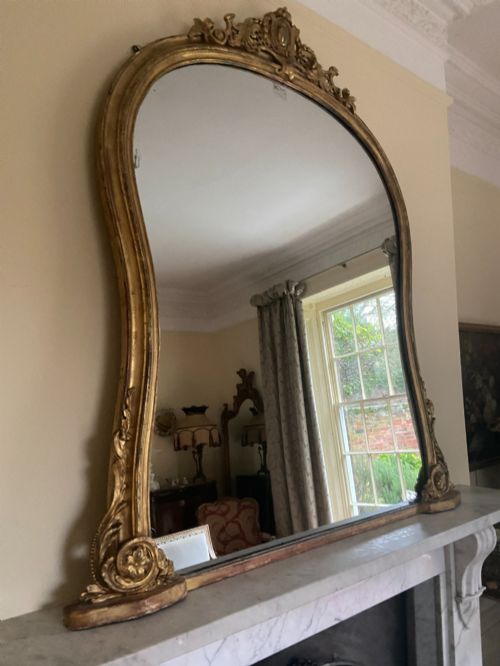
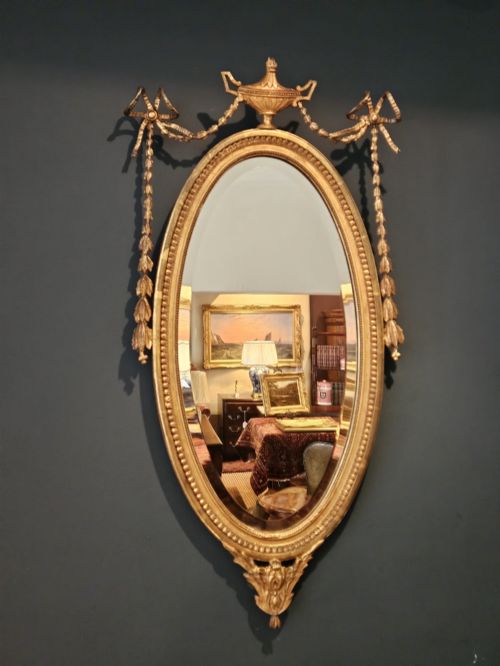
The version you are most likely to meet on this page is a nineteenth-century giltwood overmantel mirror or an eighteenth-century parcel gilt wall mirror featuring an urn, scroll, or architectural top. They derive their presence from historical styles including Neoclassical, Louis XVI, French Rococo, and Italian Baroque.
Beyond mirrors, the selection includes standalone architectural elements like carved wood pediments and capitals which originally surmounted doorways, altarpieces, or large pieces of furniture. Each example demonstrates how period makers translated classical stone architecture into carved and gilded wood.
Materials and construction
Carvers shaped timber, walnut, and softwood to form the core structure of each pediment and mirror frame, applying gesso to smooth the surface detail before gilding. This layered foundation allowed artisans to carve crisp acanthus leaves, urns, and architectural mouldings that held their definition beneath the metallic finish.
Workers applied thin sheets of gold leaf over the prepared gesso and bole, burnishing specific areas to create contrast between bright metallic highlights and matte textures. Parcel gilt examples combine exposed walnut timber with selective areas of gold leaf, highlighting the natural grain alongside the gilded ornament.
Gold Gilt Pediment Retail Price Guide 2026
Typical asking prices for gold gilt pediment among the pieces listed under this phrase on Sellingantiques today, from the lower quarter to the upper quarter. They describe what is for sale here now, not the wider market.
Some eighteenth-century pediments carry the distinct ghost of a missing central urn, having spent centuries quietly crowning an entirely different room.
Assessing quality and craftsmanship
Quality rests in the depth and crispness of the carving, where hand-tooled gesso and undercut timberwork separate master outputs from simpler production. Superior pieces show deliberate modulation in the ornament, with scrollwork and urn pediments resolved in proper classical proportion rather than cast in monotonous relief.
The integrity of the original gilding and the cohesion between the mirror plate and its upper pediment structure determine the piece's historical honesty. Refinishing can obscure the subtle patination built up across centuries, while an integrated pediment retains the unified design intention of its period workshop.
Grinling Gibbons
The Gold Gilt Pediment Glossary
- Pediment
- The triangular or curved architectural ornament crowning the top of a mirror frame, doorway, or piece of furniture. It originates from classical temple architecture.
- Giltwood
- Timber that has been coated with gold leaf or gold paint over a prepared gesso ground. It forms the primary reflective and decorative medium for many period mirrors.
- Gesso
- A plaster-like mixture applied to wood frames to provide a smooth, absorbent surface for gilding and fine carving. Master carvers incised details directly into this layer.
- Parcel Gilt
- A decorative treatment where only specific portions of a wooden object, such as mouldings and pediments, are gilded while the underlying walnut or timber remains visible.
- Overmantel
- A large mirror designed specifically to hang on the wall above a fireplace mantelpiece. These often incorporate prominent carved pediments to draw the eye upward.
Gold Gilt Pediment: Frequently Asked Questions
What is a gold gilt pediment?
A gold gilt pediment is a decorative architectural crown, often shaped like a triangle, arch, or broken scroll, covered in gold leaf over carved wood or gesso. These elements sit atop mirrors, furniture, and architectural openings to provide a formal focal point.
In historical interiors, they served to elevate the status of a wall hanging or doorway by mimicking classical stone building facades. The examples found here translate this monumental architecture into portable domestic scale.
How were overmantel mirrors used?
Overmantel mirrors were traditionally hung directly above the fireplace mantelpiece to reflect firelight and brighten dark rooms. Their generous proportions helped to visually expand the domestic interior.
The prominent pediments on these mirrors drew the eye toward the ceiling, balancing the heavy horizontal line of the mantel shelf below. They anchored the main reception rooms of Georgian, Victorian, and Edwardian homes.
How do I distinguish eighteenth-century mirrors?
Eighteenth-century mirrors often employ walnut timbers, parcel gilt finishes, and hand-carved gesso details executed in George II or Neoclassical styles. Their construction methods show pegged joinery and hand-bevelled glass plates shaped to fit individual frames.
Proportions during this era favoured balanced architectural framing, where the pediment integrates seamlessly with the sight glass. Artisans relied entirely on manual carving tools, resulting in organic variations in the symmetry.
How do I live with antique gilded wood?
Living with antique gilded wood requires keeping pieces away from direct heat sources and strong sunlight, which can dry out the underlying gesso and timber. Dusting should be done gently with a dry, soft brush rather than chemical polishes.
Allowing the piece to acclimate to a stable indoor humidity level prevents the wood from shifting and protects the delicate gold leaf layer. These objects integrate naturally into both traditional and contemporary room schemes as focal wall art.