




Gold Gilt Oval Frames
Gold gilt oval frames hold centuries of oil portraits, mirrors and miniatures, offering curved elegance to complement classical interiors.
Gold Gilt Oval Frames
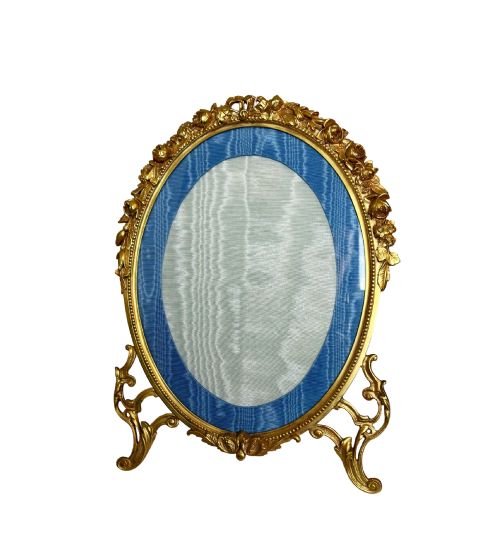
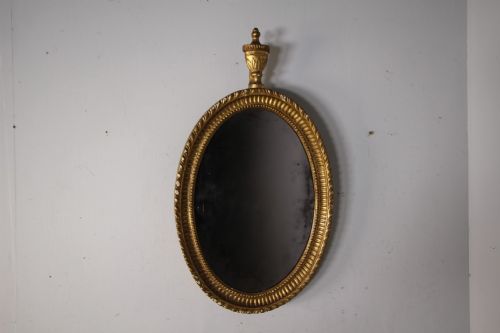
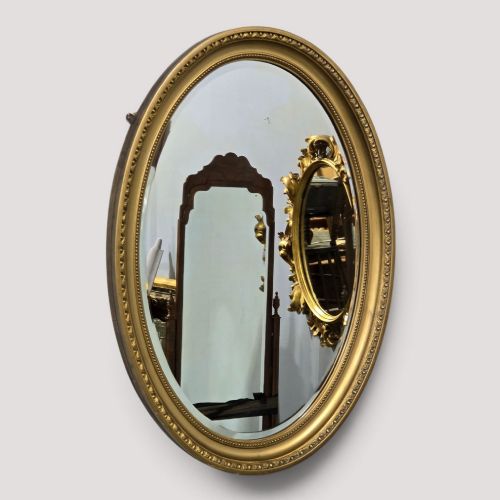
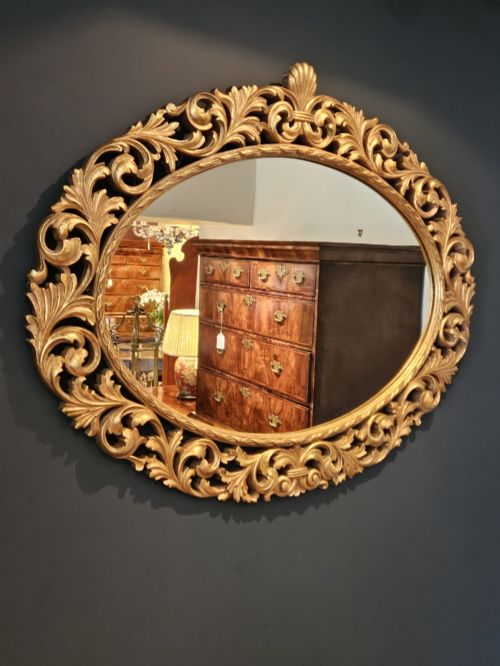
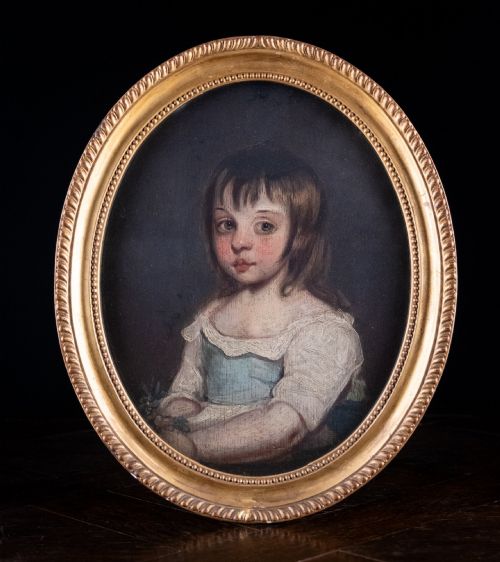
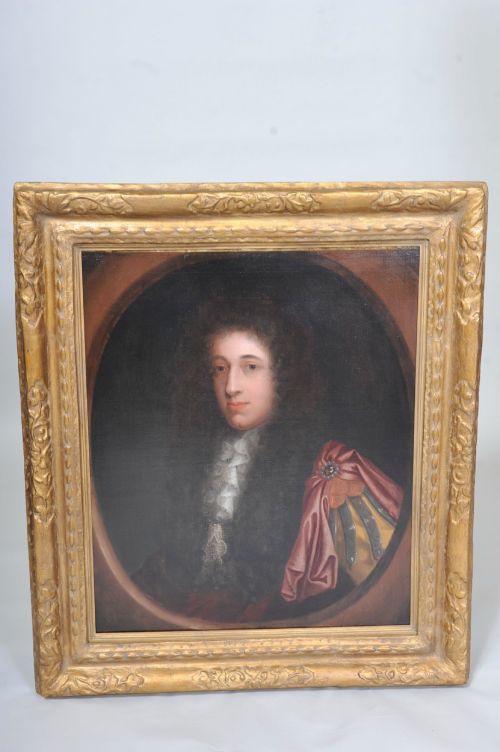
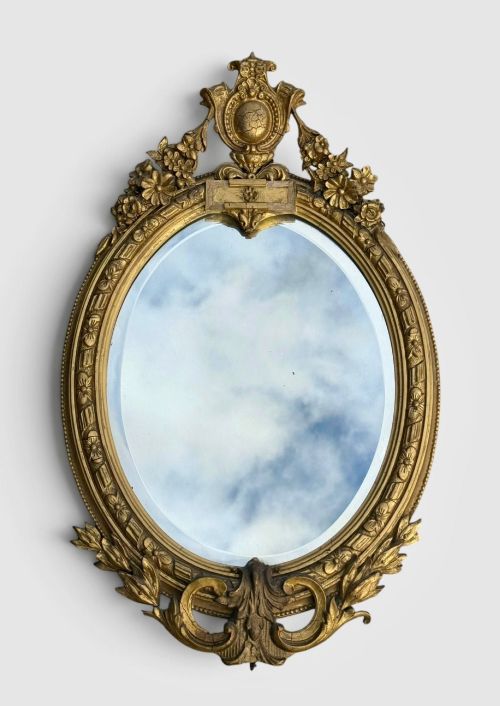
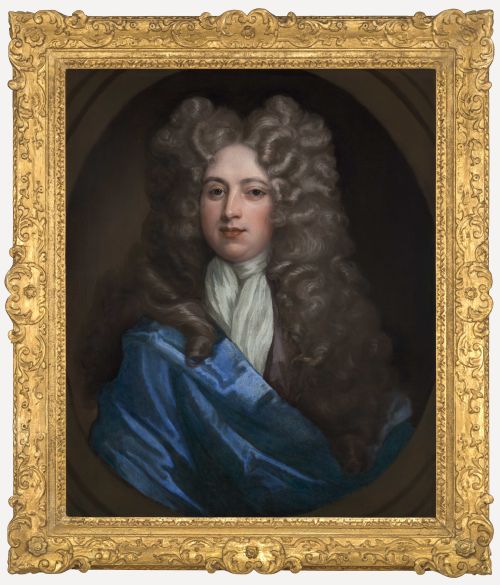
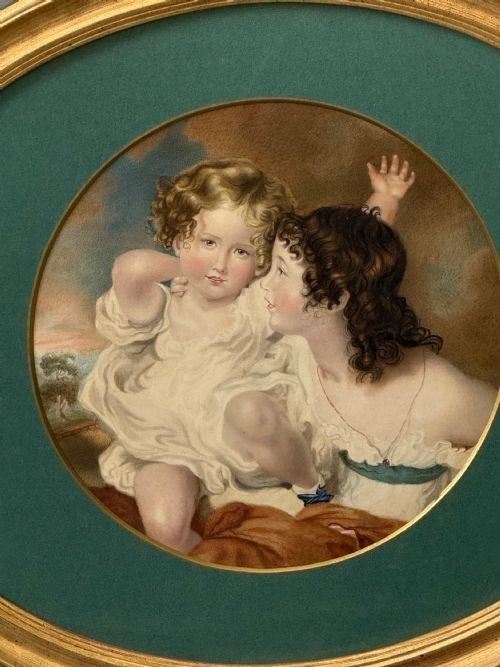
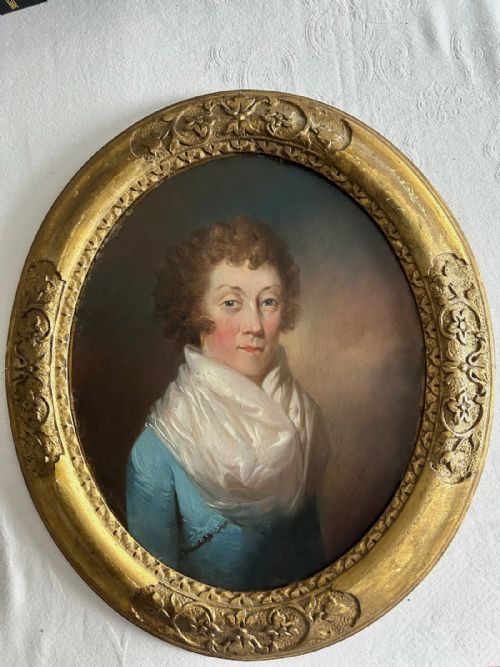
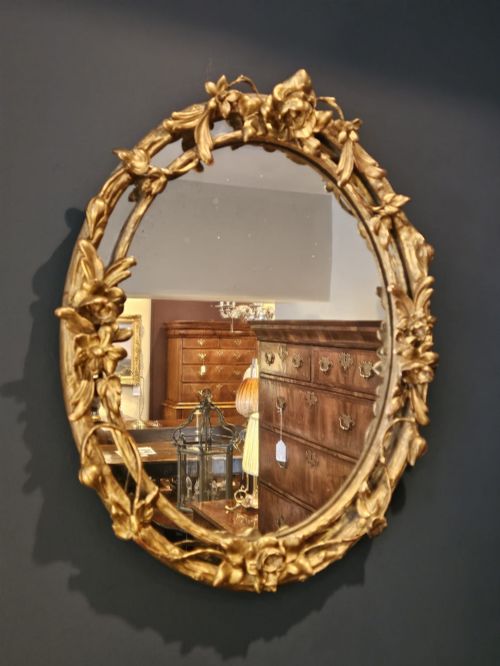
Gold gilt oval frames enclose historic works of art, including 17th, 18th and 19th-century oil paintings, watercolours, silhouettes and wall mirrors. These pieces span Georgian, Victorian, Regency and Baroque styles, bringing traditional craftsmanship into modern spaces.
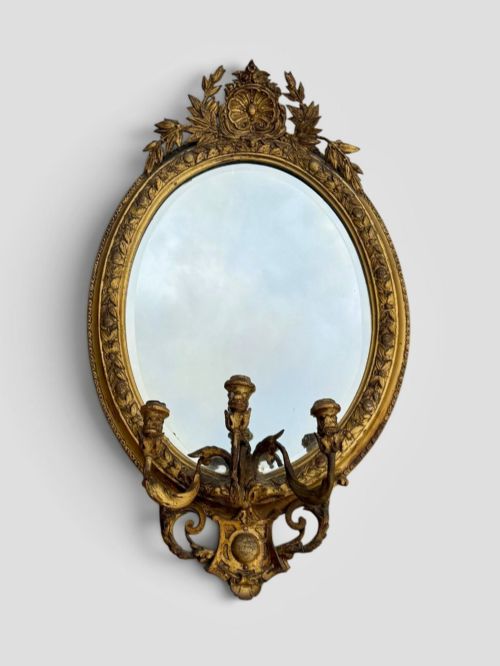
The most common examples on this page are carved wooden wall mirrors and oil portraits encased within gilded surrounds. Many incorporate gesso ornamentation, decorative foliage or deep cavetto profiles designed to draw the eye toward the central artwork or glass.
Materials and Construction
Makers formed these frames using carved timber, plaster and gesso over a wooden base, applying thin sheets of gold leaf or gilt bronze to achieve a reflective finish. Carved giltwood and ormolu components provided structural integrity alongside ornate decorative detail.
Surrounds frequently house oil on canvas, paper, or glass panels, held securely by period backboards. Gilding techniques relied on laying metal leaf over prepared bole surfaces, allowing artisans to burnish specific areas to a high sheen.
Listings feature pieces spanning the 17th, 18th and 19th centuries, utilising materials such as gesso, glass, oil on canvas and carved giltwood.
Factors of Quality
The crispness of hand-carved detail in the gesso and timber distinguishes superior examples from simpler moulded versions. Relief work displaying sharp undercut foliage or intricate scrollwork indicates skilled artisan labour rather than mass production.
The integrity of the original gilding and the depth of the frame profile dictate overall desirability. Retaining untouched historical surfaces without modern metallic paint overhauls preserves the authentic character and visual weight of the piece.
Sir Godfrey Kneller·Thomas Murray·John Scougall·James Sharples·John Russell
The Gold Gilt Oval Frames Glossary
- Gesso
- A plaster-like mixture applied to wood frames as a smooth base before gilding. This substance allowed carvers to shape intricate relief ornamentation.
- Giltwood
- Timber coated with gold leaf or gold paint. It provides a lightweight yet opulent housing for mirrors and paintings.
- Ormolu
- Finely chased and gilt bronze applied to decorative objects and picture frames. This French technique was popular in luxury workshops.
- Girandole
- A branched wall mirror designed to reflect candlelight. These ornate pieces combine functional glass with decorative gilded arms.
- Cavetto
- A concave moulding profile commonly found on deep picture frames. It helps direct visual focus inward toward the portrait.
Gold Gilt Oval Frames: Frequently Asked Questions
How do I hang a heavy gold gilt oval frame?
Secure wall fixings directly into masonry or wall studs using heavy-duty picture wire attached to original brass rings on the reverse. Ensure the hanging hardware matches the substantial weight of carved timber and glass.
Check that the internal rebate and backing boards support the artwork safely before mounting the piece at eye level.
Are these frames suitable for modern interiors?
Their curving profile softens rigid architectural lines, making them versatile accents for contemporary or traditional rooms alike. Pairing an antique mirror or portrait with minimalist surroundings creates a striking visual contrast.
Consider hanging a solitary oval frame above a mantlepiece or sideboard to establish a distinct focal point in a hallway or living space.
How can I date my gold gilt oval frame?
Examine the construction methods, backing timber, and fastener types visible on the reverse of the piece. Georgian and Regency examples often feature hand-planed boards and forged iron fixings, while Victorian versions may utilise machine-sawn components.
Stylistic cues such as Regency austerity or Victorian exuberant gesso ornament also point to specific manufacturing decades.
How should I clean a antique gilded surface?
Dust the carvings gently with a soft, dry artist brush or ostrich feather duster to remove surface particles. Avoid liquid cleaners, abrasive cloths, or chemical solvents which can strip fragile gold leaf.
Professional restoration is recommended if the gesso is flaking or the underlying timber is exposed.