
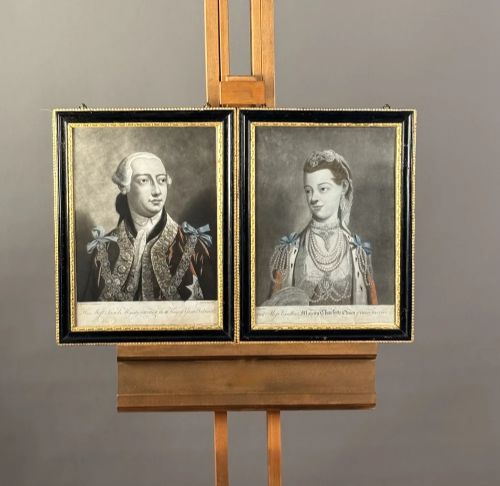
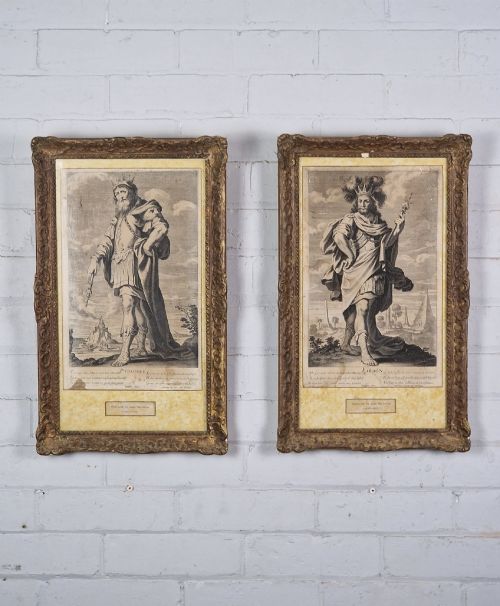
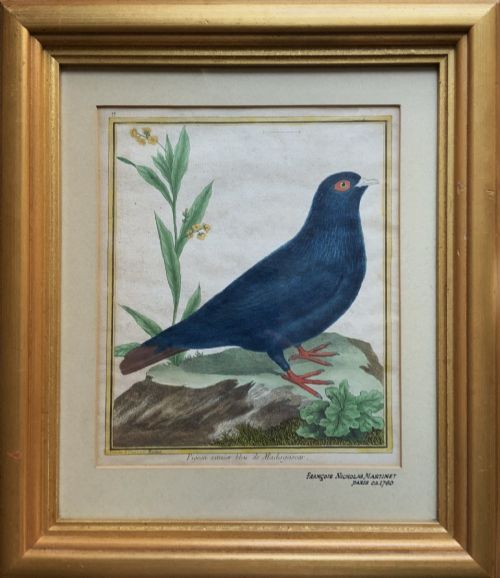
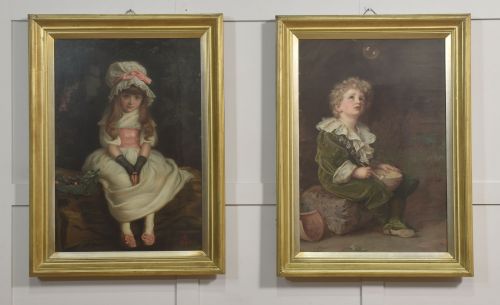

Gold Gilt Framed Print
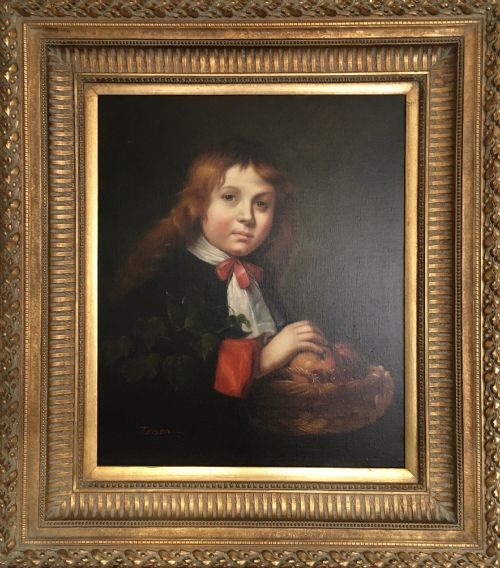
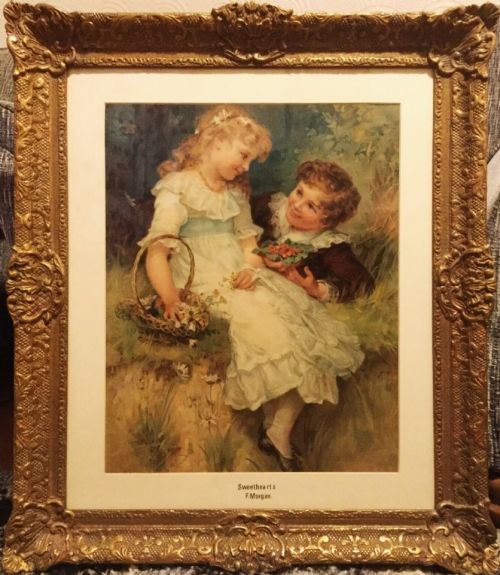
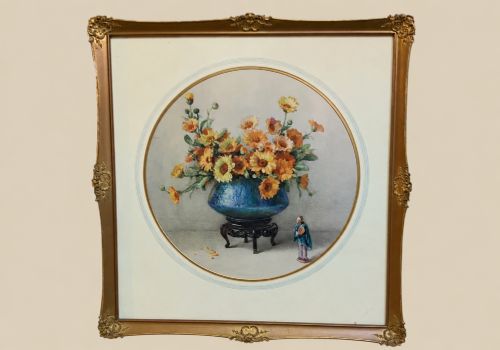
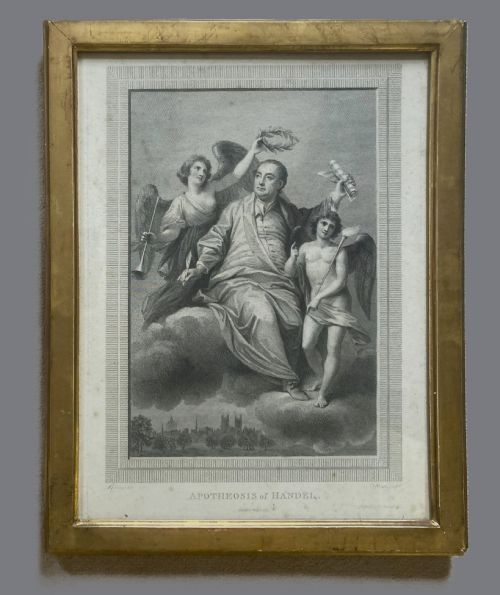
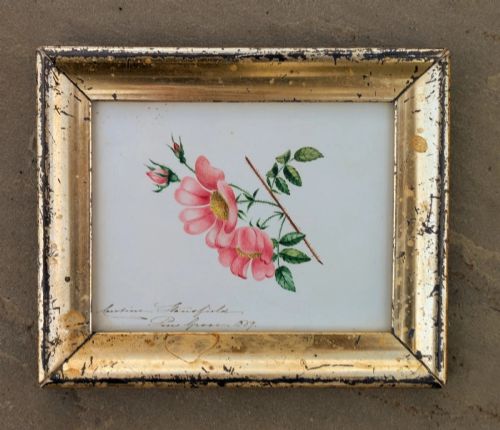
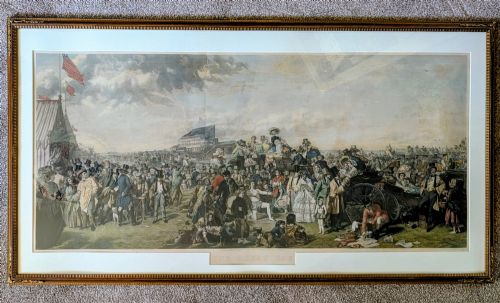
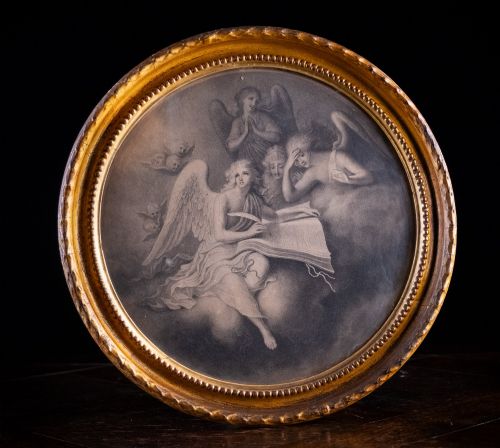
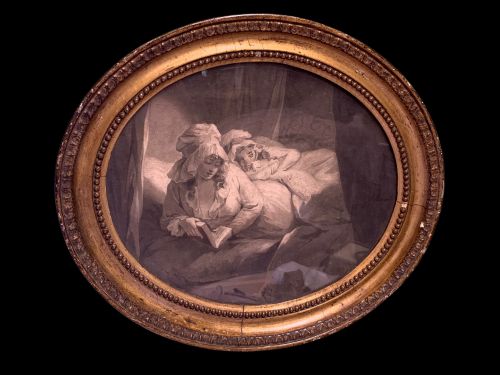
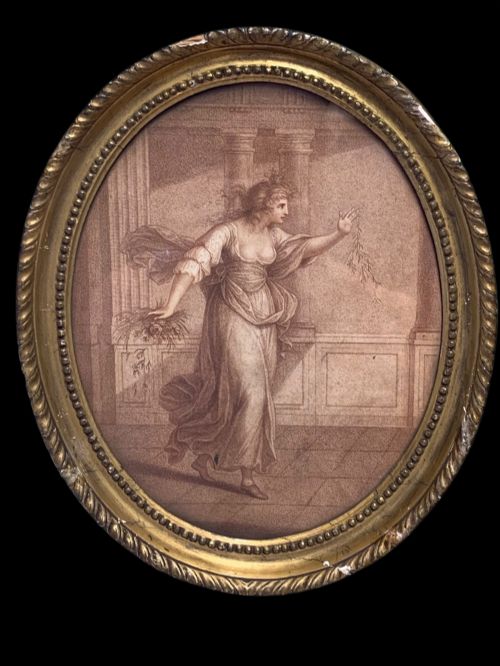
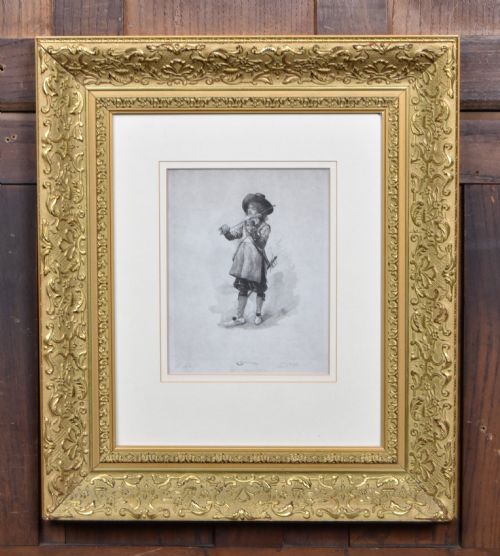
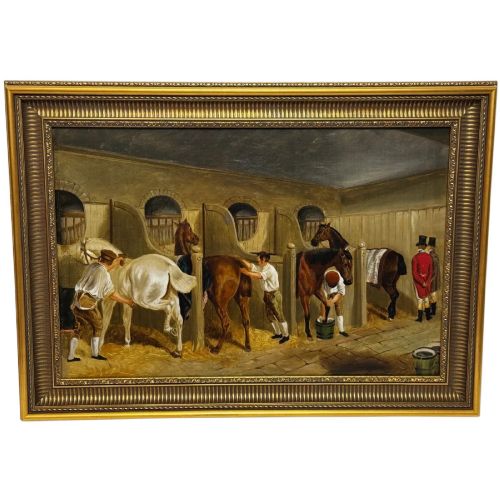
These gold gilt framed print selections offer historic engravings, watercolours and oil paintings housed in decorative period surrounds.
Gold Gilt Framed Print
A gold gilt framed print brings together centuries of wall art, encompassing hand-coloured engravings, lithographs and oleographs displayed within decorative borders. The search phrase covers everything from eighteenth-century French engravings and Regency stipple engravings to Victorian portraits and twentieth-century limited edition lithographs.
Buyers meet a diverse range of forms on this page, including botanical studies, animal scenes, architectural subjects and religious works. Many pieces pair traditional paper or canvas works with glass protection and wood or gesso frames finished in gold leaf.
Origins stretch across British, French and continental European workshops, reflecting shifting tastes from Georgian neoclassical restraint to ornate Victorian and French Baroque styling. The physical presentation relies heavily on period frames that match the era of the artwork contained within.
Materials and construction
Framing relies on wood substrates shaped with gesso and finished in gold leaf, gilt, or giltwood to create the characteristic metallic sheen. Artisans carved or moulded the wooden profiles before applying gold leaf layers by hand.
The artworks themselves utilise paper, canvas, or glass as a base for engraving, etching, lithography, watercolor, gouache, or oil painting. Hand-colouring frequently enhanced early printed works using precise water-based pigments.
Protection is afforded by glass panes secured over paper prints, watercolours, and engravings, often held in place by period backing boards and wooden pins.
Listings span centuries of printmaking and painting, featuring paper, glass, wood, gold leaf, and gesso across Georgian, Victorian, and mid-century periods.
Assessing quality and execution
Quality rests in the crispness of the impression on paper for engraved and printed works, where early strikes retain fine lines that wear down in later editions. Hand-colouring depth and precision similarly separate standard decorative prints from finer collector examples.
Frame construction dictates overall merit, distinguishing moulded composition ornament from hand-carved giltwood with deep relief and well-burnished gold leaf. The survival of original period frames matched to the exact date of the enclosed artwork elevates the piece considerably.
Artistic execution in the underlying image, whether an original oil painting, watercolour, or signed lithographic artist proof, determines the tier of the piece through composition handling and medium control.
Jean Mariette·François-Nicolas Martinet·James Heath·David Bates·William Powell Frith·Adam Buck·Harold Clayton·John Bond·Erich Mercker·Pablo Picasso·George Rankin·Louis Icart·John Alfred Wheeler·Sydney Wilson·Charles Edward Wilson
The Gold Gilt Framed Print Glossary
- Engraving
- A printmaking technique where an artist cuts lines directly into a metal plate with a sharp tool. This method produces crisp, detailed lines that define early book illustrations and fine art prints.
- Stipple engraving
- A method of creating prints by dotting the plate rather than cutting continuous lines. It generates soft tonal variations well suited for reproducing portraits and flesh tones.
- Oleograph
- A textured reproduction on canvas imitating an oil painting through chromolithographic printing. These prints often feature varnish layers and surface embossing to simulate brushstrokes.
- Gesso
- A plaster-like mixture applied to wood frames as a smooth base for gilding. It allows artisans to carve intricate decorative details before applying gold leaf.
- Lithograph
- A planographic printing process based on the repulsion of oil and water on a limestone slab or metal plate. Artists use this technique to achieve painterly marks and subtle shading.
Gold Gilt Framed Print: Frequently Asked Questions
How do I date a gold gilt framed print?
Dating relies on examining the construction methods of the frame, the paper type, and printing techniques such as stipple engraving or lithography.
Matching stylistic clues in the costume, subject matter, and typography of the caption provides further chronological certainty.
Are these prints original period pieces?
The listings include eighteenth-century engravings, nineteenth-century lithographs, and twentieth-century signed editions produced during the respective eras.
Many retain their original period frames constructed from gilt wood and gesso.
How should I hang and light these pieces?
Display works away from direct sunlight to protect delicate watercolours, hand-coloured engravings, and paper from fading.
Utilise picture lights with low-heat LED bulbs to highlight the gold leaf and metallic finishes of the gilt frames safely.
What is the difference between an engraving and an oleograph?
Engravings involve inked metal plates pressed into paper to create sharp linear impressions characteristic of historical book plates and fine art.
Oleographs are later mechanical reproductions printed on canvas to simulate the texture and appearance of oil paintings.