

Gold Gilt Figures
When buying gold gilt figures, you are looking at cast bronze, carved wood, and terracotta forms finished in bright metallic leaf or ormolu.
Gold Gilt Figures
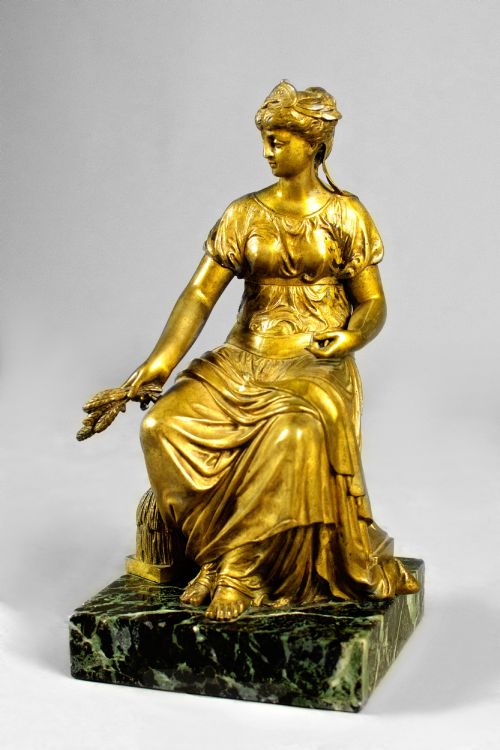
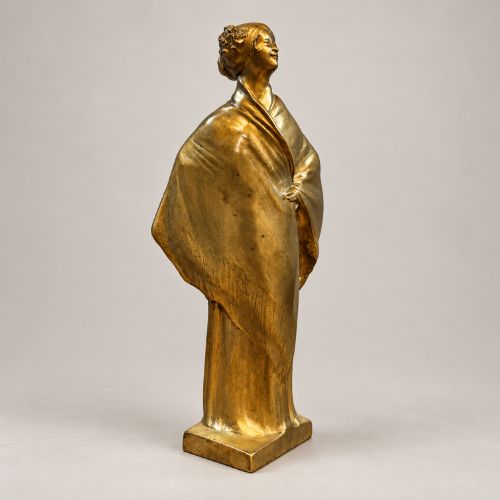
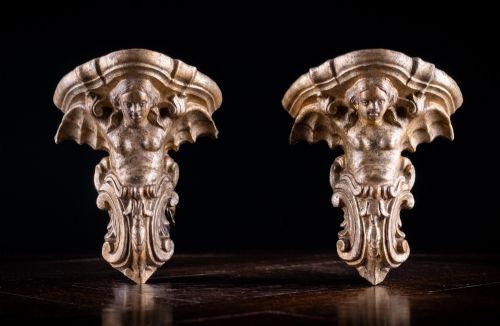
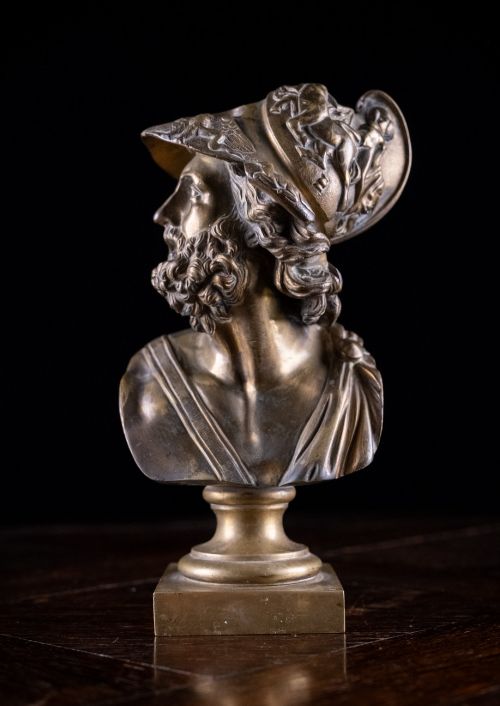
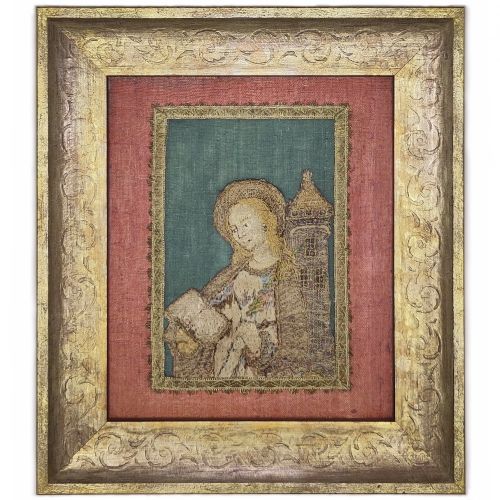
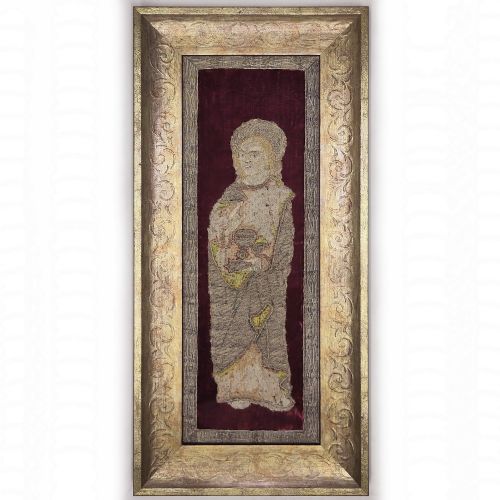
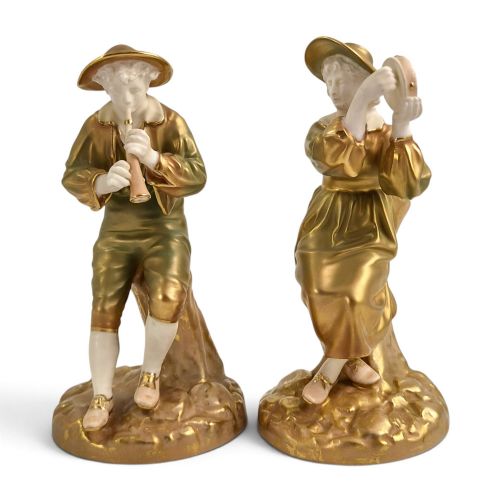
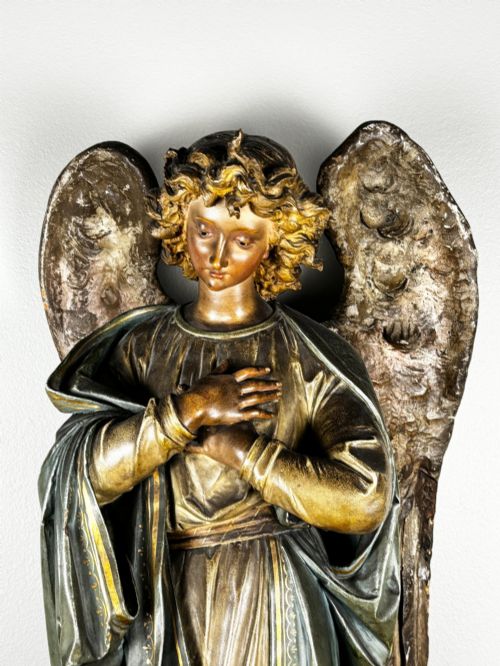
Gold gilt figures encompass cast metal sculptures, decorative table lamps, and architectural wall brackets originating from the eighteenth and nineteenth centuries. These pieces display metallic coatings applied to bronze, brass, wood, and terracotta surfaces to simulate solid gold or to catch the ambient light of period interiors. Buyers find works ranging from small tabletop bronzes to larger Grand Tour subjects and Sino-Tibetan deities.
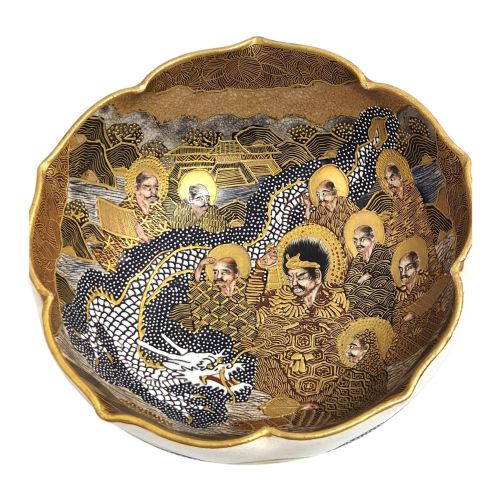
The selection here draws heavily from French Empire, Victorian, and Sino-Tibetan traditions, reflecting the diverse origins of gilt ornamentation in the antique market. French examples often lean towards classical maidens, mythological deities, and architectural candelabra, while Asian pieces present intricate votive figures seated on tigers or lions. Buyers frequently encounter nineteenth-century interpretations of classical subjects alongside earlier ritual objects.
Materials and construction
Makers utilised cast bronze, brass, and terracotta as foundations for their gilding, applying the metal leaf or mercury ormolu to the prepared surfaces. Gilt bronze pieces required careful chasing after casting to sharpen the facial expressions, drapery folds, and hair details before the final metallic finish was fixed. Wooden and terracotta variants received similar layers of size and gold leaf to achieve a uniform, luminous exterior.
In many examples, lapidary elements such as turquoise inlays or painted polychrome details augment the gilded surfaces to delineate eyes, ornaments, and garments. Ormolu work involved a hazardous mercury amalgam technique that bonded gold to bronze through intense heat, creating a durable surface that withstands centuries of handling. Carved giltwood and terracotta wall brackets combined structural timber or fired clay with delicate surface gilding to support heavier decorative schemes.
Gold Gilt Figures Retail Price Guide 2026
Typical asking prices for gold gilt figures among the pieces listed under this phrase on Sellingantiques today, from the lower quarter to the upper quarter. They describe what is for sale here now, not the wider market.
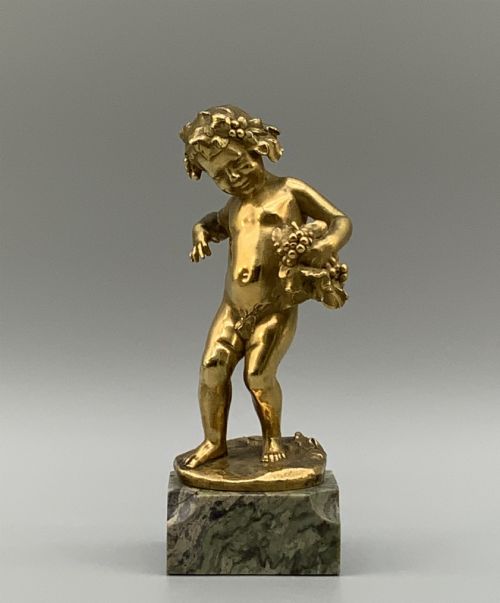
Several figures in the evidence depict wrathful Buddhist protectors and infant Bacchus, proving that historical sculptors enjoyed balancing divine fury with cheerful mythological drinking.
Differentiating quality in metal and finish
The crispness of the chasing and the retention of the original mercury gilding or gold leaf define the upper tier of these objects. Master sculptors and foundry workers spent hours hand-chiselling the bronze after it left the mould, ensuring that fingers, hair strands, and textile patterns remained distinct and sharp. Lesser examples show softened details where the cast is blurred or the chasing was omitted entirely to save production time.
The warmth and depth of the gilt surface indicate the quality of the materials used during production, with superior pieces retaining their original burnished highlights against matte grounds. Patination beneath the gold also matters, as heavy cleaning in past decades can strip the gilding and leave the base metal exposed. The integrity of the casting joins, the weight of the bronze, and the presence of maker attribution stamps further separate standard decorative items from works of fine art.
Deakin and Francis·Susse Freres·Pierre Philippe Thomire
The Gold Gilt Figures Glossary
- Ormolu
- Finely ground high-carat gold amalgamated with mercury and applied to a bronze base through heat bonding. This historic French technique produces a rich, durable golden finish that does not tarnish easily.
- Chasing
- The manual tooling of a metal casting with punches and hammers after it leaves the mould. Skilled artisans used this process to sharpen details and textures on bronze figures.
- Sino-Tibetan
- A stylistic classification for art produced in regions influenced by both Chinese and Tibetan artistic traditions. These works frequently depict Buddhist deities with gilt surfaces and turquoise inlays.
- Grand Tour
- A cultural journey undertaken by wealthy young Europeans in the eighteenth and nineteenth centuries to study classical art. Travellers collected small bronze busts, statues, and architectural models as souvenirs.
Gold Gilt Figures: Frequently Asked Questions
What is the difference between ormolu and gold leaf?
Ormolu involves an amalgamation of gold and mercury bonded to bronze through intense heat, producing a luminous metallic finish integral to the cast. Gold leaf consists of beaten sheets of gold applied over a prepared size or bole on wood, terracotta, or metal.
Both finishes create a similar golden appearance, but ormolu belongs strictly to metalwork while leaf appears across a wider variety of organic and inorganic substrates.
How can I tell a nineteenth-century cast from a modern reproduction?
Examine the underside and seams of the piece for signs of sand casting, hand-chasing marks, and the natural wear associated with age. Nineteenth-century bronzes often display heavier weight, deeper patination beneath the gold, and construction methods appropriate to their specific period.
Modern replicas frequently exhibit uniform machine finishes, lack hand-tooled details in the hair and drapery, and show none of the micro-abrasions expected from historical handling.
Where should I place these figures in a room?
Position your gilt figures where directional lighting can catch the metallic highlights of the chasing and the warmth of the gold. Placing them near table lamps or opposite windows enhances their reflective qualities without exposing them to direct, harsh sunlight.
Ensure that wooden or marble surfaces beneath heavy bronzes are protected with suitable pads to prevent scratching the furniture or the base of the sculpture.