

Gold Gilt China
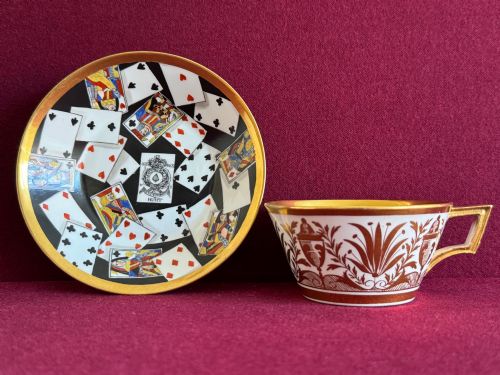
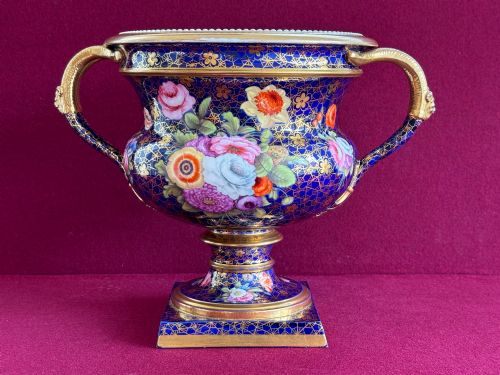
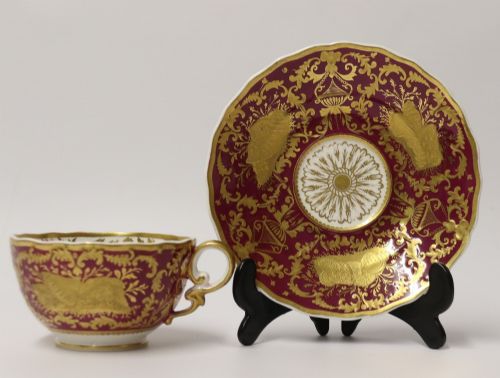
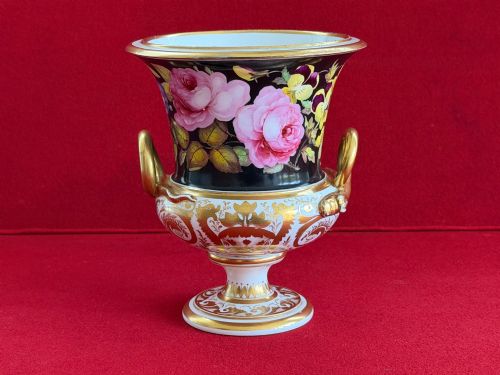
Gold gilt china brings together painted porcelain and lustrous metal finishes, offering collectors finely detailed cabinet plates, vases and teacups.
Gold Gilt China
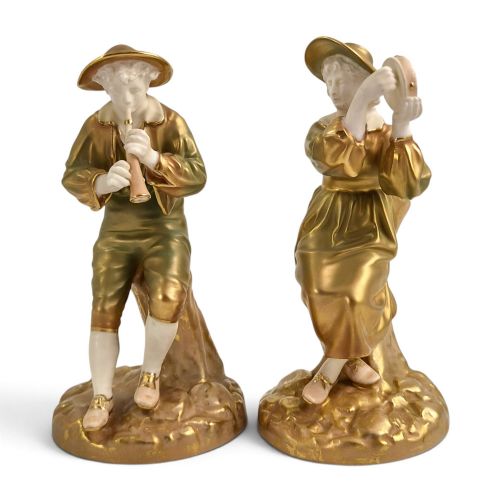
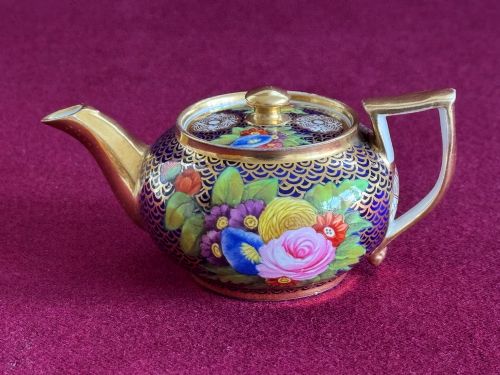
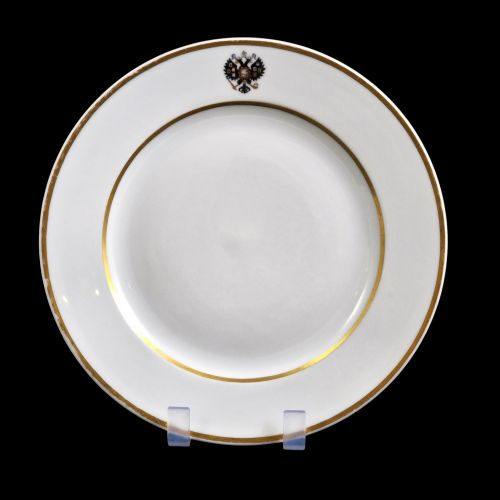
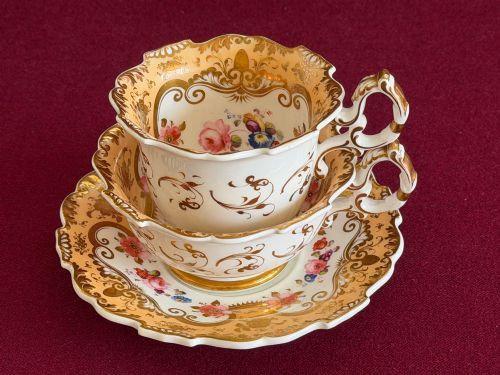
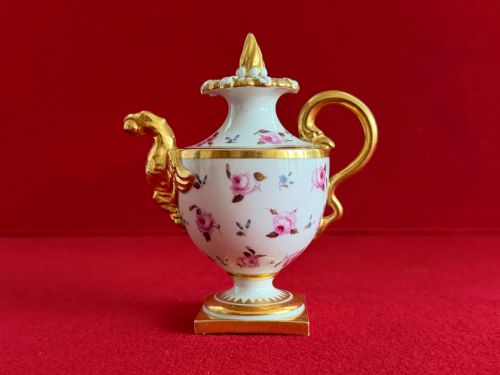
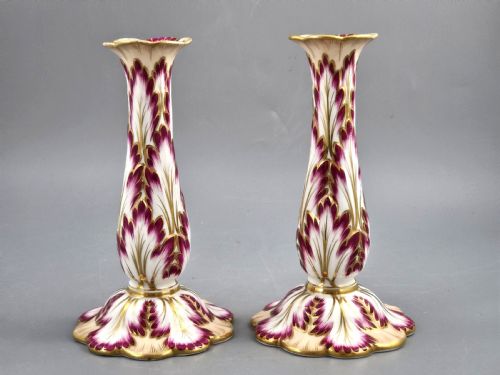
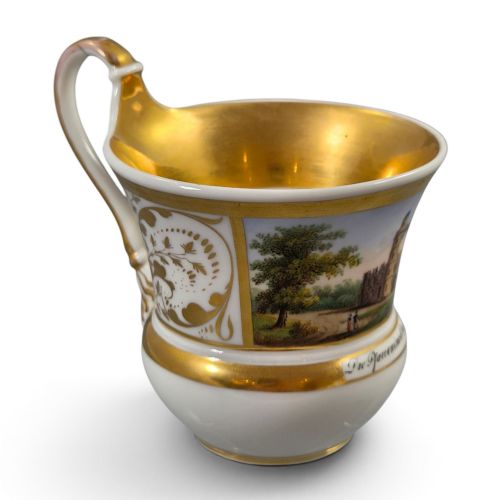
Gold gilt china comprises decorative ceramics enhanced with gilded surfaces, ranging from Georgian tea services to Victorian cabinet plates and Edwardian dishes. The selection on this page leans heavily towards English porcelain from factories like Spode, Royal Worcester and Derby, alongside continental pieces.
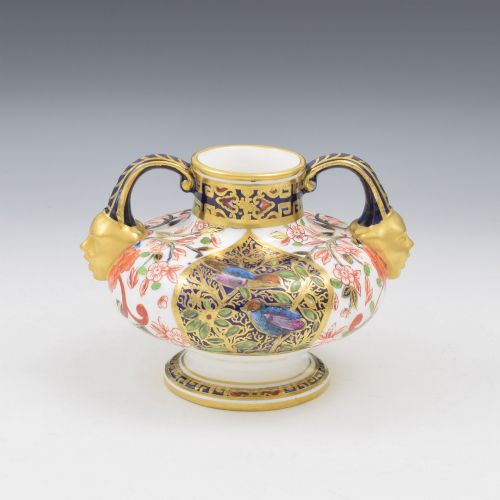
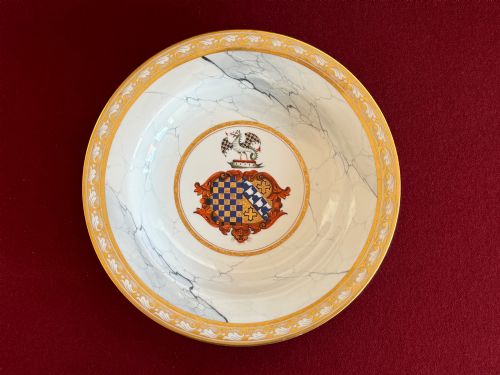
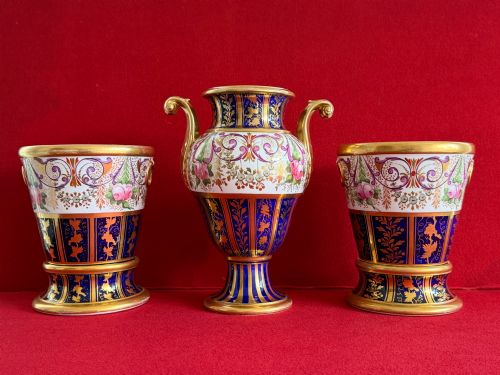
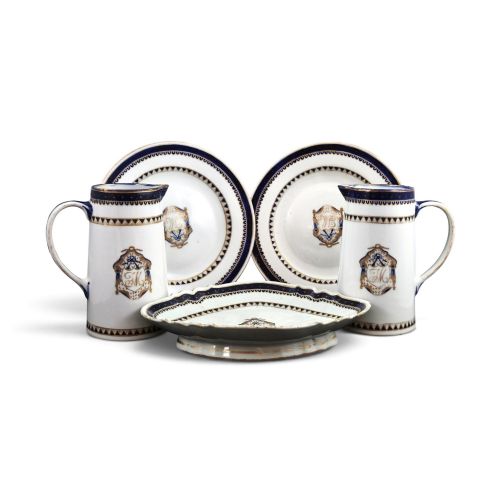
Forms include twin-handled vases, armorial soup plates, chocolate cups, and dessert services intended primarily for display rather than daily service. These objects reflect shifting aesthetic movements, moving from Regency neoclassical motifs through to Aesthetic period patterns and Art Deco designs.
Materials and Techniques
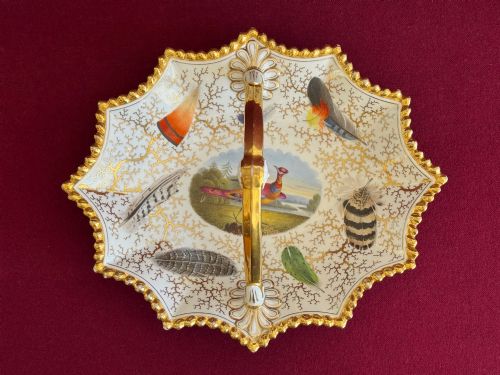
The pieces combine hard-paste or bone china bodies with hand-painted enamel decoration and applied gold leaf or gilding. Artisans utilised intricate brushwork for floral studies, topographical scenes, and armorial crests before applying metallic finishes to rims, handles and borders.
Firing techniques allowed enamel colours to fuse with the porcelain glaze, while burnished gold added contrasting matt and bright highlights across vases, plaques and tableware.
Gold Gilt China Retail Price Guide 2026
Typical asking prices for gold gilt china among the pieces listed under this phrase on Sellingantiques today, from the lower quarter to the upper quarter. They describe what is for sale here now, not the wider market.
William Pegg earned the nickname 'Quaker' because he abandoned his profession to preach before finding his true calling painting flowers on porcelain.
Evaluating Quality
Quality rests upon the precision of the hand-painted details, the skill of the ceramic modeling, and the reputation of the decorator or pottery. Signed pieces by notable artists or established factories command greater interest among collectors.
The crispness of the gilt work and the preservation of the enamel colours over the glaze indicate the standard of production achieved during manufacturing.
Spode·Royal Worcester·Derby Porcelain·KPM Berlin·Imperial Porcelain Factory·Flight Barr and Barr·H and R Daniel
The Gold Gilt China Glossary
- Bone china
- A type of soft-paste porcelain incorporating bone ash, which yields a strong, slightly translucent body suitable for refined tableware.
- Cabinet plate
- A decorative ceramic plate intended for display in a cabinet or on a wall rather than for serving food.
- Gilding
- The application of gold leaf or gold powder to the surface of ceramics to create metallic ornamentation.
- Enamel
- Opaque glass-like paint applied over the glaze and fired at a lower temperature to add vibrant colour.
- Garniture
- A set of three or more matching vases or decorative objects designed to be displayed together on a mantelpiece.
Gold Gilt China: Frequently Asked Questions
What is gold gilt china used for?
These ceramic items served as status symbols for wealthy households, used during formal dining occasions or displayed in drawing rooms to demonstrate taste and refinement.
Today, collectors primarily display cabinet plates, vases, and teacups in glass cabinets or on stands to preserve their painted surfaces and metallic details.
How do I care for antique gilt china?
Antique ceramics with gold leaf and enamel decoration require gentle handling and should be washed by hand in lukewarm water using mild soap if necessary.
Avoid abrasive sponges or dishwashers, as these cleaning methods will wear away the delicate gilding and hand-painted details over time.
How can I tell the period of a piece?
Makers' marks, pattern numbers, and factory backstamps stamped or painted on the base provide the most reliable evidence for dating English and continental porcelain.
Stylistic indicators, such as Regency neoclassical shapes or Victorian floral painting styles, also help narrow down the decade of manufacture.
Are all gilt pieces made of porcelain?
While the majority of items listed under this category are porcelain or bone china, some related objects incorporate ironstone, earthenware, or gilt-bronze mounts.
Ceramic bodies vary in weight and translucency depending on the factory recipe and the period in which they were produced.