

Gold Gilt Chandelier
A gold gilt chandelier brings commanding presence to a room, offering glittering illumination through layered crystal drops and gilded metalwork.
Gold Gilt Chandelier
A gold gilt chandelier represents a prominent ceiling fixture designed to cast expansive light across principal rooms. These decorative centerpieces derive primarily from French and Italian workshops spanning the late nineteenth and early twentieth centuries.
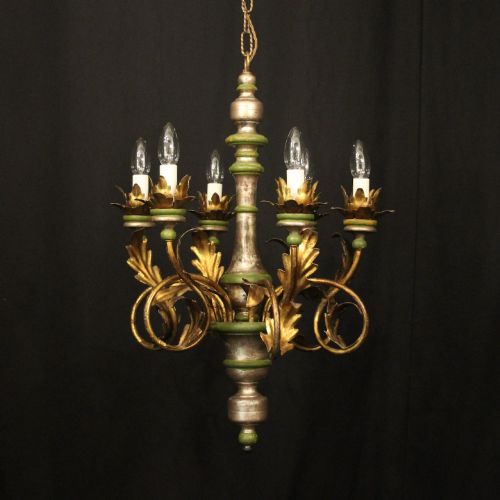
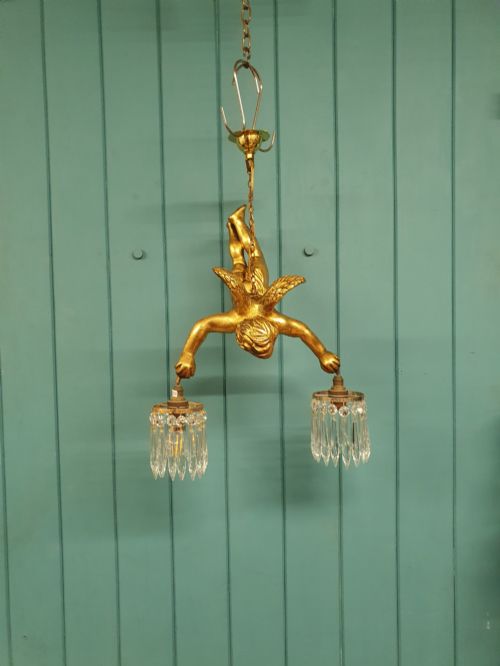
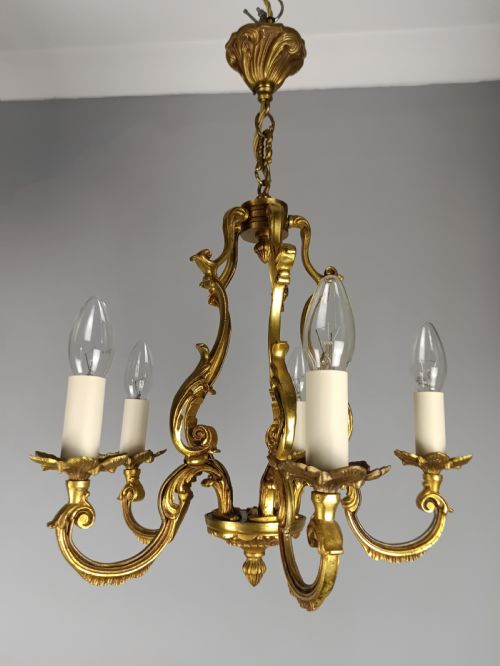
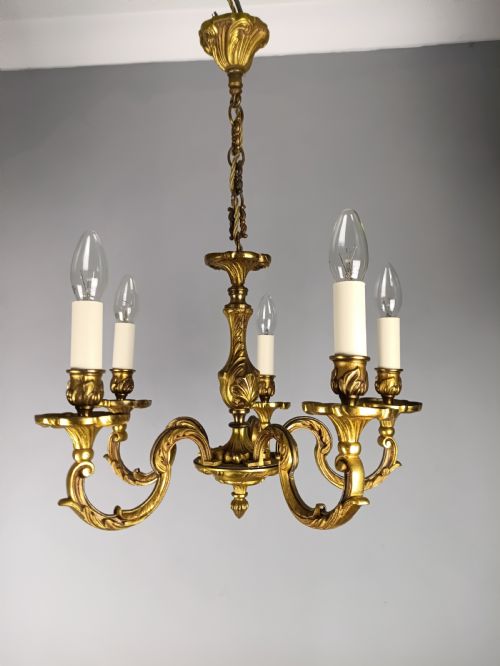
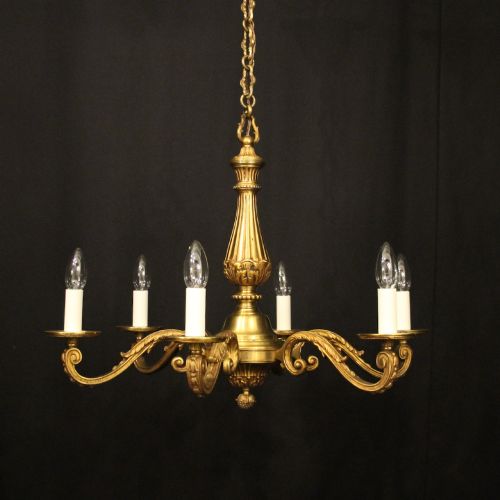
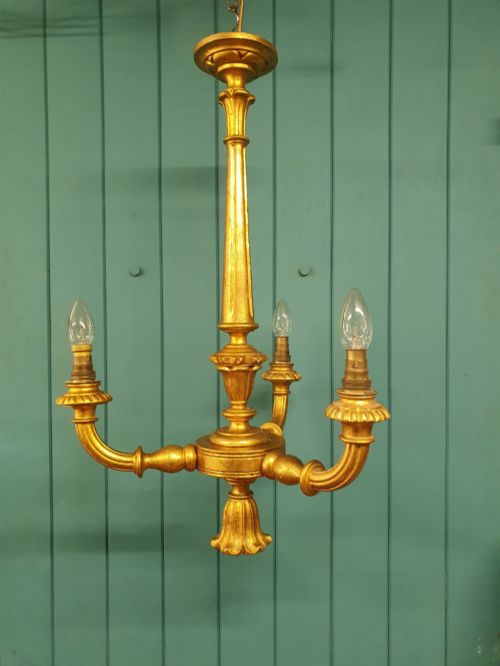
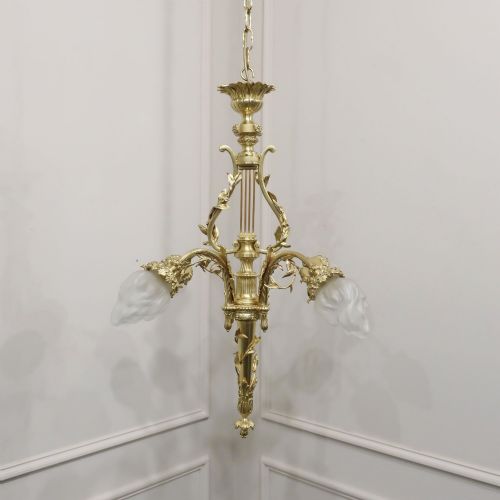
The selections on this page concentrate heavily on multi-light configurations fashioned in styles such as French Rococo, Neoclassical, and Italian Florentine. Buyers encounter forms ranging from classic birdcage and tent designs to elaborate fixtures featuring cherubs, giltwood, and tolewear elements.
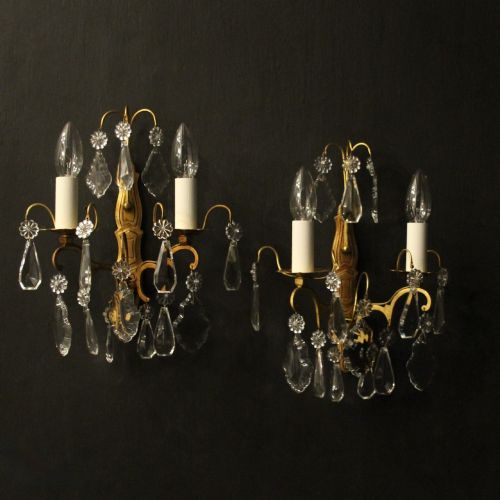
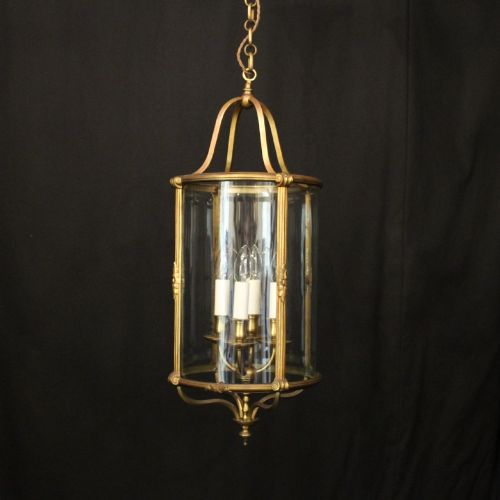
Beyond standard ceiling suspensions, the category includes hall lanterns, wall lights, and wall sconces sharing identical metallic finishes and crystal adornments. Each surviving example demonstrates the decorative ambitions of Edwardian and earlier nineteenth-century domestic interiors.
How they were made
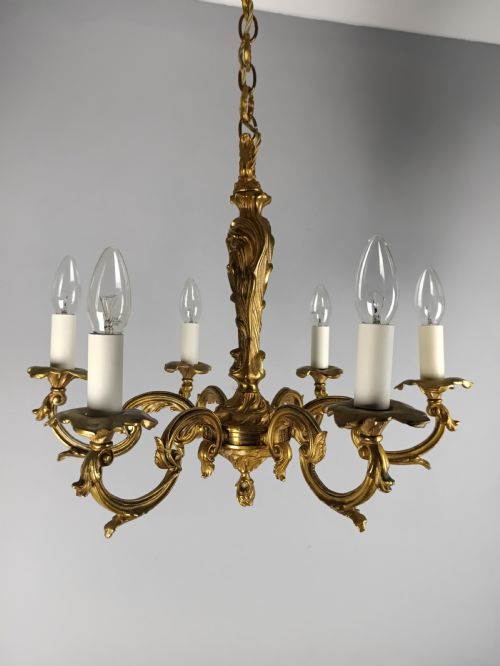
Makers utilised cast bronze, brass, spelter, and carved wood as foundational armatures, applying gold leaf or liquid gilding to achieve a lustrous metallic surface. Artisans shaped metal frames into intricate scrollwork, coronets, and leafy motifs before securing them with structural pins and connectors.
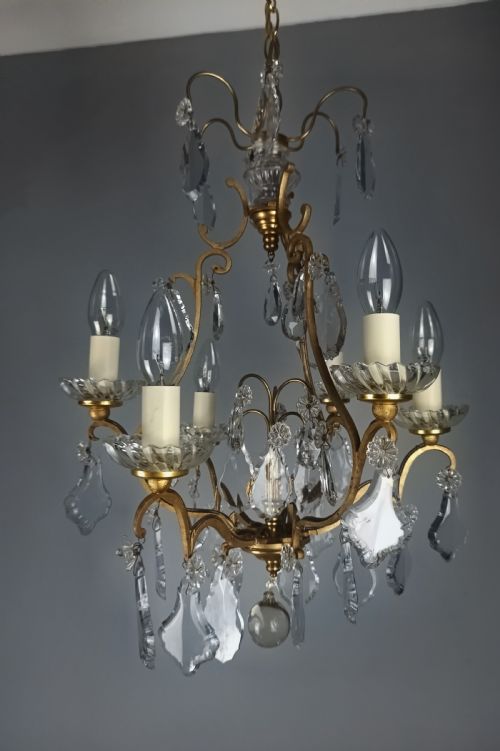
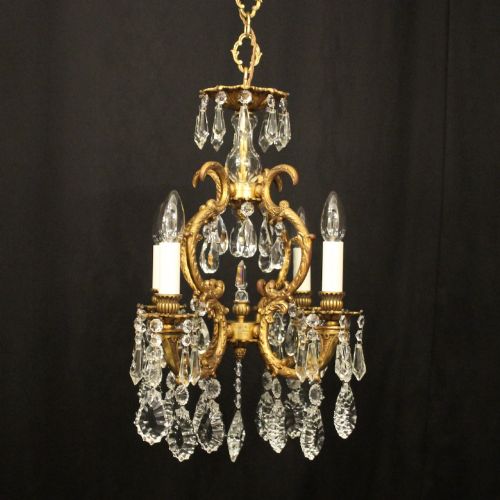
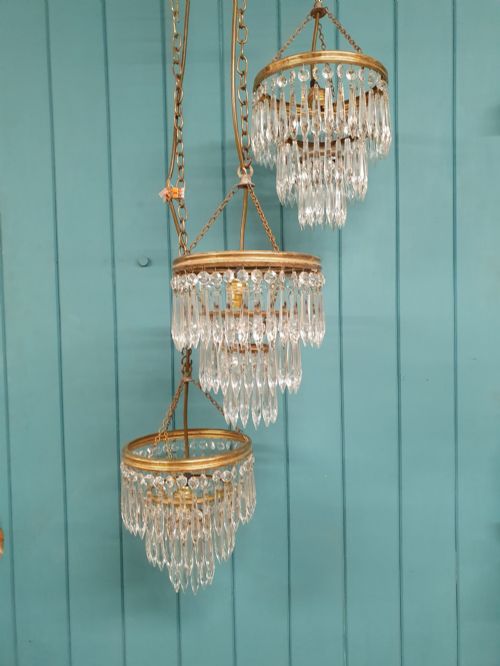
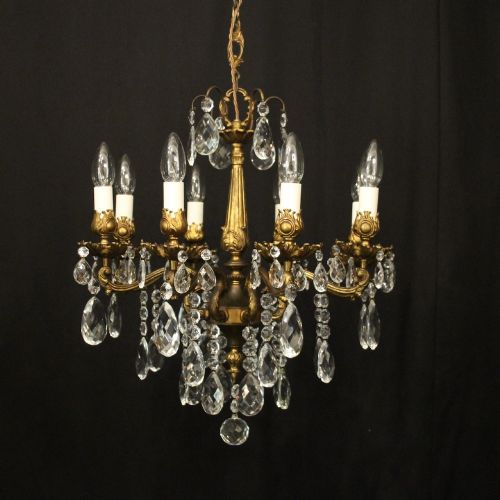
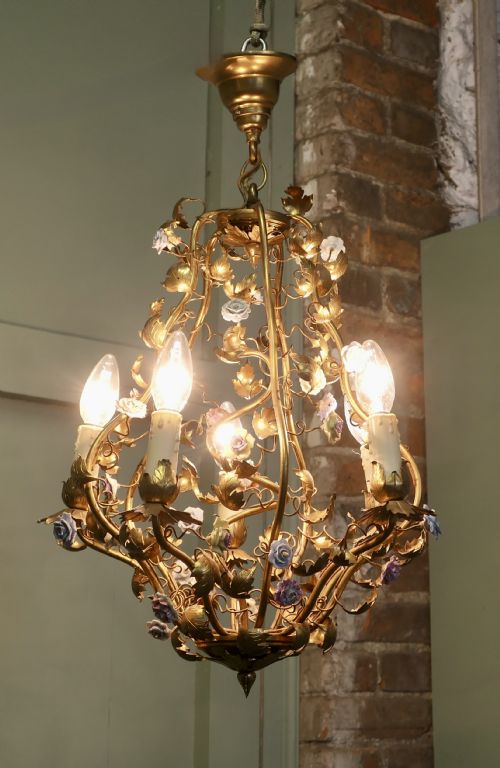
Lighting elements incorporated cut glass, crystal drops, amber teardrops, and etched glass panes to refract bulb or candle illumination throughout the space. Additional decorative details frequently involved painted tolewear, ceramic flowers, and gesso relief work applied to wooden bases.
Several flying cherubs and winged cupids hold up the illumination, ensuring celestial company for dinner guests.
What varies in quality
The refinement of the metal casting and the depth of the gilding separate standard production from superior work. Heavier bronze frames and hand-carved giltwood exhibit sharper architectural details than lighter pressed brass or painted alternatives.
The grade of the glass components heavily influences the overall brilliance of the fixture. Heavy cut crystal and precision-etched panels produce clearer light refraction than plain pressed glass pendants and simpler drops.
The Gold Gilt Chandelier Glossary
- Gilt bronze
- Metalwork coated in a thin layer of gold, providing a durable and rich metallic finish that resists tarnishing over decades. It forms the primary structural body for many finer French fixtures.
- Toleware
- Lacquered or painted metal sheet used to create decorative elements such as floral motifs and leaves on specific chandeliers. This technique adds colourful accents to otherwise metallic compositions.
- Cut crystal
- High-purity glass shaped with precision facets to maximise light refraction and sparkle. These hanging drops adorn the arms and crowns of superior lighting pieces.
- Birdcage chandelier
- A specific open-frame lighting form resembling an aviarial enclosure, constructed with curved metal strips supporting multiple internal tiers of lights. The design creates a distinct vertical silhouette.
- Gesso
- A plaster-like mixture applied to wooden frames before gilding, allowing artisans to carve fine surface details and relief decoration. It appears predominantly on nineteenth-century giltwood pieces.
Gold Gilt Chandelier: Frequently Asked Questions
How do I hang a heavy bronze chandelier safely?
Professional electricians must anchor the fixture directly into ceiling joists using a rated steel support box. The substantial weight of cast bronze and crystal requires dedicated structural reinforcement rather than standard plaster fixings.
Height placement depends on room proportions and traffic flow below the fixture. Dining spaces generally accommodate a lower suspension over the table centre.
Can I convert an antique candle chandelier to electricity?
Many surviving fixtures undergo careful rewiring to accept modern internal bulb sockets while preserving exterior candle tubes and drip pans. This adaptation allows historical pieces to function safely within contemporary electrical standards.
Specialist restorers retain original brass components and surface patinas during the conversion process to maintain historical integrity.
How do I clean crystal drops on a gilt chandelier?
Removal of individual crystal pendants allows for gentle washing in warm water with mild soap before thorough drying with a lint-free cloth. Metal frames require dusting with a soft brush to protect delicate gold leaf surfaces.
Harsh chemical cleaners should remain strictly avoided to prevent stripping the historic gilding or clouding the glass facets.
What distinguishes French Rococo from Neoclassical chandeliers?
French Rococo designs display asymmetrical curves, exuberant leaf scrollwork, and naturalistic shell motifs that suggest dynamic movement. These pieces favour ornate, flowing contours across every visible arm and bobeche.
Neoclassical lighting adheres to stricter symmetrical geometry, incorporating architectural urns, swags, and classical proportions derived from ancient Greek and Roman models.