




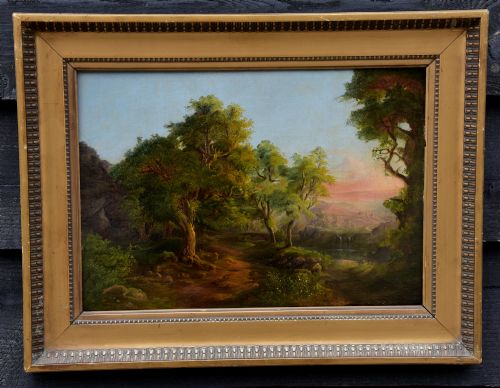
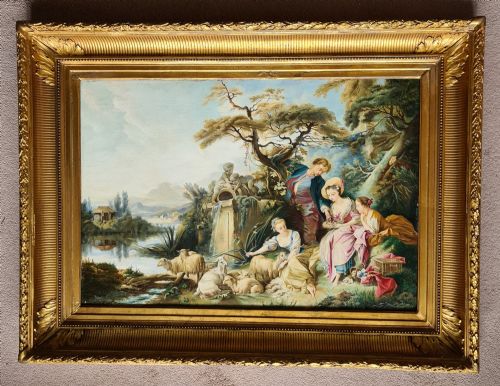
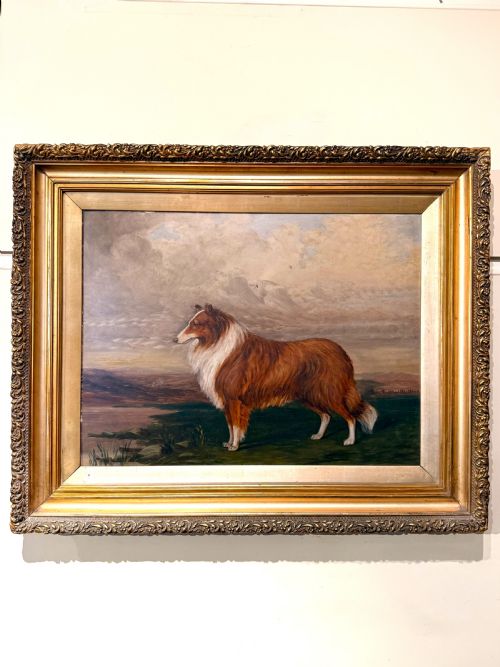
Gold Gilded Frame Painting
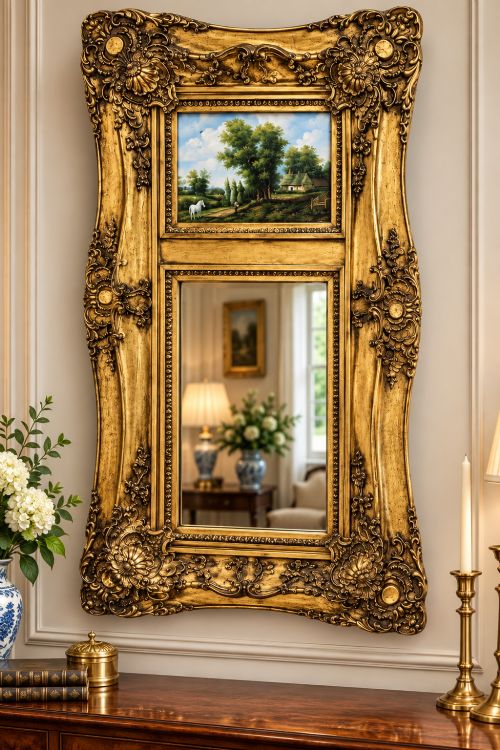
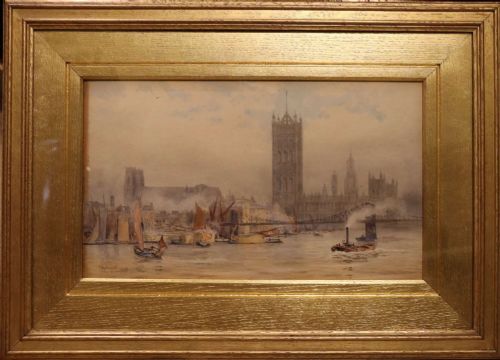
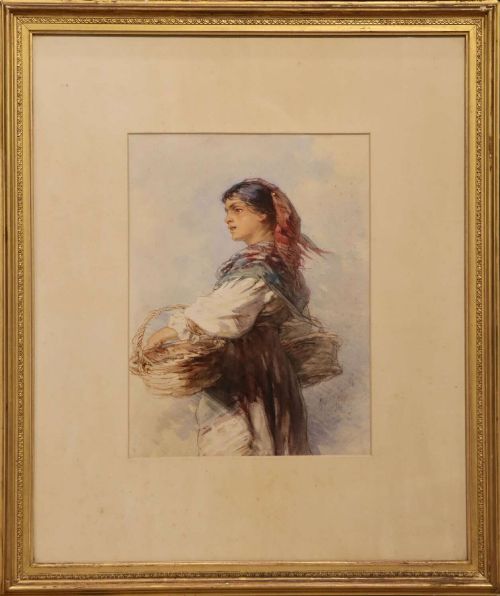
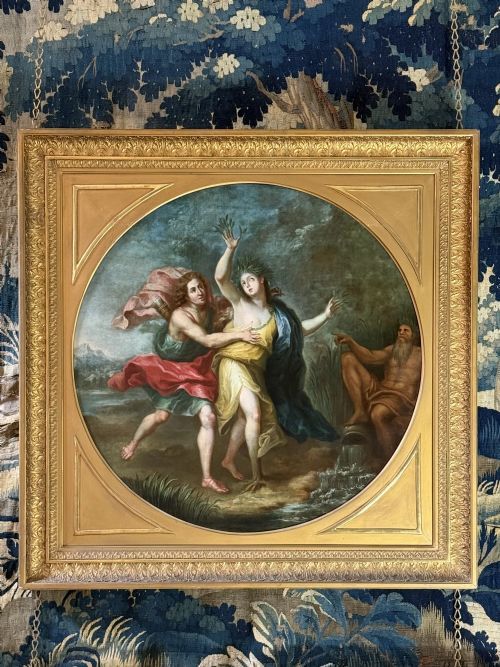
When seeking a gold gilded frame painting, collectors acquire historic portraits, landscapes, and still lifes unified by rich metallic surrounds.
Gold Gilded Frame Painting
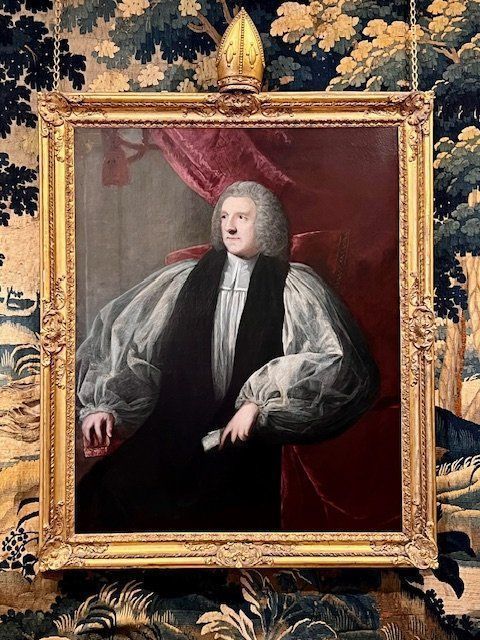
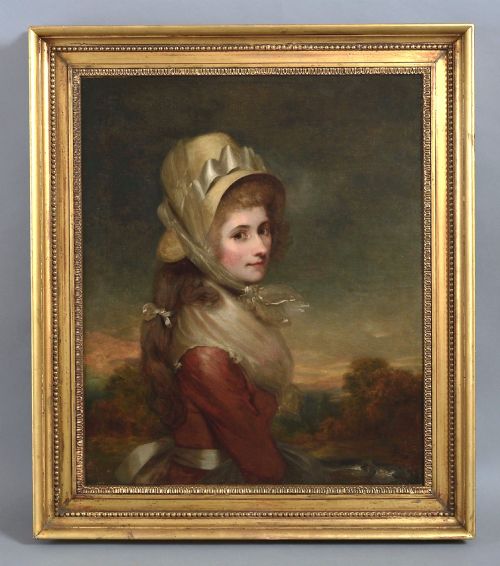
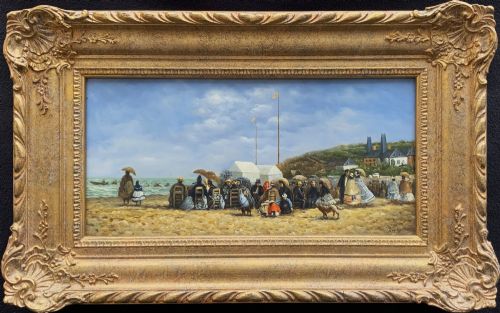
A gold gilded frame painting brings together historic canvases and panels enclosed in ornamental metallic surrounds, spanning periods from the seventeenth century through to the mid-twentieth century.
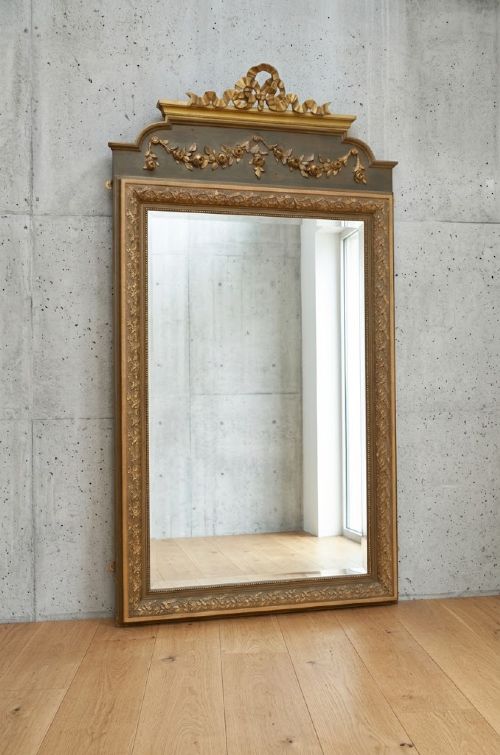
Buyers encountering this phrase most frequently meet nineteenth-century oil paintings, eighteenth-century portraits, and decorative wall mirrors sharing similar gilt treatments.
The objects originate from diverse traditions, including British portraiture, Dutch floral still lifes, and French post-impressionist scenes, each retaining distinct framing characteristics.
Materials and construction
Makers built the structural housings from seasoned wood such as oak or pine, shaping the profiles through carving or built-up layers of gesso.
Artisans applied thin sheets of gold leaf or gold paint over preparatory grounds, burnishing the metallic surfaces to achieve a luminous finish around the canvas.
Canvases and wooden boards received applications of oil paint or watercolour, secured within the rebated edges of the heavy frames.
Several portraits quietly preserve the likenesses of family pets, dogs, and farmyard animals alongside their human owners.
Assessing craftsmanship
Quality separates through the depth of hand-carved relief work on the wooden mouldings compared to cast plaster ornaments.
The purity and application technique of the gold leaf influence how light reflects across the gilded surface over centuries of ageing.
Pint-for-paint execution in the artwork itself, from fine portraiture to robust landscape brushwork, dictates the overall stature of the piece.
Sir Godfrey Kneller·Charles-Antoine Coypel·Sir Joshua Reynolds·Joseph Clover·Pieter Borsseler
The Gold Gilded Frame Painting Glossary
- Giltwood
- Wood that has been coated with gold leaf or gold paint. This material forms the primary structural and decorative housing for many historic artworks.
- Gesso
- A plaster-like mixture applied to wood frames to create a smooth surface for gilding. Artisans carved intricate decorative motifs directly into this dried compound.
- Oil on Canvas
- Pigment mixed with drying oil applied to a woven fabric support. This combination represents the dominant medium found within these framed works.
- Baroque
- An artistic style characterised by dramatic movement and exuberant ornamentation. Frames and paintings from this movement display grand proportions and theatrical composition.
- Regency
- A British design period spanning the early nineteenth century. Pieces from this era often feature restrained classical lines alongside refined gilt decorations.
Gold Gilded Frame Painting: Frequently Asked Questions
How do I clean a gilded frame?
Dust the ornate mouldings gently with a soft, dry brush to prevent accumulating grime in the crevices. Avoid using liquid cleaners or abrasive cloths that might damage the delicate gold leaf layer.
Maintain stable indoor humidity levels to protect the underlying wood and gesso from expanding or cracking over time. Professional conservation remains advisable for deep restoration work.
Where should I hang these paintings?
Position the artwork on an interior wall away from direct sunlight and strong heat sources. Adequate wall space allows heavy gilded surrounds to project their visual weight effectively.
Ensure secure fixings into solid masonry or wall studs to support the substantial combined weight of the canvas and wooden frame.
How do I identify the period?
Examine the construction methods visible on the reverse of the wooden frame and stretcher bars. Hand-cut joinery and traditional canvas preparation point towards earlier centuries of production.
Compare stylistic details in the painting technique and costume against established historical records. Portrait subjects and clothing fashions often provide reliable dating anchors.
Are these frames original to the art?
Many historic paintings retain their period surrounds, though framing practices frequently evolved as owners updated interiors across centuries. Matching wood ageing and corner construction help determine if frame and canvas travelled together.
Expert examination of rabbet edges and mounting marks reveals whether the artwork has resided continuously within its current enclosure.