


Gold Gilded Chair
A gold gilded chair brings unmistakable French theatre and rich metallic warmth into a room, spanning grand salon armchairs to intimate bedroom seating.
Gold Gilded Chair
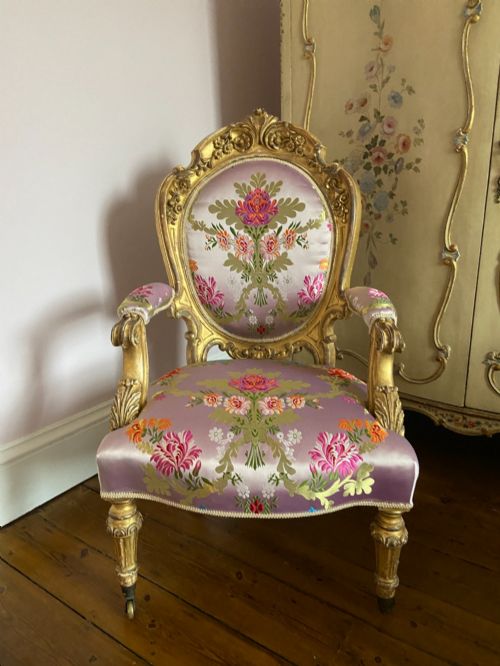
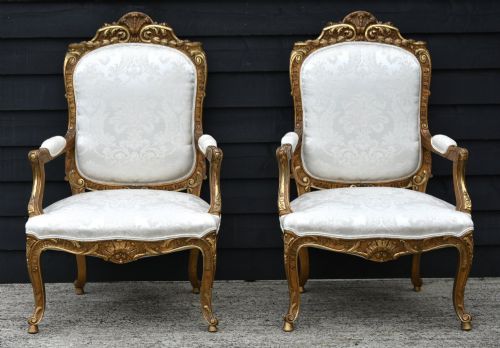
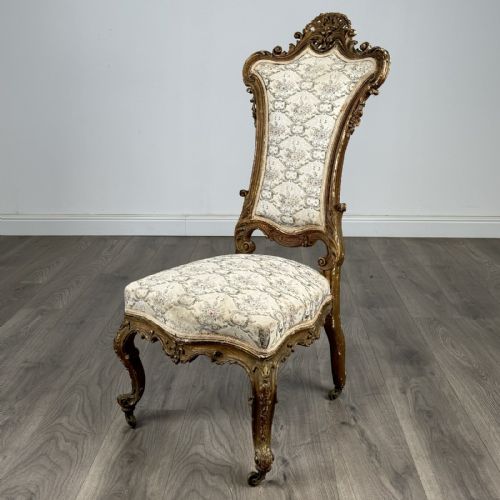
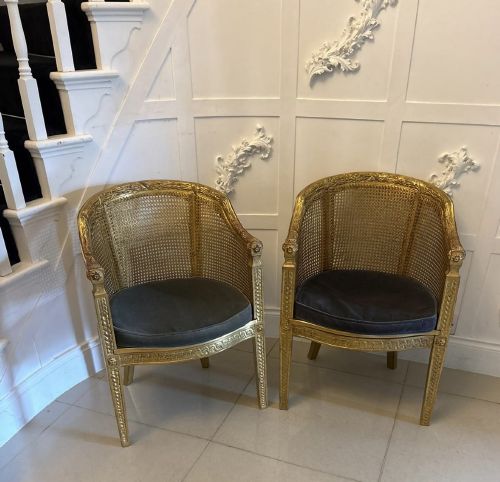
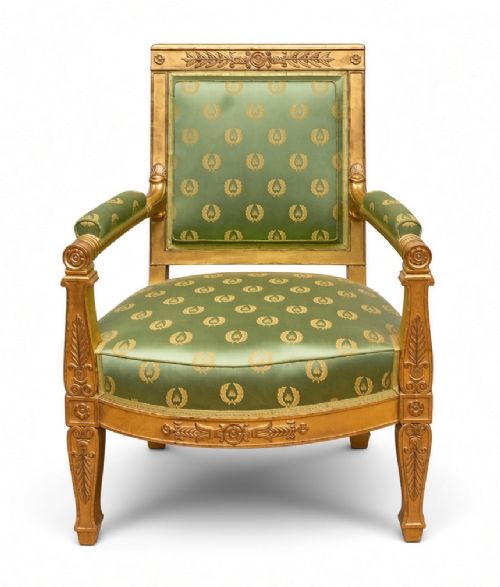
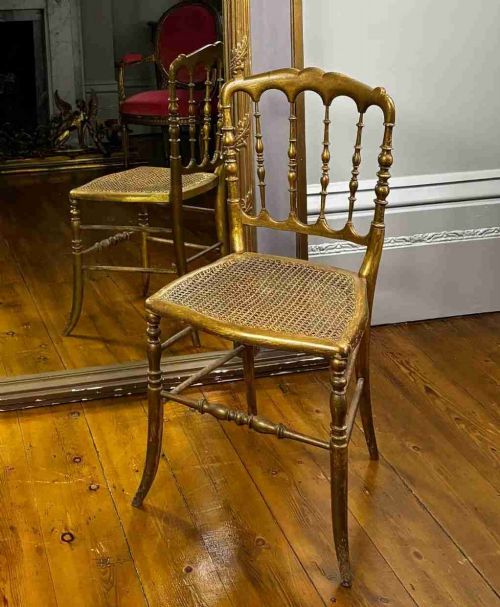
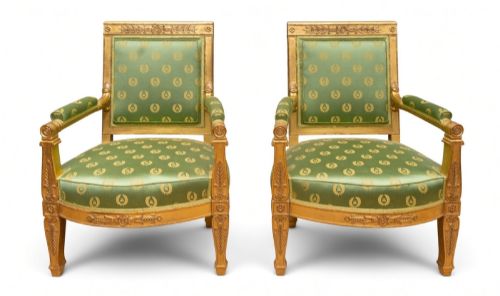
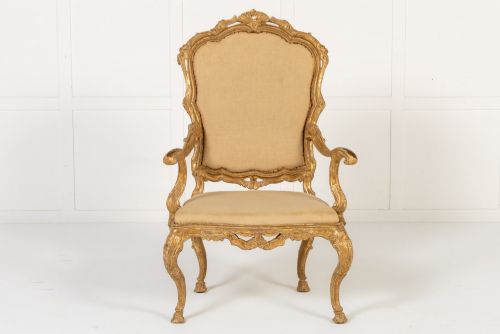
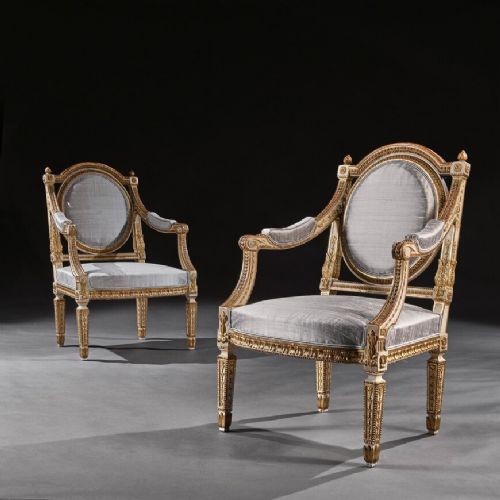
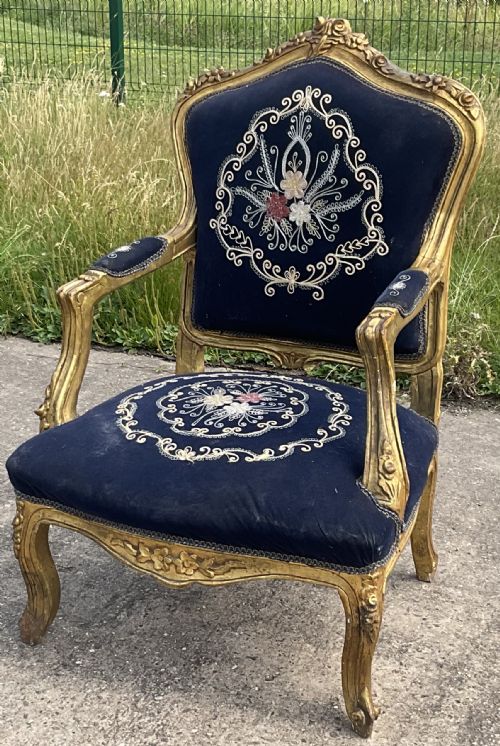
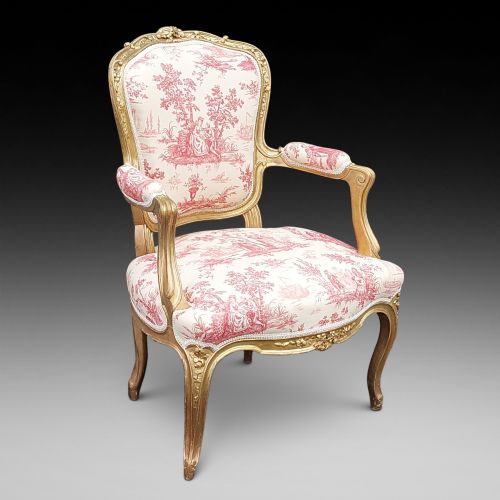
A gold gilded chair primarily takes the form of French-influenced salon seating, armchairs, and side chairs originating from the eighteenth and nineteenth centuries. Buyers encounter revival pieces drawing heavily from Louis XVI, Rococo, and Regency aesthetics alongside authentic period examples.
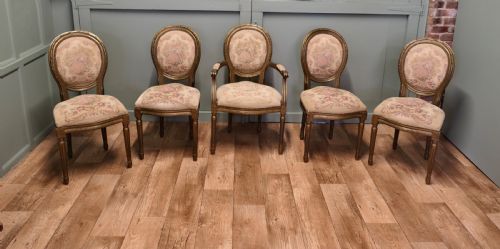
The selection ranges from single occasional chairs and pairs to larger matching dining sets and multi-piece salon suites. These pieces encompass open armchairs, bergères, and compact hall chairs upholstered in silk, velvet, or fabric.
Continental workshops, particularly French and Italian makers, dominate the origin of these gilded seats, though English examples also appear. Forms vary from sturdy dining and hall chairs to ornate fireside armchairs and chaise longues.
Materials and Construction
Carpenters shaped these seats from solid timber foundations, predominantly utilising beech, walnut, and general wood frames for structural integrity. Carved details and cabriole legs required dense hardwoods capable of holding crisp floral and scroll motifs.
The characteristic metallic finish relies on applied gilding over gesso and bole, creating a brilliant reflective surface across the timber. Artisans frequently paired this gilded woodwork with textiles including silk, velvet, damask, and caning.
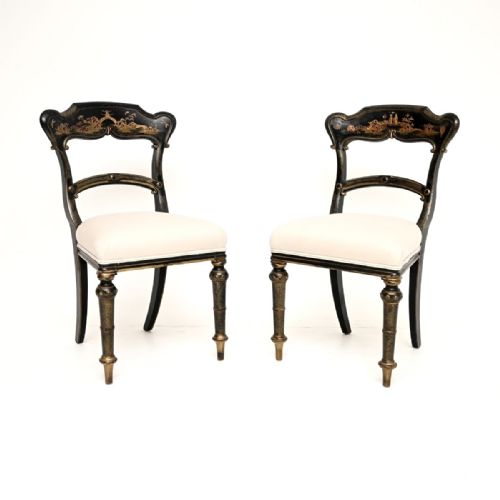
Secondary materials such as brass fittings and painted accents appear on specific neo-classical and Chinoiserie variants. Frames often receive modern re-upholstery while retaining their antique structural woodwork.
Gold Gilded Chair Retail Price Guide 2026
Typical asking prices for gold gilded chair among the pieces listed under this phrase on Sellingantiques today, from the lower quarter to the upper quarter. They describe what is for sale here now, not the wider market.
Child-sized salon chairs allow young nobility to practice their stern diplomatic posture centuries before anyone trusts them with tea.
Craftsmanship and Proportion
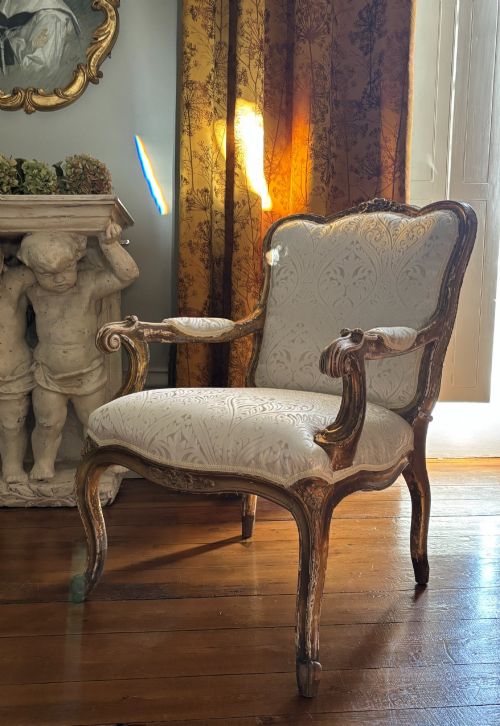
Superior examples display deep, hand-carved wooden relief work on the crest rails and cabriole legs rather than shallow or cast composition ornament. The crispness of the acanthus leaves and scroll arms reveals the hand of a skilled carver.
The integrity of the gilt layer dictates visual success, with finer pieces showing subtle burnishing and natural wear that exposes the warm bole beneath. Thick, modern paint obscures the intricate carving found on better workshop productions.
Proportion and joinery separate masterworks from standard output, ensuring the armchair or side chair balances decorative opulence with structural rigidity. Original upholstery components or faithful silk specifications maintain the historical weight of the piece.
Blaise Maucuy·Jacob Desmalter·Holland and Sons
The Gold Gilded Chair Glossary
- Giltwood
- Timber coated with gold leaf applied over a prepared gesso ground. This technique provides the luminous metallic surface seen on period seating.
- Fauteuil
- An open-arm armchair with upholstered back and seat, possessing exposed wooden arms. These chairs originate primarily from French formal interior design.
- Bergère
- An enclosed armchair featuring upholstered sides filled in with cane or fabric. The design offers substantial comfort and a solid padded frame.
- Caning
- Woven rattan material used to form seats and backs in lighter chair designs. This method provides flexible support while lightening the visual weight of the timber.
Gold Gilded Chair: Frequently Asked Questions
How do I style a gold gilded chair at home?
Place a single armchair as a striking accent piece in a neutral living room to draw the eye. Pair smaller side chairs with a dressing table or use them as supplementary seating in a hallway.
Combine the metallic finish with soft textures like velvet or silk upholstery to balance the visual weight. These chairs anchor traditional interiors and add an unexpected focal point to contemporary spaces.
Are these chairs comfortable for daily sitting?
Many salon and occasional chairs prioritise formal posture and decorative presence over deep lounging comfort. Open armchairs and fireside models with upholstered backs offer more relaxed seating for regular use.
Consider the seat height and arm placement relative to your intended room layout. Adding appropriate cushions can adjust the ergonomics of antique frames for modern living.
How do I identify a Louis XVI style chair?
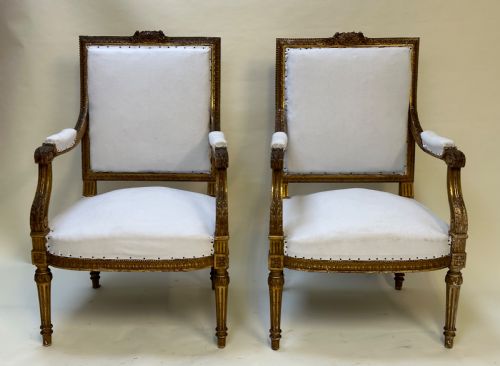
Louis XVI style pieces typically feature clean geometric lines, straight fluted legs, and oval or rectangular backrests. Carved motifs often draw from classical antiquity, including ribbons, urns, and acanthus leaves.
This aesthetic contrasts sharply with the earlier curved asymmetry of Rococo designs. The presence of symmetrical geometry serves as the primary visual indicator.
Can I reupholster a vintage gilded chair?
Reupholstering these frames is a common practice to refresh worn fabric or match modern interior schemes. Traditional webbing, springs, and stuffing techniques should be preserved during the process to maintain authenticity.
Select textiles such as silk damask, velvet, or plain silk that complement the historical period of the woodwork. Professional upholstery ensures the delicate gilt frame remains undamaged.