



Gold Gilded Box
A gold gilded box brings warmth and reflective light to a room, offering a tactile home for small treasures.
Gold Gilded Box
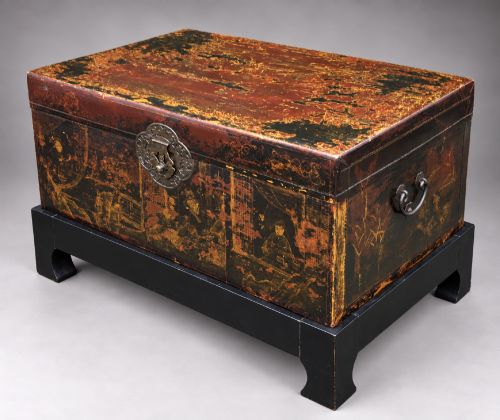
A gold gilded box encompasses everything from small pocket snuff containers to large lacquer blanket chests and carved caskets. When searching for a gold gilded box, you encounter pieces spanning multiple centuries, shaped by distinct regional traditions and decorative movements.
Origins stretch across European workshops, including English, French, and Italian examples, alongside Asian export pieces from China and Japan. These items served functional storage roles for valuables, letters, or cosmetics, evolving into decorative objects over time.
How they were made
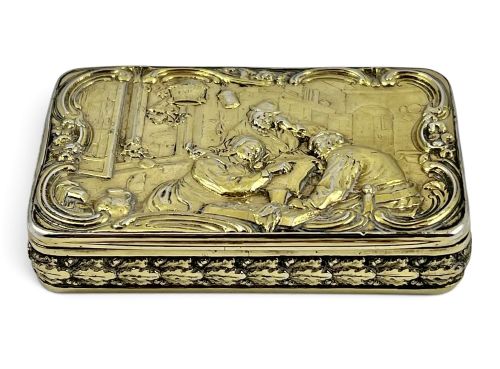
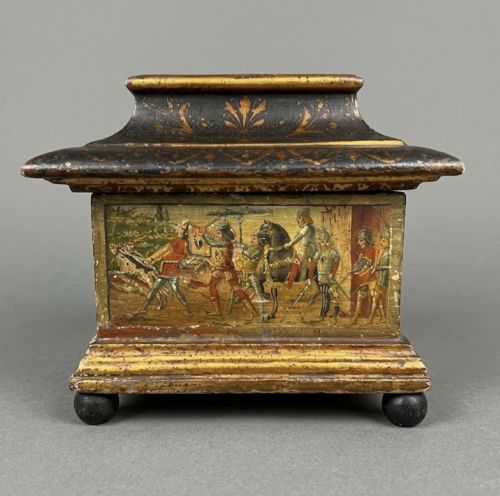
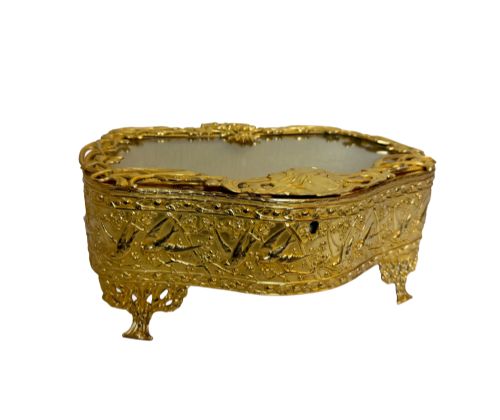
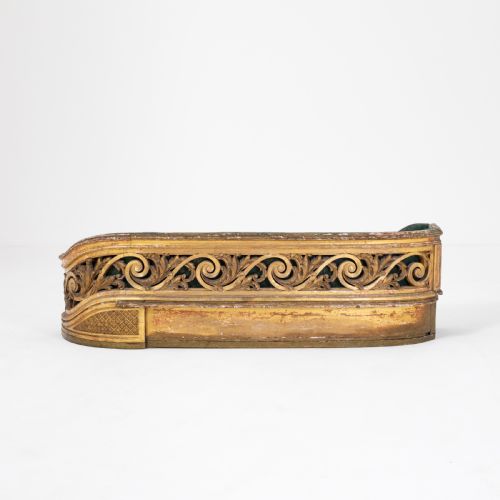
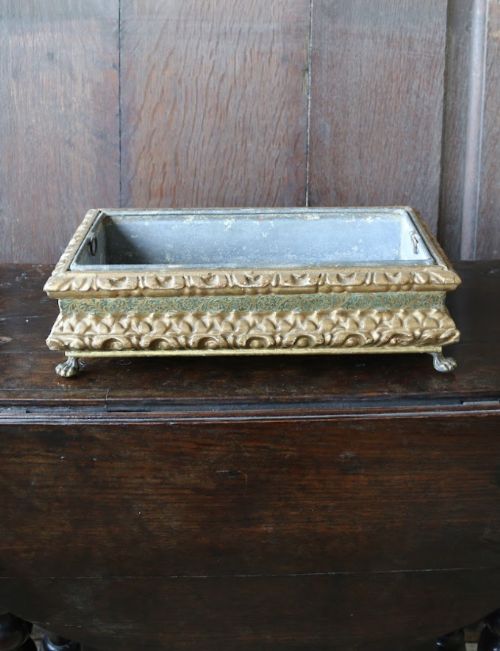
Makers applied gold leaf, gilt bronze, or vermeil to surfaces of wood, copper, silver, and leather using traditional methods. Carved wooden frames received layers of gesso before gilding, while metal items utilised fire gilding or electro-forming techniques.
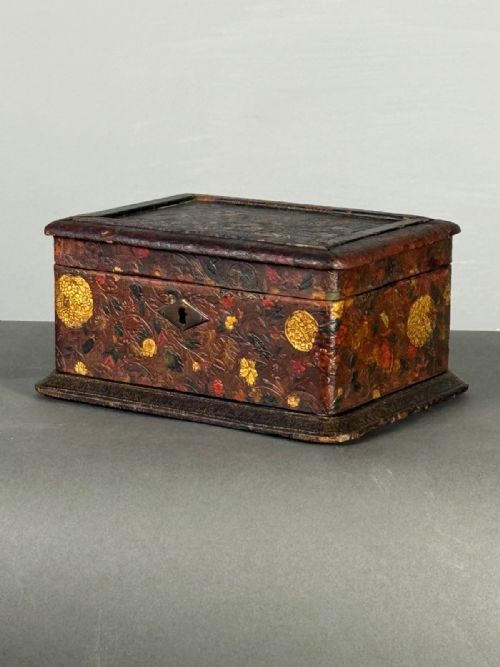
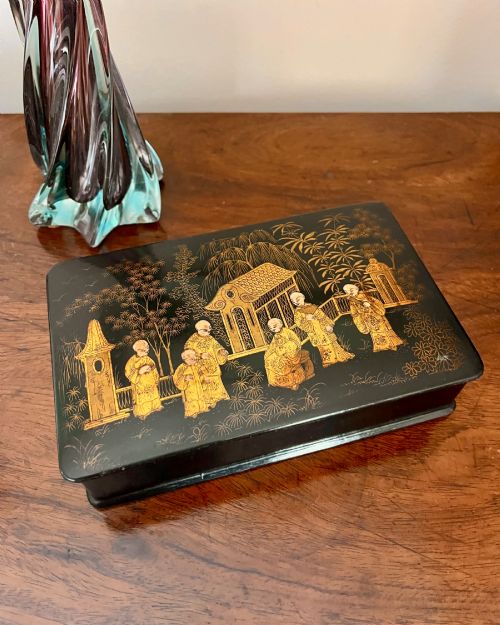
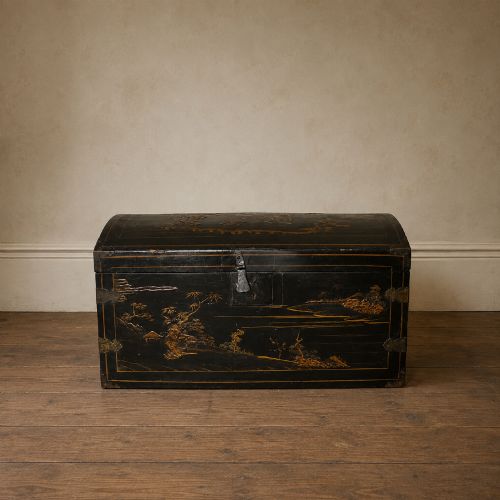
Lacquered boxes from Asian export workshops involved multiple layers of sap applied to a wood base, cured, and then hand-painted with fine gold decoration. Leather-covered pieces utilised embossed polychrome designs paired with gold leaf highlights to achieve rich surface textures.
Gold Gilded Box Retail Price Guide 2026
Typical asking prices for gold gilded box among the pieces listed under this phrase on Sellingantiques today, from the lower quarter to the upper quarter. They describe what is for sale here now, not the wider market.
A tiny gilt vinaigrette sits ready to hold a sweet-smelling sponge for clearing the air of nineteenth-century streets.
What varies in quality
Quality rests in the crispness of the carving, the purity of the metalwork, and the preservation of the original gilded surface. Pieces executed with hand-engraved details or deeply carved giltwood display a higher standard of craftsmanship than simpler moulded versions.
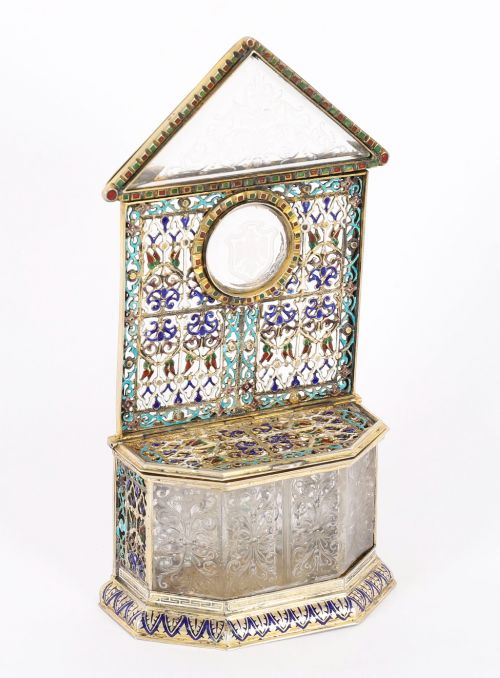
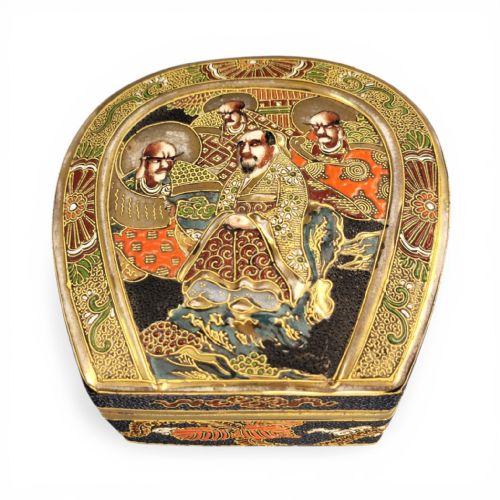
The integrity of the lacquer, enamel, or Limoges miniature panels dictates the overall appeal of a piece. Finer examples maintain intact gilding with minimal rubbing, retaining the depth and luminosity intended by the original maker.
Rudolf Linke·Susse Freres·Toshozan
The Gold Gilded Box Glossary
- Gilt
- A thin layer of gold applied to the surface of another material such as wood, bronze, or silver. This technique provides the rich appearance of solid gold while utilising a more accessible base substrate.
- Chinoiserie
- A European artistic style reflecting Chinese aesthetic influences, popular in furniture and decorative objects. It frequently incorporates lacquered surfaces and intricate gold painted motifs.
- Vermeil
- Sterling silver that has been plated with a thin layer of gold. This combination offers the durability of silver alongside a warm golden finish.
- Ormolu
- Gilt bronze ornamentation applied to furniture, clocks, and decorative boxes. French makers utilised this technique extensively during the eighteenth and nineteenth centuries.
Gold Gilded Box: Frequently Asked Questions
What is a gold gilded box used for?
These boxes served practical roles for storing jewellery, snuff, tea, or letters in domestic spaces. Owners kept them on desks, dressing tables, or in reception rooms.
Over time, their decorative qualities surpassed their storage utility, making them display items in their own right. Smaller versions fit easily into modern interiors for holding rings and keepsakes.
How do I care for a gilded surface?
Gilded surfaces require gentle handling to preserve the thin layer of gold leaf or metal plating. Dusting with a soft, dry cloth prevents the accumulation of dirt without abrasion.
Keep these items away from direct sunlight, excessive moisture, and heat sources. Avoid chemical cleaners entirely, as they strip the historical finish.
How can I tell the period of a box?
Dating relies on observing the construction methods, secondary woods, hinge types, and decorative motifs. Stylistic markers such as Art Nouveau curves or Georgian proportions offer primary clues.
Maker marks, hallmarks on silver components, and specific lacquer techniques further narrow down the decade of production. Comparing hardware styles across centuries establishes a firm chronological baseline.
Where were these decorative boxes made?
Workshop origins span across Britain, France, Italy, Germany, and Austria, reflecting distinct regional tastes. French pieces often feature ormolu and Limoges elements, while Italian examples lean toward carved giltwood.
Asian export pieces originated in China and Japan, combining local lacquer traditions with designs tailored for Western markets. This global exchange created diverse stylistic interpretations.