





Chinese Decorative Box
A chinese decorative box brings centuries of refined craftsmanship into the room, offering both practical storage and striking visual interest.
Chinese Decorative Box
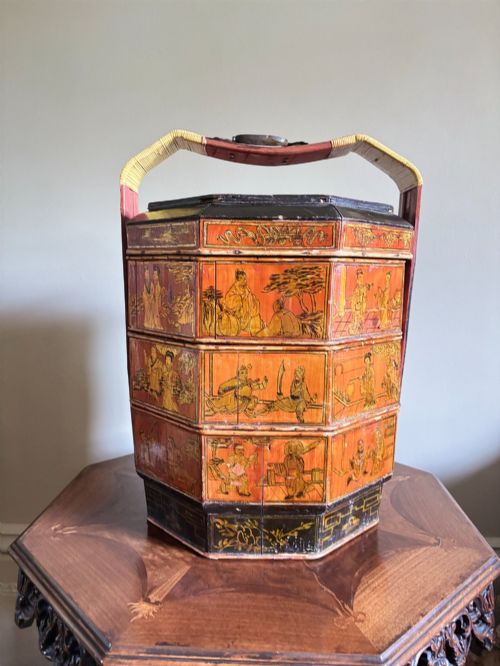
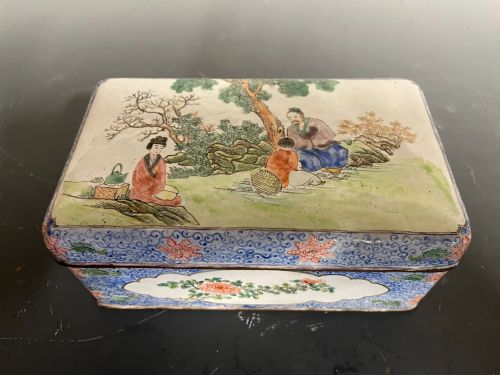
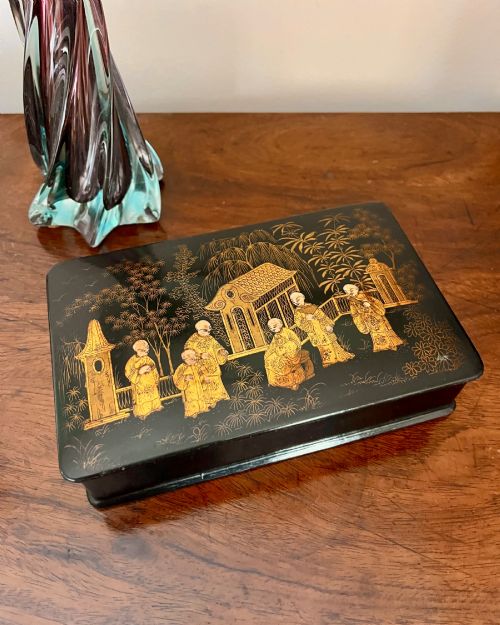
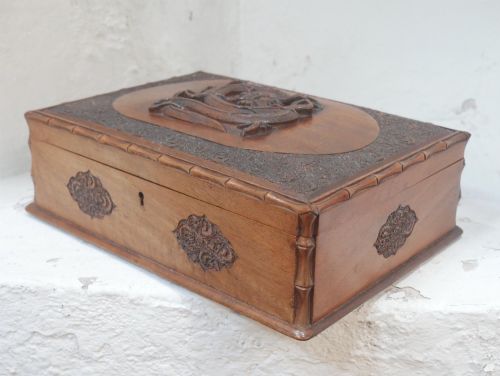
A chinese decorative box spans a fascinating variety of forms, from small snuff boxes and writing caskets to larger storage chests and table cabinets. When exploring these pieces, buyers encounter diverse expressions of craftsmanship that range from intricate table cabinets to delicate keepsake cases.
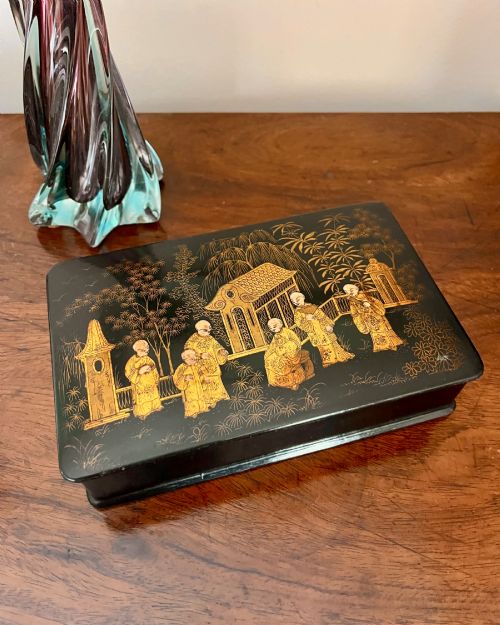
The materials and styles reflect a rich history of trade and domestic use, encompassing items from the Qing Dynasty, Chinese Export pieces, and Chinoiserie interpretations. Examples include rosewood writing boxes, lacquered containers, and wedding boxes originating across the nineteenth and early twentieth centuries.
Makers utilised traditional techniques suited to each specific form, producing items designed to safeguard precious objects, documents, or writing materials. These vessels served both utilitarian functions in historical interiors and purely decorative purposes for collectors of Asian antiques.
How They Were Made
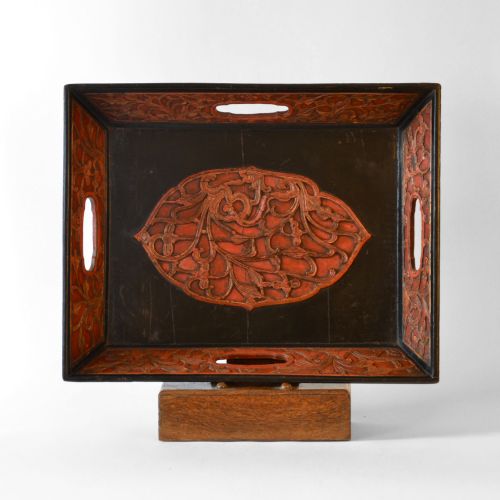
Artisans constructed these boxes using dense timbers such as rosewood and hardwood, often incorporating brass mounts for structural strength and visual contrast. Surface decoration frequently involved layers of red lacquer or detailed mother of pearl inlay set directly into the wood.
Joinery and inlay techniques required high levels of specialised skill, particularly when applying delicate shell or metalwork to curved or flat surfaces. The application of multiple lacquer coats demanded careful drying and polishing between stages to achieve a smooth, durable finish.
Chinese Decorative Box Retail Price Guide 2026
Typical asking prices for chinese decorative box among the pieces listed under this phrase on Sellingantiques today, from the lower quarter to the upper quarter. They describe what is for sale here now, not the wider market.
Listings feature items spanning the eighteenth century through to the 1950s, utilising materials including brass, gilt, and rosewood.
What Varies in Quality
The refinement of the surface decoration largely separates standard examples from exceptional ones, particularly in the depth and precision of lacquer carving or inlay work. Superior pieces display meticulous alignment in mother of pearl motifs and crisp execution in gilt detailing.
Selection of materials plays a significant role, with dense hardwoods like rosewood and huanghuali representing higher tiers of craftsmanship compared to simpler secondary timbers. The integrity of the internal compartments and the quality of brass hinges or locks further distinguish superior items.
The Chinese Decorative Box Glossary
- Lacquer
- A durable finish applied in multiple layers to a wooden substrate, often carved or decorated with gold and pigments.
- Mother of pearl
- Iridescent inner shell material used extensively for inlay work to create floral or geometric patterns.
- Chinoiserie
- European decorative style reflecting Chinese artistic influences, prevalent in furniture and decorative objects.
- Qing Dynasty
- The final imperial dynasty of China, spanning from the seventeenth to the early twentieth century, noted for diverse decorative arts.
- Chinese Export
- Goods manufactured in China specifically for Western markets, blending Eastern techniques with European forms.
Chinese Decorative Box: Frequently Asked Questions
What were Chinese decorative boxes used for?
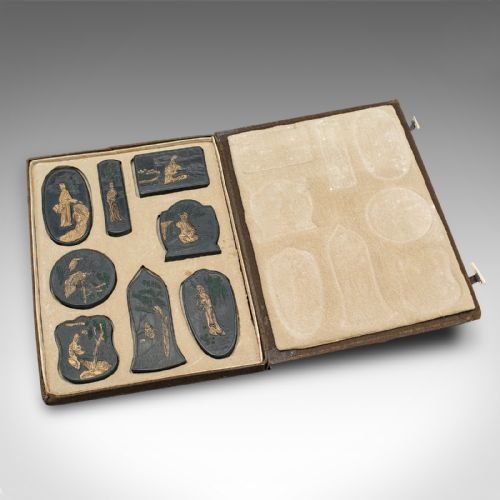
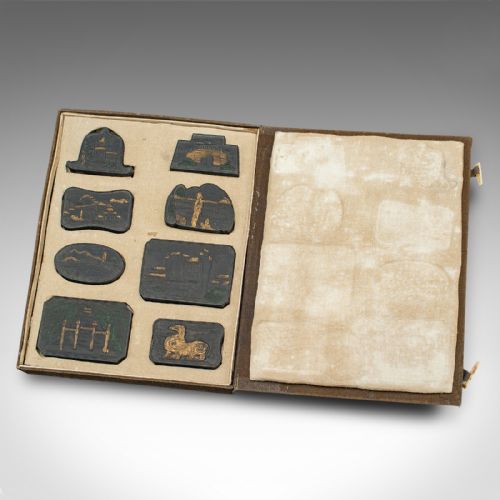
These boxes served multiple domestic and ceremonial functions, holding personal documents, writing implements, precious trinkets, or specialised items like ink blocks and snuff.
Larger variants, such as wedding boxes, were used during traditional ceremonies to transport gifts or food items between families.
How do I identify a Qing Dynasty box?
Identification relies on observing traditional construction methods, specific material choices such as cinnabar lacquer or hardwood, and characteristic decorative motifs.
Comparing the stylistic elements and ageing patterns against known period examples helps confirm the approximate era of manufacture.
What is Chinese Export style?
This style describes items produced in China by local craftsmen specifically tailored to suit the tastes and functional requirements of Western buyers.
These pieces often combine traditional Eastern materials and decorative techniques with European cabinet forms.
How should I care for antique lacquer?
Antique lacquer requires stable environmental conditions away from direct sunlight and extreme humidity fluctuations to prevent cracking or fading.
Gentle dusting with a soft, dry cloth is usually sufficient for routine maintenance without the need for commercial polishes.